Nature’s Recyclers

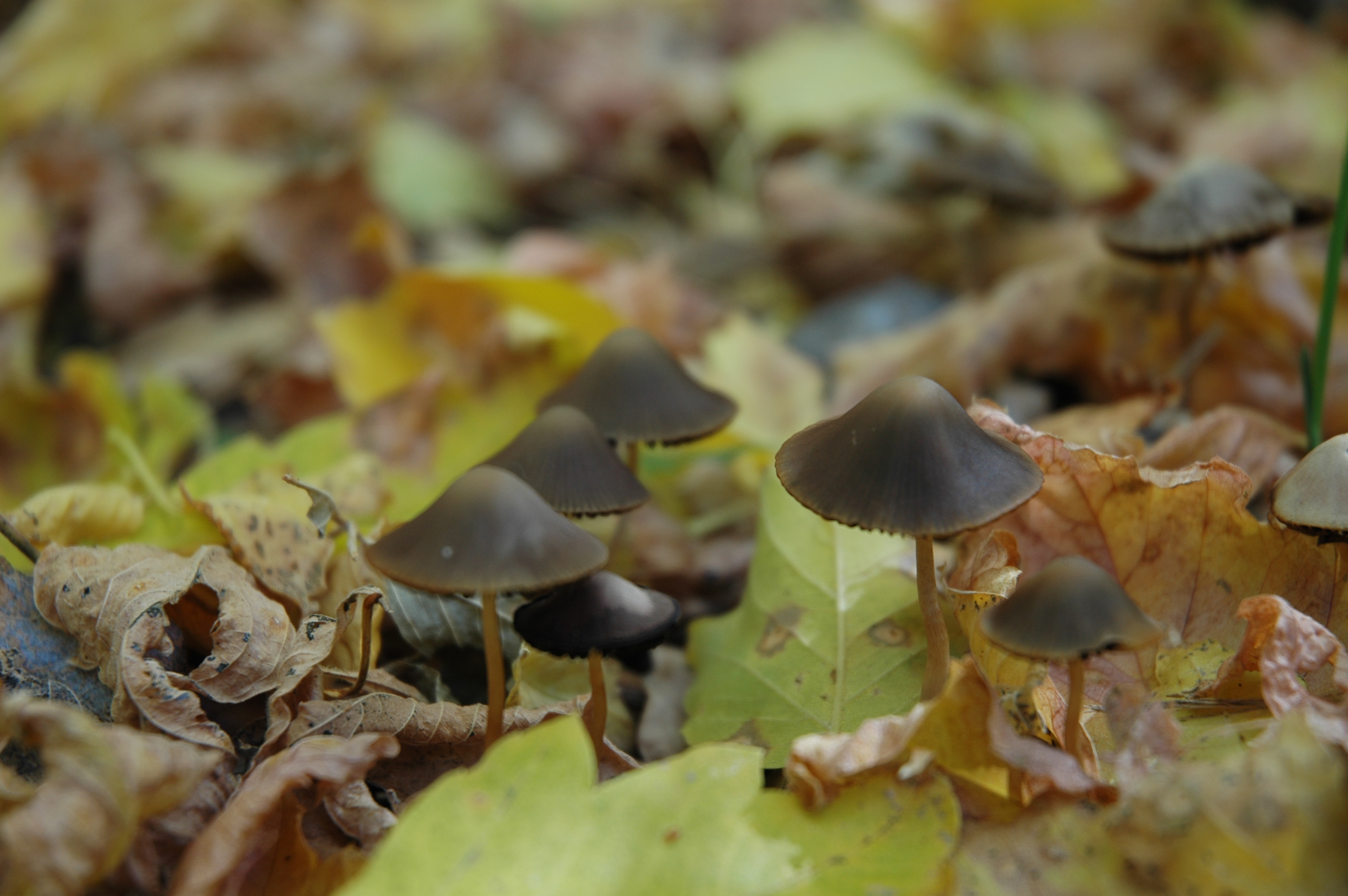
Fungi Decomposing Fall
Leaves Outside the
Stokes Nature Center
Courtesy & © 2011 Andrea Liberatore
Stokes Nature Center


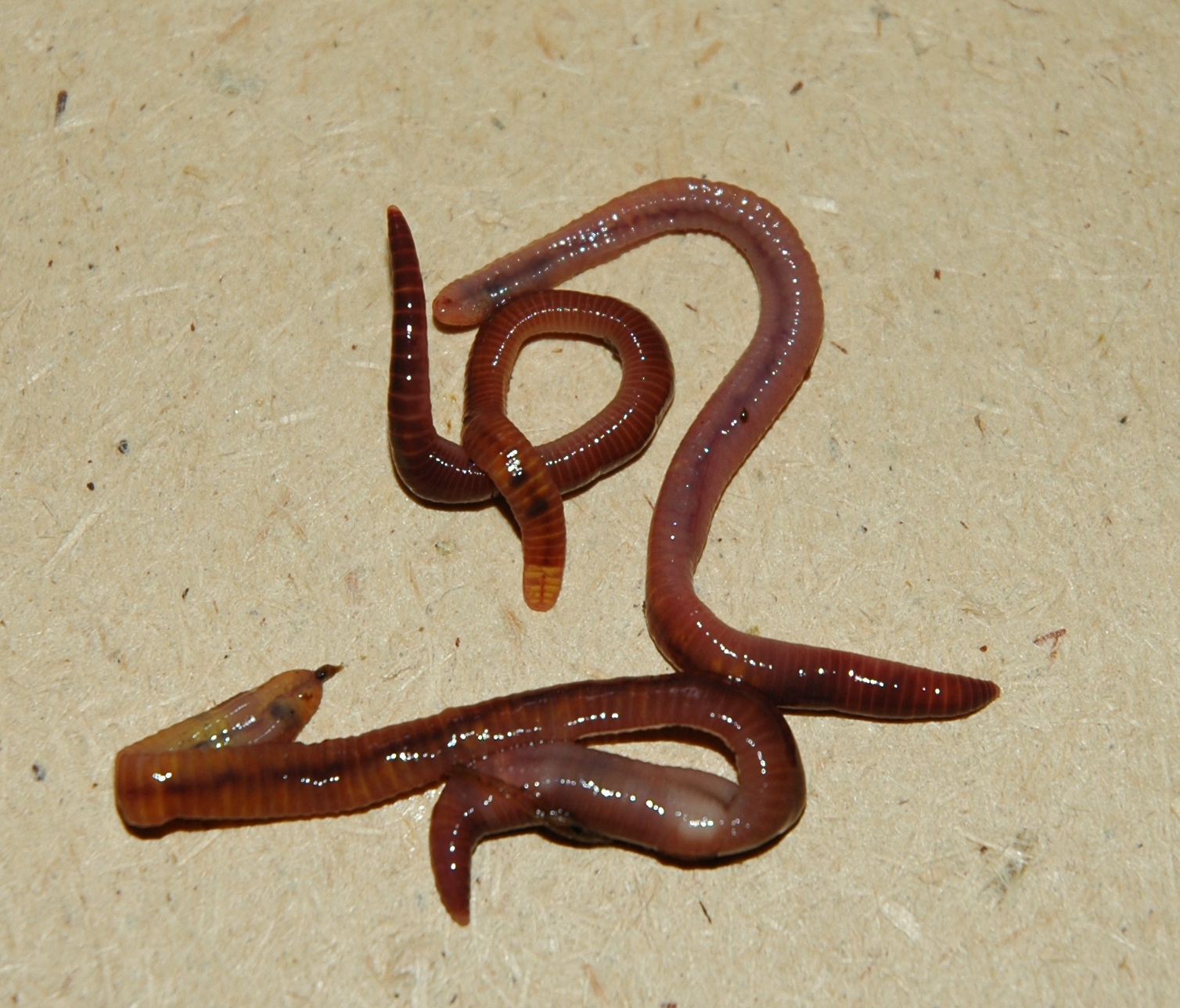
Redworms Eisenia fetida
from Stokes Nature Center’s
vermicomposting system
Courtesy & © 2011 Andrea Liberatore
Stokes Nature Center

On Tuesday, November 15th, our nation celebrates America Recycles Day. While the day itself tends to focus on human recycling activity, I thought we should also give a nod to nature’s recyclers. Worms, maggots, fungi, beetles, and bacteria – it sounds like a list of leftover Halloween horrors. But in reality, we should be more afraid of what our world would look like without these creepy-crawlies, for these are nature’s recyclers. Scientists call these organisms saprophytes, and as important as their role in life is, they are more likely to evoke a shudder than any feeling of gratitude.

What decomposers actually do is break dead things down into smaller and smaller pieces, until all that is left are the basic molecular components that make up all living things such as nitrogen, phosphorous, carbon, and potassium. Once broken down, this material is then free to be taken up again by plants and animals that use them to live and grow. This cycle of nutrients is vital to life on Earth, and our saprophytic friends make it all possible.

While decomposition would occur even without the help of the decomposers, it would take much, much longer. In some landfills, newspapers have been unearthed that are more than 20 years old, and still quite readable. This is because landfills often create anaerobic environments, where oxygen-loving insects, fungi, and bacteria cannot live and therefore cannot aid decomposition. If without decomposers, a newspaper can last 20 years, what would happen to much larger and hardier items such as tree trunks and roadkill? I shudder to think about it.

Did you know that the U.S. throws more than 33 million tons of food waste into landfills each year? This organic material goes to waste there – taking up valuable space and taking longer than normal break down. So this year, celebrate America Recycles Day by employing some of nature’s recyclers in your yard. Consider starting a compost pile where your fall leaves and food scraps can get broken down into nutrient-rich all-natural fertilizer for next year’s garden.

If you’re in Cache Valley and are looking for a way to mark America Recycles Day, please join the Stokes Nature Center for a tour of the Logan landfill to find out what happens to your garbage and how recycling programs ensure there is less of it. This free tour will be held at 4:30pm on Tuesday, November 15th. For details, visit the Stokes Nature Center website at www.logannature.org.

For composting tips and more information about nature’s recyclers, visit Wild About Utah online at www.wildaboututah.org. Thank you to the Rocky Mountain Power Foundation for the research and development of this Wild About Utah topic. For the Stokes Nature Center and Wild About Utah, this is Andrea Liberatore.

For the Stokes Nature Center and Wild About Utah, this is Andrea Liberatore.

Credits:

Photos: Courtesy & © 2011 Andrea Liberatore, https://logannature.org/
Text:    Andrea Liberatore, Stokes Nature Center, logannature.org

Composting Tips & Information:

Farrell-Poe, K. and Koenig, R. (2010) Backyard Composting in Utah. Utah State University Cooperative Extension. https://extension.usu.edu/files/publications/factsheet/HG-Compost-01.pdf

U.S. Environmental Protection Agency: Composting. https://www.epa.gov/epawaste/conserve/rrr/composting/index.htm

Additional Reading:

Fogel, R. (2002) Waste Not, Want Not: Fungi as Decomposers. Utah State University Herbarium. https://utahpests.usu.edu/ipm/ornamental-pest-guide/diseases/wood-decay-fungi

Hoff, M. (2009) Young Naturalists: Nature’s Recyclers. Minnesota Conservation Volunteer Newsletter. July-August 2009. https://files.dnr.state.mn.us/publications/volunteer/young_naturalists/natures_recyclers/natures_recyclers.pdf

U.S. Environmental Protection Agency (2011) Basic Information About Food Waste. https://www.epa.gov/osw/conserve/materials/organics/food/fd-basic.htm

Lewis and Clark’s Taxonomic Legacy

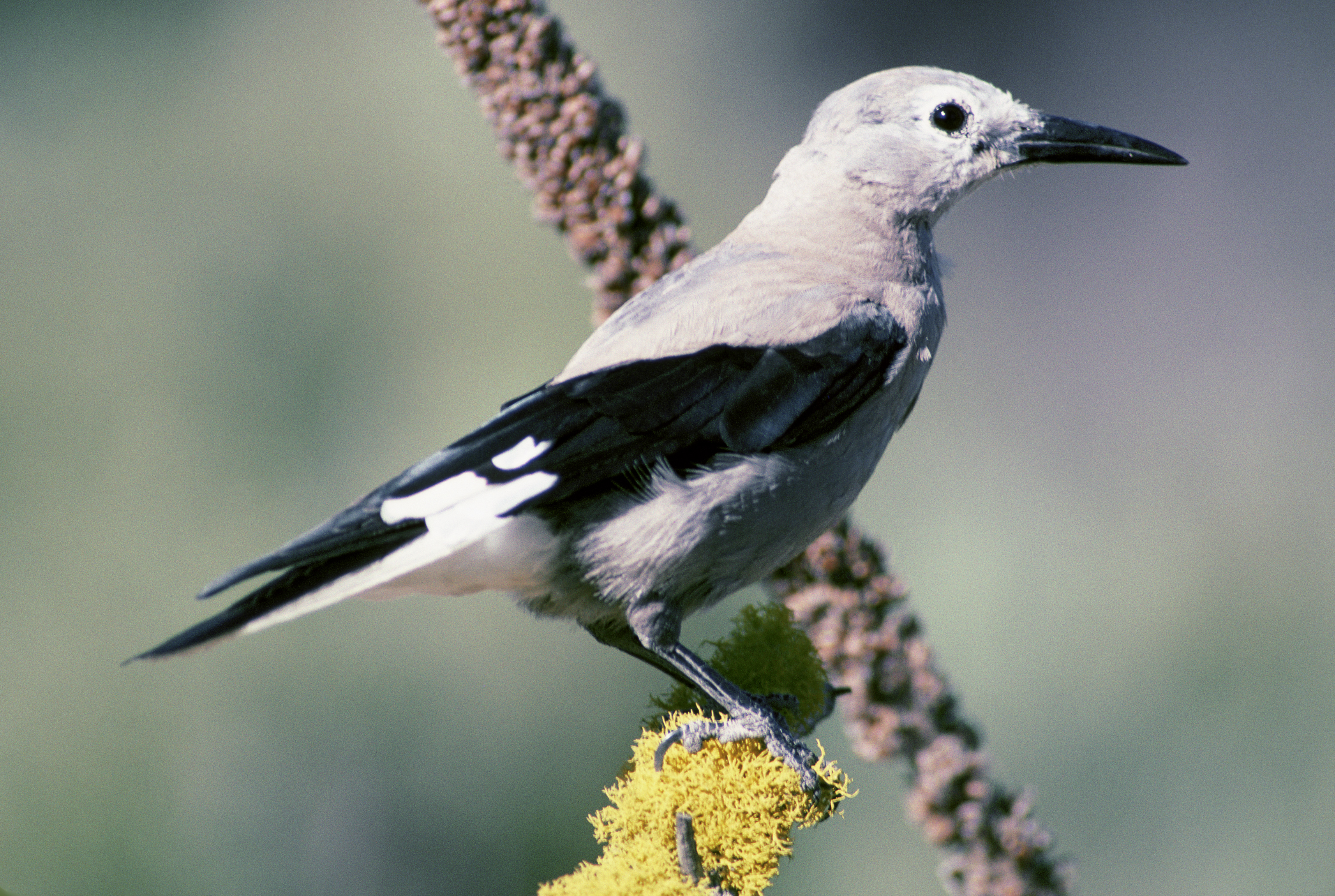
Clark’s Nutcracker
Courtesy US FWS
Dave Menke, Photographer

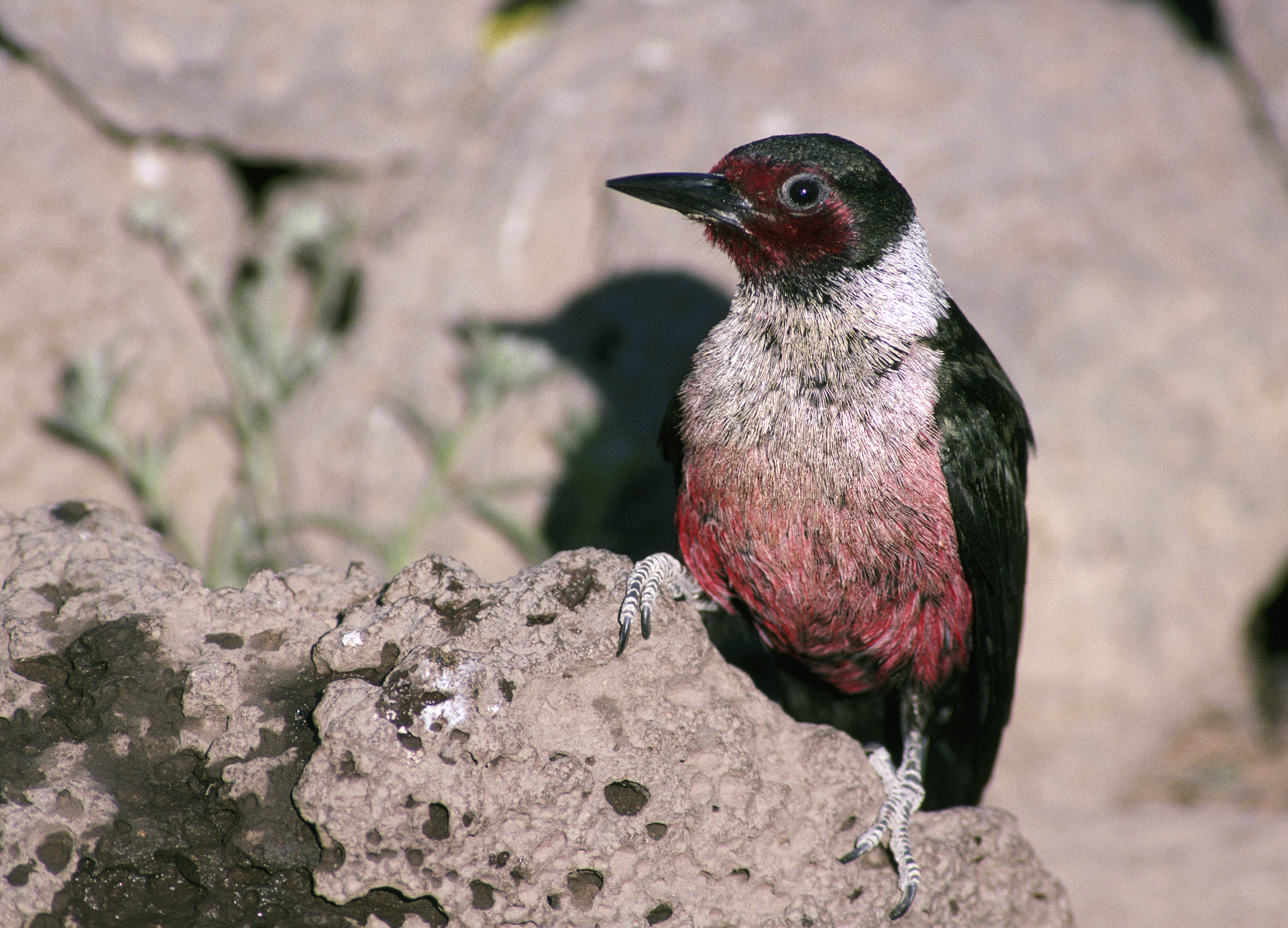
Lewis’s Woodpecker
Courtesy US FWS
Dave Menke, Photographer

Thomas Jefferson will forever be remembered as our third president and author of the Declaration of Independence. Jefferson oversaw the acquisition of the vast Louisiana Purchase and soon thereafter initiated planning for an expedition that would be named the “Corps of Discovery”. That bold adventure was led by Meriwether Lewis and William Clark. These two frontiersmen are immortalized by the plants and animals that taxonomists named in their honor.

The arduous 3-year expedition route passed far north of what would become Utah, ascending the tributaries of the Missouri River and later following down the Columbia River to the Pacific Ocean. Jefferson, being an avid naturalist, instructed the explorers to observe and make record of the geography, plants and animals that they encountered and to return with those specimens which they could carry. Hopes for discovery of a navigable inland passage to the Pacific were not realized, but in all other ways, the expedition was a singular success.

Lewis and Clark made collections of pressed plants along the way. These eventually went to Frederick Pursh, a German botanist in Philadelphia. One new genus of plant he named Lewisia. These are the bitteroots, one of which is the spectacular state flower of Montana. Another genus new to science he named Clarkia . Many species names of plants immortalize the men too, such as the blue-flowered flax, Linum lewisii, commonly used today for seeding following wildfire.

Bird names honoring the discoveries of Lewis and Clark include Clark’s nutcracker and Lewis’ woodpecker. Clark’s nutcracker is a big black and gray relative of crows. [https://wildstore.wildsanctuary.com/collections/special-collections, https://wildstore.wildsanctuary.com/collections/special-collections] This noisy resident of Utah’s mountains is notable for its habit of caching seeds of pine trees to be remembered and found months later.

The age of the pioneer naturalist in North America closed more than a century ago, but the names of men like Meriwether Lewis and William Clark live on with the plants and animals that bear their names.

This is Linda Kervin for Bridgerland Audubon Society.

Credits:

Images: Courtesy US FWS images.fws.gov
Audio: Courtesy & Copyright https://wildstore.wildsanctuary.com/collections/special-collections, https://wildstore.wildsanctuary.com/collections/special-collections
Text: Jim Cane, Bridgerland Audubon Society

Additional Reading:

The Lewis and Clark Herbarium, Images of the Plants Collected by Meriwether Lewis and William Clark, 1804-1806, Presented by the University of Maryland and The Academy of Natural Sciences in Philadelphia in cooperation with Cornell University, https://www.plantsystematics.org/reveal/pbio/LnC/LnCpublic.html

Evans, Howard Ensign. 1993. Pioneer naturalists: the discovery and naming of North American plants and animals. Henry Holt & Company, New York. Illustrated by Michael G. Kippenhan. ISBN: 0-8050-2337-2, https://www.amazon.com/Pioneer-Naturalists-Discovery-American-Animals/dp/0805023372

And for a thorough treatment of Clark’s nutcracker:

https://en.wikipedia.org/wiki/Clark%27s_Nutcracker

All About Birds, The Cornell Lab of Ornithology:

https://www.allaboutbirds.org/guide/lewiss_woodpecker/id

https://www.allaboutbirds.org/guide/Clarks_Nutcracker/id

Lodgepole Pines

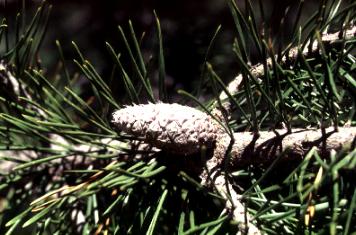
Lodgepole Pine
Pinus contorta
Courtesy & Copyright Michael Kuhns
https://forestry.usu.edu/

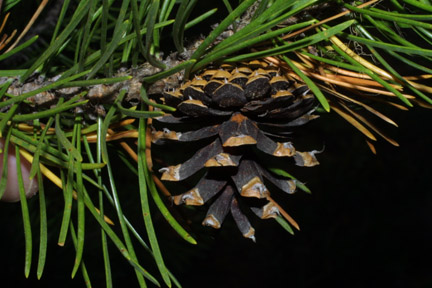
Lodgepole pine cone – open
Copyright © 2005 Steven J. Baskauf
https://bioimages.vanderbilt.edu/

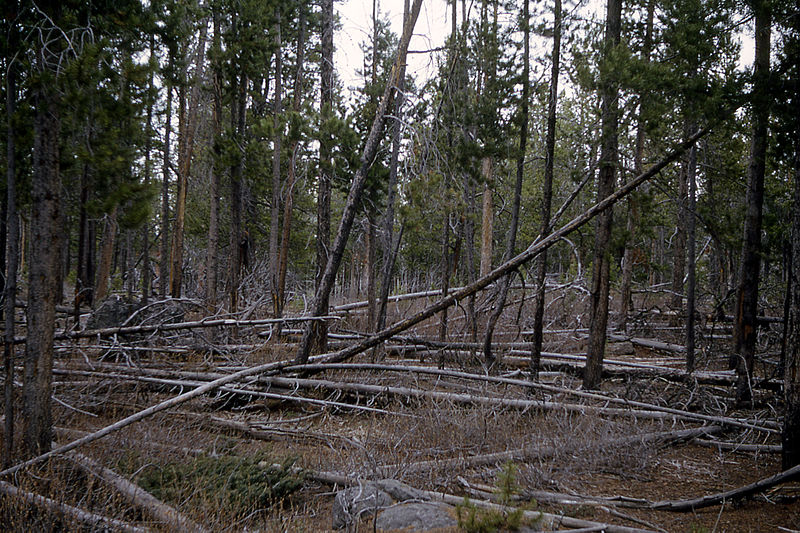
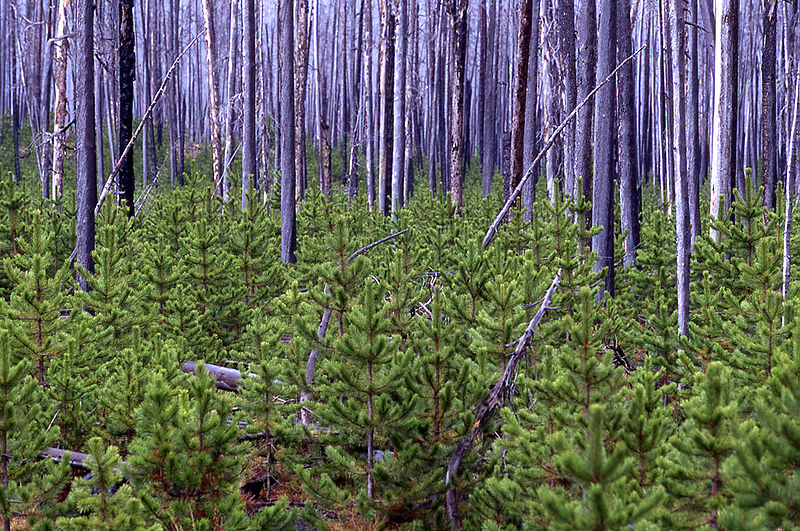
P. contorta subsp. latifoliaforest
23 years before (above) and
10 years after (below) the
Yellowstone fires of 1988
Courtesy US NPS and Wikimedia
1998 Photographer: Jim Peaco

Autumn in Utah’s semi-arid climate typically means the end of a long, dry summer. While reports of forest fires popping up across the state may make us cringe, fire remains an important and natural part of our landscape. And no plant demonstrates that better than the lodgepole pine.

In Utah, these trees are found growing above 6,000 feet – mostly in the northern part of the state. Their tall, straight trunks have been important to humans for centuries as teepee poles, railroad ties and telephone poles.

Lodgepole pines have a number of adaptations that help them thrive in an ecosystem occasionally ravaged by fire. For starters, these trees produce two types of cones. Open, or non-serotinous cones, are fairly typical pine cones. Pollinated in early spring, they mature and the seeds fall during their second autumn. However, these seeds are rarely successful unless they fall in canopy openings. Lodgepole pines grow in very dense stands but their seedlings require copious amounts of sunshine to survive.

In order to combat this conundrum, lodgepole pines also produce another type of cone; called closed or serotinous cones. These cones, and their viable seed, stay on the parent tree for up to 20 years. The scales, which encapsulate the seeds, are sealed shut by a special resin that will only melt when exposed to temperatures between 113 – 140 degrees (F). In nature, the only way those temperatures are reached in the canopy, where cones are produced, is through forest fires.

A fire intense enough to emit that much heat will also kill many adult trees – especially lodgepole pines, which have very thin bark when compared to other evergreen species. However, when many adult trees are killed by fire, the canopy opens and sunlight can easily reach the forest floor where now-available seeds from serotinous cones are ready to germinate and renew the landscape.

Lodgepole pines also produce an enormous quantity of seeds – hundreds of thousands per hectare each year. The trees grow so dense that it can be hard to pick a path through them. As they age, saplings compete fiercely with their neighbors for survival, and many succumb to the pressure. Amazingly, however, this ensures that once a stand is mature, the many dry trunks and branches of the fallen provide adequate fuel to support another blaze, encouraging the next generation to rise and shine.

For sources and pictures of lodgepole pines, please visit our website at www.wildaboututah.org. Thank you to Rocky Mountain Power Foundation for supporting the research and development of this Wild About Utah topic.

For the Stokes Nature Center and Wild About Utah, this is Andrea Liberatore.

Credits:

Photos: Courtesy & © Michael Kuhns, https://forestry.usu.edu/ and
             Courtesy and copyright © 2005 Steven J. Baskauf, https://bioimages.vanderbilt.edu/
             Yellowstone images courtesy USDA Forest Service and Wikimedia.
Text:    Andrea Liberatore, Stokes Nature Center, logannature.org

Additional Reading:

Preston, Richard J. Jr. 1968. Rocky Mountain Trees. Dover Publications Inc. NY, NY.

Lotan, James E. and Critchfield, William B. Lodgepole Pine. U.S. Forest Service manual. Found online at: https://www.na.fs.fed.us/pubs/silvics_manual/volume_1/pinus/contorta.htm

USU Extension (2002) Range Plants of Utah: Lodgepole Pine.
Found online at: https://extension.usu.edu/range/woody/lodgepolepine.htm

Johnson, Carl M. 1991. Common Native Trees of Utah. Utah State University Extension Service. Logan, UT. 109 p

Seed Dispersal

Maple Seeds
Courtesy & Copyright © 2011
Linda Kervin

Milkweed Seeds
Courtesy & Copyright © 2011
Jim Cane

Burdock Flower
Courtesy & Copyright 2009 Jim Cane

Burdock Hooks
Courtesy & Copyright 2009 Jim Cane

Autumn is a season of travelers. Birds migrate south. Deer, elk and antelope move to their wintering grounds. Many plants finish maturing seeds designed for transport to favorable new habitats. Seeds come in a kaleidoscope of shapes and sizes: their structure reveals their means of dispersal.

Many plants rely on the wind to loft their seed to fertile ground. Due to wind’s fickle nature, few of these seeds actually make it to a suitable site, so to compensate they are produced in abundance. Some seeds, like those of dandelion and milkweed, have a downy fluff which floats aloft with the slightest breeze. Others utilize wing-like appendages on the seed capsule, as in maple, ash and pines. The seed is heavier than the blade shaped wing, causing a spiraling motion which propels seeds farther than mere drifting.

Another strategy for seed dispersal is to entice animals to ingest the seed. Some plants like cherries, junipers and grapes do this by imbedding their seeds in a nutritious and tasty pulp. Others, like many grasses, achieve the same end by the placement of the seeds. As grazers consume the foliage, they inadvertently ingest seeds at the same time. Hopefully the seeds end up some distance from the parent plant, deposited in their own dollop of manure to aid seedling growth. Some seeds require a trip through the digestive tract, where the impervious seed coat is eroded away so that the seed can absorb water and germinate. Ants disperse seeds that have a patch of nutritious tissue, the aril, that they gnaw off before discarding the seed.

Another means of dispersal relies on a chance encounter to hitch a ride in an animal’s fur. The seed coat has clinging hooks, hairs or spines that latch onto fur or clothing. Many noxious weeds including burdock, hound’s tongue and cheatgrass use this type of dispersal, so be careful where you groom and dispose of their seed.

Grasses don’t run and pines don’t roam, but plant seeds have many tricks to gain mobility.

This is Linda Kervin for Bridgerland Audubon Society.

Credits:

Images: Courtesy & Copyright Jim Cane &
            Courtesy & Copyright Linda Kervin
Text: Linda Kervin, Bridgerland Audubon Society

Additional Reading:

Seed Dispersal
https://andromeda.cavehill.uwi.edu/Dispersal.htm (archived link)

Wind Dispersal
https://www2.palomar.edu/users/warmstrong/plfeb99.htm

Seed Dispersal by Animals
https://www.cnr.uidaho.edu/range556/…