Gallop Thru Time

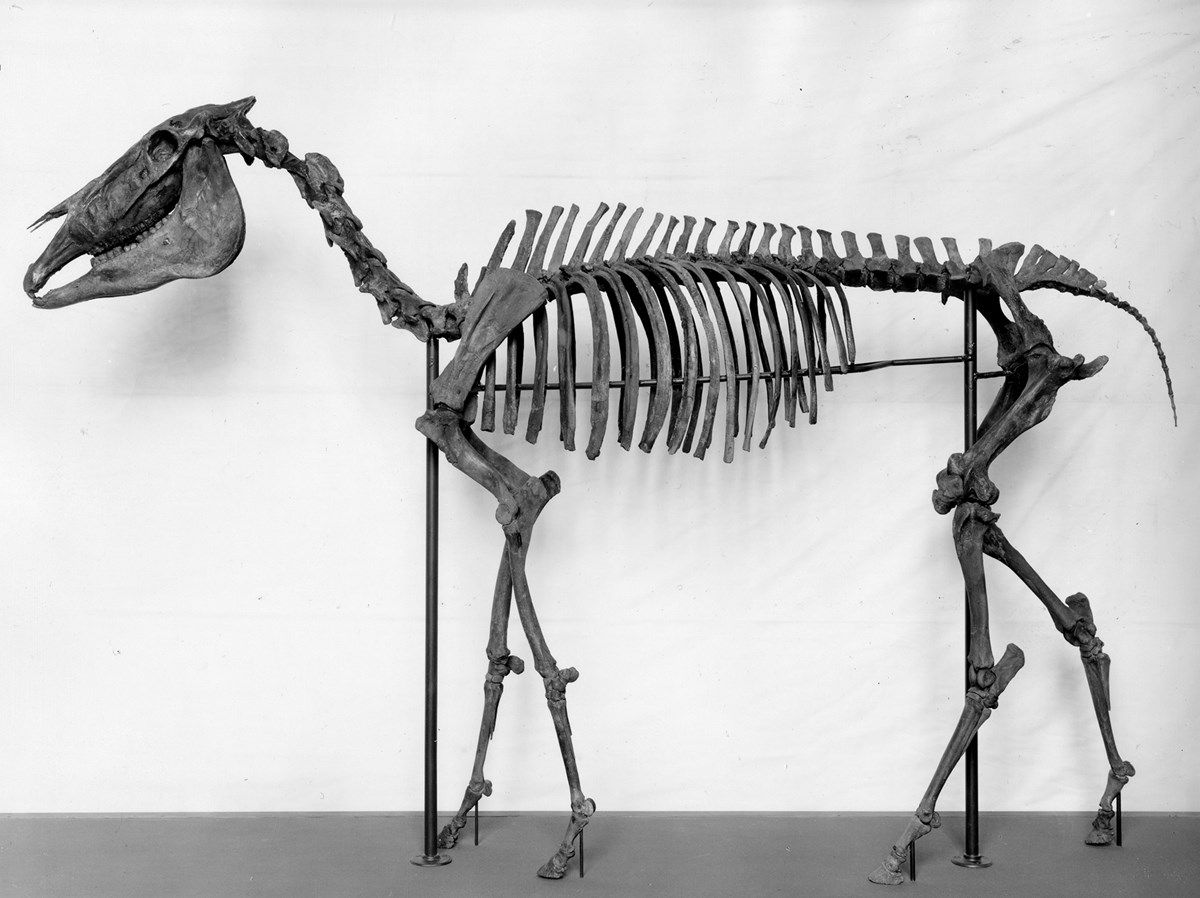
Gallop Thru Time: The Hagerman Horse (Equus simplicidens), Hagerman Fossil Beds National Monument, Courtesy US NPS
The Hagerman Horse (Equus simplicidens), Hagerman Fossil Beds National Monument, Courtesy US NPS

Elmer Cook Recognition Plaque Hagerman Fossil Bed National Monument Courtesy & © Mary Heers, Photographer Elmer Cook Recognition Plaque
Hagerman Fossil Bed National Monument
Courtesy & © Mary Heers, Photographer

Mary Heers' Selfie with the Hagerman Horse Hagerman Fossil Bed National Monument Courtesy & © Mary Heers, Photographer Mary Heers’ Selfie with the Hagerman Horse
Hagerman Fossil Bed National Monument
Courtesy & © Mary Heers, Photographer
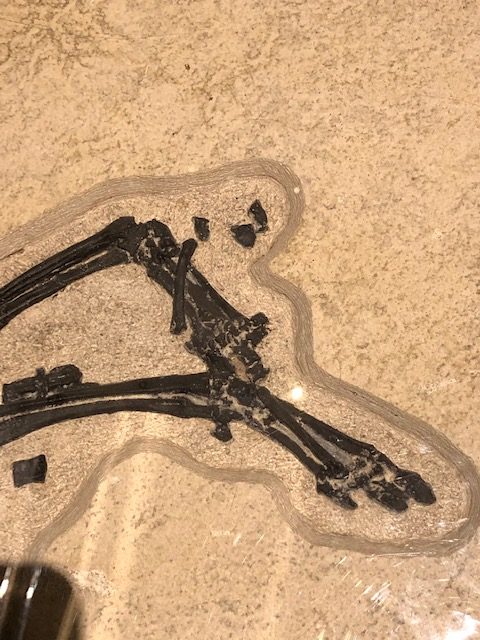
Three Toes on the Kemmerer Horse Utah Museum of Natural History Courtesy & © Mary Heers, Photographer Three Toes on the Kemmerer Horse
Utah Museum of Natural History
Courtesy & © Mary Heers, Photographer

Metacarpal Toe, Hoof Hagerman Horse Equus simplicidens Hagerman Fossil Bed National Monument Courtesy & © Mary Heers, Photographer Metacarpal Toe, Hoof Hagerman Horse
Equus simplicidens
Hagerman Fossil Bed National Monument
Courtesy & © Mary Heers, Photographer

Metacarpal Toe, Hoof Domestic Horse Equus ferus caballus Hagerman Fossil Bed National Monument Courtesy & © Mary Heers, Photographer Metacarpal Toe, Hoof Domestic Horse
Equus ferus caballus
Hagerman Fossil Bed National Monument
Courtesy & © Mary Heers, Photographer
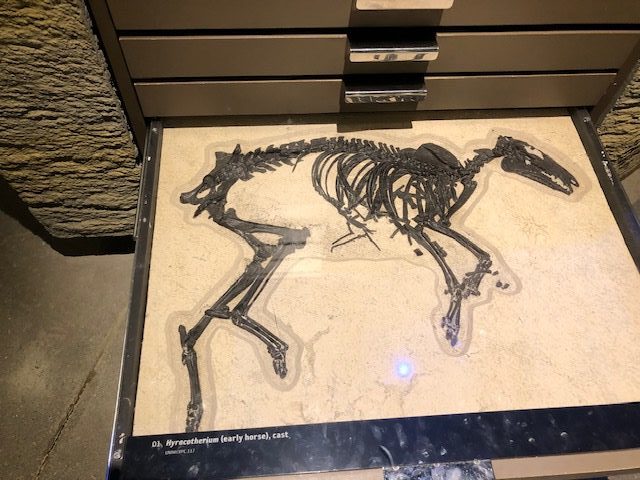
Cast of Kemmerer Early Horse Utah Museum of Natural History Courtesy & © Mary Heers, Photographer Cast of Kemmerer Early Horse
Utah Museum of Natural History
Courtesy & © Mary Heers, Photographer

In 1928 Elmer Cook, a rancher in Hagerman, Idaho, noticed an interesting bone sticking our of the hillside on his land overlooking the Snake River. Intrigued, he started to dig around and discovered it was a fossilized bone and there were plenty more like it. Elmer alerted the National Smithsonian Museum, who sent out a team. This team determined the bones were ancestors of the modern horse. They were 3½ million years old. In the end, after digging into the hillside for 2 years, they took over 200 fossils, including 12 complete horse skeletons, back to Washington D.C.

My own fascination with horse fossils actually began a few years ago when I was giving tours at the Utah Museum of Natural History in Salt Lake City. A fossil hunter near Kemmerer, Wyoming, had been quite surprised to find a small mammal while digging through layers of fossilized fish in an ancient seabed. This skeleton is now also in the Smithsonian Museum in D.C., but the Utah museum owns a copy.

When giving tours, I always paused my group as we entered the dinosaur floor. “I’m going to pull a whole horse out of here,” I’d say as I pulled a sliding drawer out of a chest with a flourish.

It was a fully grown horse about the size of a small dog – 24 inches long and 20 inches high.

It was over 50 million years old. In that time, the Intermountain West was a lush, swampy place. Fierce predators like the Utah Raptor roamed the land, and the mammals that survived were small and stayed hidden in the dense forested undergrowth.

Over the next 50 million years, the dinosaurs went extinct and the terrain dried out The Hagerman Horse (dating back 3 ½ million years ) stood about 4 ½ feet high. Most notably, it now stood on four hooves. The 3 toes on the Kemmerer Horse had evolved into a single dominant toe, perfectly adapted to running away from predators over dry terrain.

Unfortunately, this remarkable adaptation was not enough to save the horse. The horse went extinct in the Americas (along with other large mammals like the mammoth and giant sloth) about 10,000 years ago. It was the Spanish Conquistadors that reintroduced the horse to North America. When Hernan Cortez and his 200 soldiers landed in Mexico in 1519, they brought 16 horses with them. Over time, some of these horses got away to form wild bands, and others fell into the hands of the Native Americans.

This summer I made a small archeological pilgrimage into Idaho, to see the Hagerman Fossil Beds, now a National Monument. In the newly opened visitor center I found a life size replica of the Hagerman Horse. As I stood next to it, admiring its shapely hoof, I remembered one more remarkable fact about the horse. The bows now used to play violins are made from horse hair It takes 5 horse tails to make a violin bow. To this day, absolutely nothing has been found that makes the strings of a violin sing as sweetly.

This is Mary Heers and I am Wild About Utah.

Credits:
Photos: Courtesy & Copyright © Mary Heers
Photos: Courtesy
Featured Audio: Courtesy & Copyright © Kevin Colver, https://wildstore.wildsanctuary.com/collections/special-collections/kevin-colver
Text: Mary Heers, https://cca.usu.edu/files/awards/art-and-mary-heers-citation.pdf
Additional Reading: Lyle Bingham, https://bridgerlandaudubon.org/

Additional Reading

Wild About Utah, Mary Heers’ Wild About Utah Postings

Hagerman Fossil Beds National Monument, History, National Parks Service, US Department of the Interior, https://npshistory.com/publications/hafo/index.htm

The Hagerman Horse (Equus simplicidens), Hagerman Fossil Beds National Monument, National Parks Service, US Department of the Interior, https://www.nps.gov/articles/000/equus_simplicidens.htm

Hagerman Fossil Beds, National Parks Service, US Department of the Interior, https://www.nps.gov/hafo/index.htm

The Horse (Exhibit), Natural History Museum of Utah, July 21, 2014 – January 4, 2015, https://nhmu.utah.edu/horse#:~:text=The%20Natural%20History%20Museum%20of,and%20spiritual%20connections%20with%20them.
Natural History Museum of Utah,https://nhmu.utah.edu/

Fossil Horse Quarry Near Hagerman, Idaho, Worked by National Museum, Smithsonian Libraries and Archives, The Smithsonian Institution, https://www.si.edu/object/fossil-horse-quarry-near-hagerman-idaho-worked-national-museum:siris_arc_367758

Plesippus shoshonensis Gidley, 1930, National Museum of Natural History, The Smithsonian Institution, https://www.si.edu/object/plesippus-shoshonensis-gidley-1930:nmnhpaleobiology_3590445
A Tale of Green Inspirations

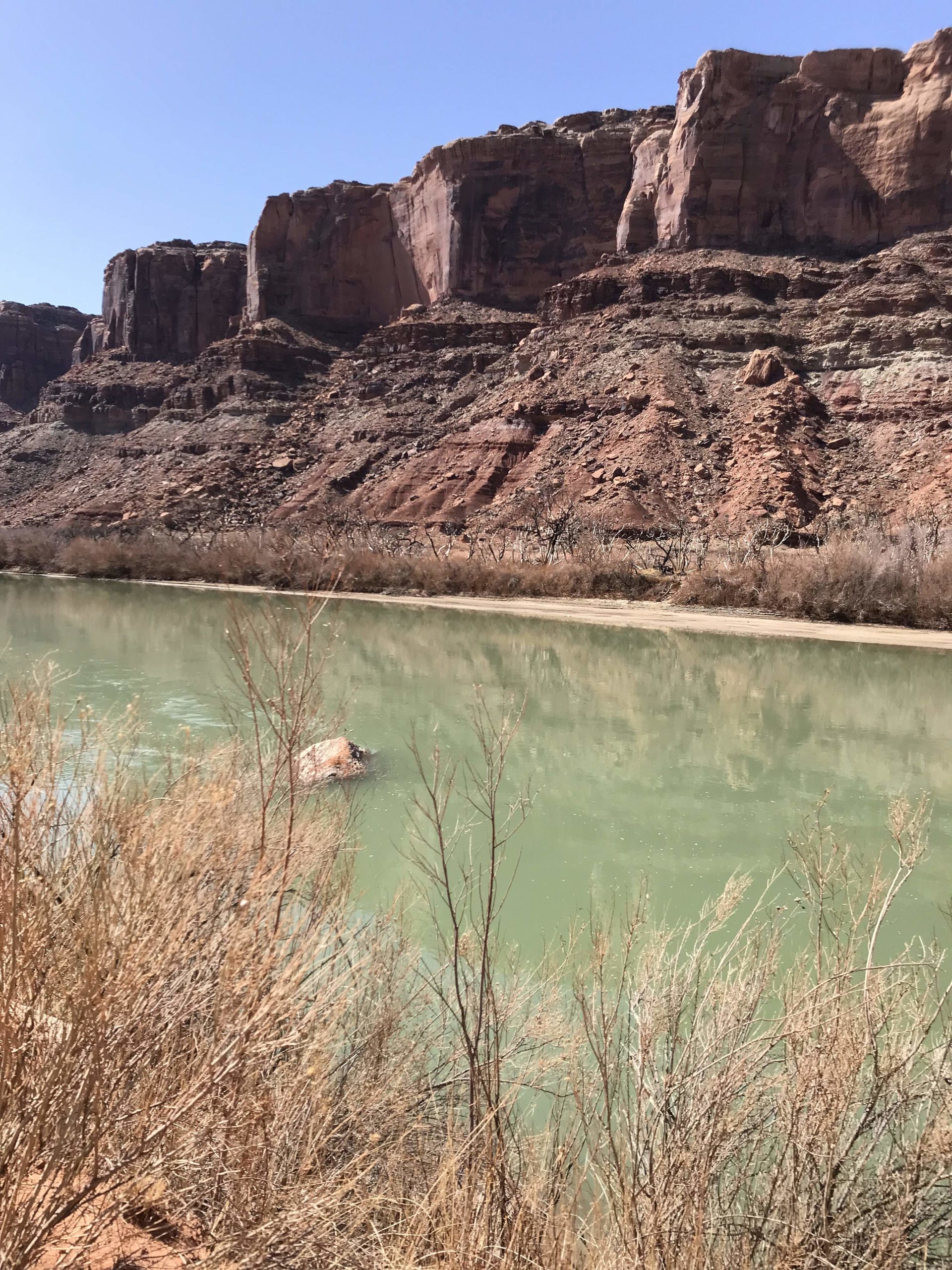
Green River Courtesy & Copyright Shannon Rhodes, Photographer
Green River
Courtesy & Copyright Shannon Rhodes, Photographer

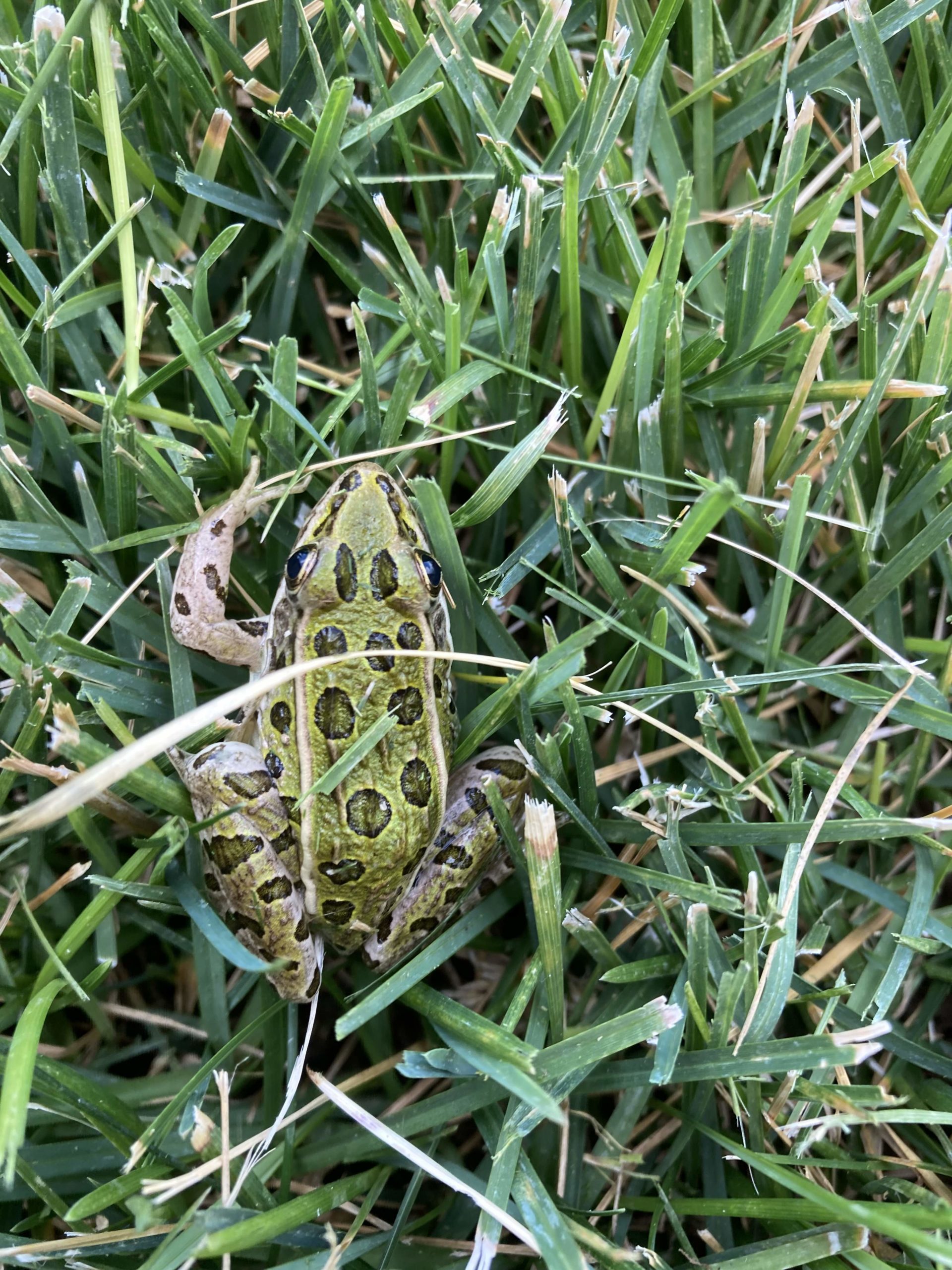
Leopard Frog, Lithobates pipiens Courtesy & Copyright Shannon Rhodes, Photographer Leopard Frog, Lithobates pipiens
Courtesy & Copyright Shannon Rhodes, Photographer

Wolf Lichen, Letharia vulpina Courtesy & Copyright Shannon Rhodes, Photographer Wolf Lichen, Letharia vulpina
Courtesy & Copyright Shannon Rhodes, Photographer

In one of my first childhood books I met a washerwoman hedgehog named Mrs. Tiggy-winkle who lived on a hilltop higher than the clouds that had a spring, peculiar rocks, and mysterious footmarks. Its author had studied and recorded both in words and watercolor detail in her sketchbooks everything from bird eggs and bees to caterpillars and cornflowers to water lilies and Flopsy Mopsy rabbits with naturalist precision.

What if children’s book author Beatrix Potter would have known Utah the way she captured interesting elements of places she visited while on her family holiday outings in the English Lake District, North Wales, and Scotland? I wonder how her mind might have played with our minty Green River, sometimes in Utah’s history known by the names Rio Verde and Seedskeedee. What would she have done with its Gates of Lodore or Desolation Canyon?

Green. Everywhere I look outside I see green. Perhaps that is why green is my favorite color. Nothing stops me in my tracks like chartreuse wolf lichen clinging to the bark of conifer trunks. What stories would Potter spin with that had she wandered through Utah’s forests? It is said that her favorite organism was actually fungi like the Amanita gemmata or jeweled deathcap, so much so that her naked-eye and microscope-enhanced renderings led her to compose an essay about spore germination for the Linnean Society in 1897.

The world knows her best for her Peter Rabbit tale, yet because she was such an observant nature artist, spinning fantastical stories about creatures in the wild and pairing them with companion pencil and watercolor illustrations begs little of the reader in the way of imagination.

Few may know her, though, for her beautiful nature journals. Her entry of a painted lady butterfly, zooming in specifically on the wing scales, or magnified studies of a ground beetle’s leg and elytra reveal hours she spent noticing. I marvel at how long it must have taken her to know amphibian structures and behaviors to craft a tale with such specificity. In “The Tale of Mr. Jeremy Fisher,” she portrays a frog punting like on the River Cam, fishing, and nibbling butterfly sandwiches. She draws him dipping his foot in the pond, swimming, and leaping across the meadow in his tattered macintosh. What would she have imagined the Northern Leopard frog thinking as it zigzagged through my lawn last summer? Why did it have to come from the far-away canal across concrete and road to my home before I noticed its distinctive snoring and clicking croak or learned to appreciate its tenacity?

Potter found equal perfection in “the highest and the lowest in nature,” aware and eager to capture it all with imagination and detail. As our world greens this spring, I hope we take time to sit and sketch the wonders, even if we don’t have the courage to eat “roasted grasshopper with lady-bird sauce.”

I’m Shannon Rhodes, and I’m wild about Utah.

Credits:
Images: Courtesy & Copyright Shannon Rhodes, Photographer
Additional Audio: Courtesy & ©
Text: Shannon Rhodes, Edith Bowen Laboratory School, Utah State University https://edithbowen.usu.edu/
Additional Reading Links: Shannon Rhodes

Additional Reading:

Wild About Utah Posts by Shannon Rhodes https://wildaboututah.org/author/shannon-rhodes/

Drost, Charles. Status of Northern Leopard Frogs in the Southwest. December 15, 2016. https://www.usgs.gov/centers/southwest-biological-science-center/science/status-northern-leopard-frogs-southwest

Larese-Casanova, Mark. The Call of Springtime: Utah’s Frogs and Toads. March 22, 2012. https://wildaboututah.org/the-call-of-springtime-utahs-frogs-and-toads/

Lear, Linda. About Beatrix Potter. 2011. The Beatrix Potter Society. https://beatrixpottersociety.org.uk/about-beatrix/

National Park Service. Northern Leopard Frog. https://www.nps.gov/articles/northern-leopard-frog.htm

Northern Leopard Frogs. Biokids’ Inquiry of Diverse Species. https://www.biokids.umich.edu/critters/Lithobates_pipiens/

Potter, Beatrix. The Tale of Mr. Jeremy Fisher. 1906. https://www.gutenberg.org/files/15077/15077-h/15077-h.htm

Potter, Beatrix. The Tale of Mrs. Tiggy Winkle. 1905. https://www.gutenberg.org/files/15137/15137-h/15137-h.htm

Strand, Holly. Last Blank Spots on the Map. October 29, 2009. https://wildaboututah.org/last-blank-spots-on-the-map/

Thomson, Keith. Beatrix Potter, Conservationist. May-June 2007. https://www.americanscientist.org/article/beatrix-potter-conservationist

Beatrix Potter, Author and Conservationist, Born (1866), Day by Day in Conservation History, Today in Conservation, July 28, 2017, https://todayinconservation.com/2020/04/july-28-beatrix-potter-author-and-conservationist-born-1866/

U.S Department of Agriculture Forest Service. Lichens. https://www.fs.fed.us/wildflowers/beauty/lichens/didyouknow.shtml

Victoria and Albert Museum. Beatrix Potter: Drawn to Nature. 2022. https://www.vam.ac.uk/collections/beatrix-potter

Webb, Roy. Green River. Utah History Encyclopedia. 1994. https://historytogo.utah.gov/green-river/

Wilkinson, Todd. Utah Ushers Its Frogs Toward Oblivion. High Country News. May 27, 1996. https://www.hcn.org/issues/60/1858

Woolley, Ralf R. The Green River and Its Utilization. United States Department of the Interior. 1930. https://pubs.usgs.gov/wsp/0618/report.pdf

PJ Forests

PJ Forests: Pinyon-juniper forest mixed with shrubs, cacti, and sage blanketing the mesa. Courtesy US National Parks Service, Austin Tumas, Photographer
Pinyon-juniper forest mixed with shrubs, cacti, and sage blanketing the mesa top
Courtesy US National Parks Service,
Austin Tumas, Photographer
As I write this, I’m babysitting grandkids in Cedar City. I find relief from the little rascals by
handing them off to grandma while I retreat to surrounding pinyon-juniper forests, affectionally titled PJ forests.

Bird calls instantly transform my thoughts to these pygmy forest’s abundant offerings- muffled laughing calls of pinyon jays, twittering of juniper titmice, raucous scrub jays. Drawn by
swooping ravens, I approach a juniper overlooking the canyon below. Thirty feet away, an immature golden eagle sits on a Juniper branch expressing its displeasure by twisting a gold-
mantled head to face the marauders with fierce eyes.

Further up the trail, five mule deer dart though the shadows. A black tailed jackrabbit bolting from its sage hideout startles me. Wishing for binoculars, a flock of sparrow-sized birds fly
across. I attempt to imagine them as juncos, without success. Tomorrow I will return with optics in hand to solve the mystery.

Pinyon Juniper are the dominant forest type in Utah. Much like the sage Steppe biotic community, at first glance one is deluded by the apparent lifeless monotony of this landscape.
To the contrary, both have a high biodiversity. These forests have around 450 species of vascular plants living alongside pinyon pines and junipers. Additionally, over 150 vertebrate
species of animals including elk, mule deer, and bear call pinyon-juniper forests home either seasonally or throughout the year.

Junipers are a birders paradise. The trees offer sites for perching, singing, nesting, and drumming. They also yield plentiful berries (actually spherical cones) and house a high insect
diversity for birds to consume. Mammals also eat the berries while seeking shelter in hollow juniper trunks, taking advantage of the trees’ shade in hot temperatures and the trees’ thermal
cover in the cold. Pinyon pines offer similar benefits to forest-dwellers. Pinyon mice, Abert’s squirrels, cliff chipmunks, Uinta chipmunks, wood rats, desert bighorn sheep, and black bears
all eat pinyon pine nuts.

For millennia, our own species have been dependent on the pinyon pine for their variable bounty of highly nourishing pine nuts. A staple of the Paiute, Goshute, Ute, and Shoshone, their
lives revolved around the fall harvest with elaborate ceremonies to pay homage for their life sustaining food value. It continues to the present, and we Euromericans have joined them in fall
harvest here in the Intermountain west, including my children and grandchildren.

Like the sage steppe, the pinyon juniper forest has been misunderstood, and under-appreciated for its critical role in the lives of so many species that would not exist without it, nor would
atmospheric carbon be stored in their fiber and their soils. Chaining and other “treatments” are highly controversial given the aesthetic impact of once vibrant forest replaced with piles of
uprooted trees and torn soils. Compounding this, recent decades have witnessed more severe drought and heat events making them vulnerable to insect and disease attacks, and catastrophic fire. We must practice utmost care in how we manage this priceless resource.

Jack Greene for Bridgerland Audubon Society, loving wild Utah and its PJ forests

This is Jack Greene for Bridgerland Audubon Society, loving wild Utah and its PJ forests!

Credits:
Pictures: Courtesy US National Parks Service, Austin Tumas, Photographer
Audio: Courtesy & Copyright Kevin Colver, https://wildstore.wildsanctuary.com/collections/special-collections as well as J. Chase and K.W. Baldwin, https://upr.org/
Text: Jack Greene, Bridgerland Audubon, https://bridgerlandaudubon.org/
Additional Reading: Lyle W Bingham, Webmaster, and Jack Greene, Author, Bridgerland Audubon, https://bridgerlandaudubon.org/

Additional Reading:

Jack Greene’s Postings on Wild About Utah, https://wildaboututah.org/author/jack/

Pinyon-Juniper Woodlands – Introduction & Distribution, National Park Service, US Department of the Interior, https://www.nps.gov/articles/pinyon-juniper-woodlands-distribution.htm

Pinyon-Juniper Woodlands – Species Composition and Classification, National Park Service, US Department of the Interior, https://www.nps.gov/articles/pinyon-juniper-woodlands-species-composition-classification.htm

Tausch, R.J., Miller, R.F., Roundy, B.A., and Chambers, J.C., 2009, Piñon and juniper field guide: Asking the right questions to select appropriate management actions: U.S. Geological Survey Circular 1335, 96 p., https://pubs.usgs.gov/circ/1335/circ1335.pdf

Plants, Natural Bridges National Monument, National Park Service, US Department of the Interior, https://www.nps.gov/nabr/learn/nature/plants.htm

Noah’s Ark Trail, Dixie National Forest, USDA Forest Service, https://www.fs.usda.gov/recarea/dixie/recarea/?recid=24930

Welcoming Rodent Engineers

Welcoming Rodent Engineers: Spawn Creek Beaver Dam and Pond Courtesy and Copyright Bethany Neilson, Photographer
Spawn Creek Beaver Dam and Pond
Courtesy and Copyright Bethany Neilson, Photographer
Finding a beaver dam gives me a sense of discovery and connects me to the past. I fondly remember my parents pointing out dams when we drove up Logan canyon. Instinctively, we’d scan, hoping to see the animals that built and maintained those structures. When we talked about beaver dams, the conversation often turned to trappers who would rendezvous and re-supply in the Bear Lake and Cache valleys. We lived where history had happened, and I was eager to know more.

Years later, inspired by a history class, I read Dale Morgan’s Jedediah Smith and the Opening of the West. Morgan followed the travels of Smith and his fellow trappers who answered William Ashley’s 1822 ad in the Missouri Gazette requesting “ONE HUNDRED MEN, to ascend the river Missouri to its source, there to be employed for one, two, or three years….”

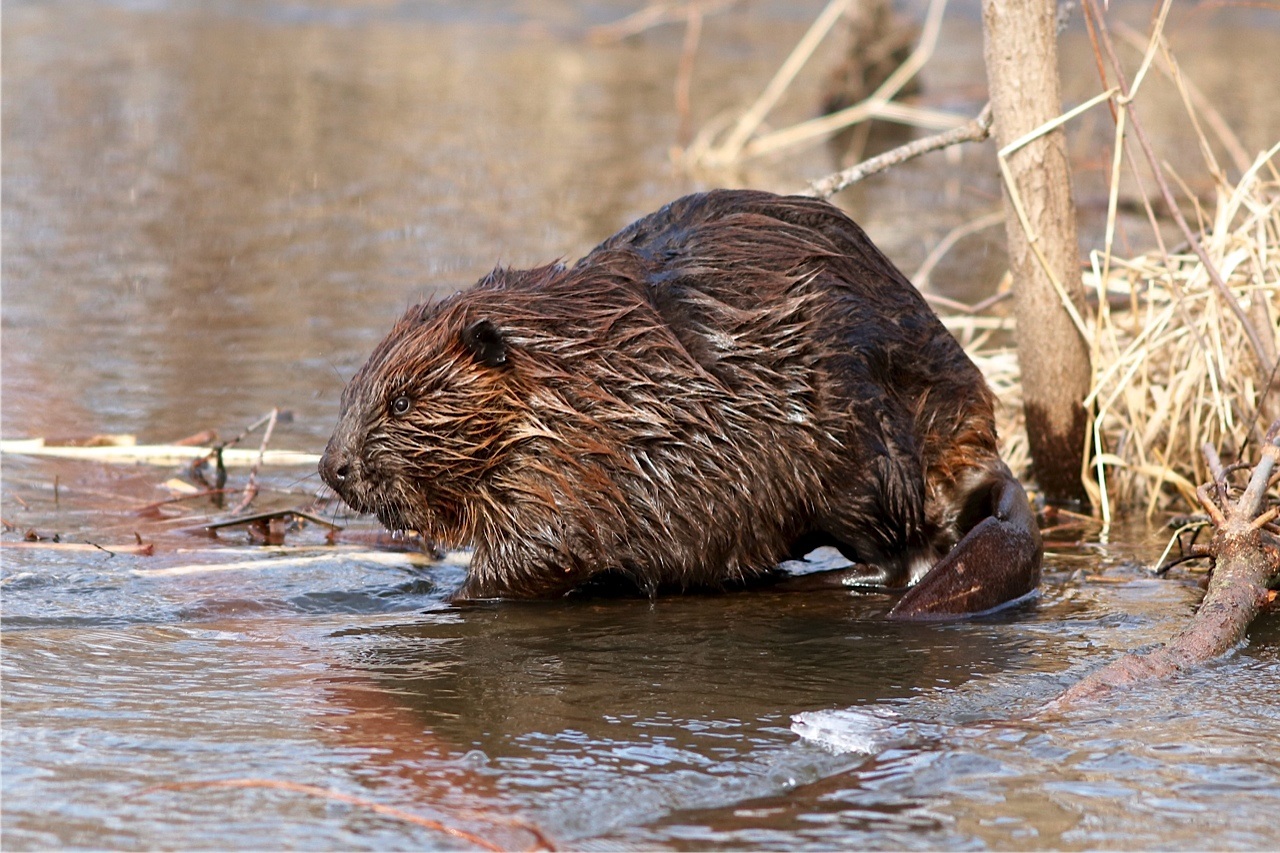
North American beaver (Castor canadensis) Courtesy US FWS, Larry Palmer, Photographer
North American beaver
(Castor canadensis)
Courtesy US FWS, Larry Palmer, Photographer
Ashley’s troop competed with the Hudson’s Bay Company, the American Fur Company and several native indigenous tribes, all trapping beaver. The story sounds familiar: beaver pelts, and later bird feathers, were used to create hats, and the movement to harvest them led to a significant decline in numbers. For the birds, this decline led to building refuges and other conservation efforts. But the plight of the beaver continued downhill as exploration and discovery encouraged an influx of settlers. For the next century, the remaining beaver were regarded by those settlers as invasive land-grabbers, in competition with efforts to direct water, mine and irrigate.

However, today beavers are gaining more respect as we better understand the benefits of their skills in supporting wildlife and wetland conservation. Researchers at Utah State University, including Joe Wheaton and Nick Bouwes of the Department of Watershed Sciences, are studying habitat improvement after beaver introduction as a cost-effective way to combat drought and fire.

Spawn Creek Beaver Dams Courtesy & Copyright Joe Wheaton
Spawn Creek Beaver Dams
Courtesy & Copyright Joe Wheaton, Photographer
They have repeatedly demonstrated, over the past few years, that beaver families can be introduced and thrive behind fabricated beaver dam analogues(BDAs). After release into the resulting ponds, the beavers take over maintenance and produce their own dams. Over time, these dams and their rodent engineers improve stream flows, raise water tables, and cool water temperatures.

In essence, active beaver dams create Mesic habitats where the land maintains a well-balanced supply of moisture throughout the growing season. These dams slow spring run-off as they retain water in ponds and the surrounding soil, thereby, securing water for fish, trees, birds and wildlife. The best part is that the beavers do the maintenance.

Installing Beaver Dam Analogues, Rio Cabolla, Santa Fe National Forest, Courtesy USDA Forest Service
Installing Beaver Dam Analogues
Post Fire Rehabilitation
Rio Cabolla, Santa Fe National Forest,
Courtesy USDA Forest Service

Completed Beaver Dam  Analogues, Rio Cabolla, Santa Fe National Forest, Courtesy USDA Forest Service Completed Beaver Dam Analogues, Rio Cabolla, Santa Fe National Forest,
Courtesy USDA Forest Service

When wildfires occur, beaver oases preserve wildlife and habitat. However, if beaver and their habitats don’t exist in an area before a fire, they can still play a role. By retaining water with beaver dam analogs, we can create wetlands conducive to beaver habitat. In Joe Wheaton’s words, “We can’t dump beaver into a watershed that has burnt to the ground and expect them to do the restoration of degraded streams on their own…. What we can do post-fire is accelerate recovery with low-tech structures that make it easier to more quickly get beaver into an area and accelerate recovery. We’d like to help them do that.” (Utah State Magazine, Winter 2019, p.12)

To learn more about how birds, beaver and water are key to the understanding and improvement of our environment, and to find ways to get involved, check out this story on this wildaboututah.org.

I’m Lyle Bingham for Bridgerland Audubon, and I’m Wild About Utah

Credits:
Photos: Beaver Dam, Courtesy & Copyright © Bethany Neilson, Photographer https://uwrl.usu.edu/people/faculty/neilson-bethany
Spawn Creek Beaver Dams Courtesy & Copyright Joe Wheaton
Installing & Completed Beaver Dam Analogues, Rio Cabolla, Santa Fe National Forest, Courtesy USDA Forest Service
Featured Audio: Courtesy & Copyright © Friend Weller, Utah Public Radio upr.org
Text: Lyle Bingham, https://bridgerlandaudubon.org/
Additional Reading: Lyle Bingham, https://bridgerlandaudubon.org/

Additional Reading

Wild About Utah, Lyle Bingham’ Wild About Utah Postings

Strand, Holly, Beavers: The Original Army Corps of Engineers, April 29, 2010, https://wildaboututah.org/beavers-the-original-army-corps-of-engineers/

Leavitt, Shauna, Beaver–Helping Keep Water on Drying Lands, April 17, 2017, https://wildaboututah.org/the-beaver-helping-keep-water-on-drying-lands/

Leavitt, Shauna, Sixty In-stream Habitat Structures in Four Days: Demonstrating Creek Restoration Techniques, December 18, 2017, https://wildaboututah.org/sixty-instream-habitat-structures-in-four-days-demonstrating-creek-restoration-techniques/

Hellstern, Ron, Leave it to Beaver, July 30, 2018, https://wildaboututah.org/leave-it-to-beaver/

Leavitt, Shauna, Proposed Beaver Holding Facility in Millville, Utah, September 3, 2018, https://wildaboututah.org/proposed-beaver-holding-facility-in-millville-utah/

Leavitt, Shauna, Beaver in Utah’s Desert Rivers, July 6, 2020, https://wildaboututah.org/beaver-in-utahs-desert-rivers/

Heers, Mary, Beaver Tail Slap, October 12, 2020, https://wildaboututah.org/beaver-tail-slap/
(re-aired in late December 2021)

Other Favorites:

Randall, Brianna, Nature’s Engineers: How Beavers Boost Streamflows and Restore Habitat, https://www.sagegrouseinitiative.com/natures-engineers-how-beavers-boost-streamflows-and-restore-habitat/
Randall, Brianna, How Beavers Boost Stream Flows, National Wildlife Federation, January 8, 2020, https://blog.nwf.org/2020/01/how-beavers-boost-stream-flows/

Low-Tech Process Based Restoration of Riverscapes Design Manual, https://lowtechpbr.restoration.usu.edu/manual/

New Manual for Low-Tech Riparian Restoration, https://www.sagegrouseinitiative.com/new-manual-for-low-tech-riparian-restoration/

Randall, Brianna, Beavers, Water, and Fire—A New Formula for Success, Low-tech stream restoration works wonders for people and wildlife, National Wildlife Federation, October 30, 2018, https://blog.nwf.org/2018/10/beavers-water-and-fire-a-new-formula-for-success/

Nicholas Weber ,Nicolaas Bouwes,Michael M. Pollock,Carol Volk,Joseph M. Wheaton,Gus Wathen,Jacob Wirtz,Chris E. Jordan, Alteration of stream temperature by natural and artificial beaver dams, May 17, 2017, https://doi.org/10.1371/journal.pone.0176313 OR https://journals.plos.org/plosone/article?id=10.1371/journal.pone.0176313

Prettyman, Brett, Dolling (SLTRIB), Justin(UT DWR), Beavers in Utah, Creators of Habitat, The Salt Lake Tribune & Utah DWR, Oct 15, 2009 •

Utah’s population of beaver has recovered since the days when they were trapped by mountain men, but some people wonder if moving beaver to traditional habitats may help deal with drought.

Utah Beaver Management Plan, Utah Division of Wildlife Resources, https://wildlife.utah.gov/pdf/furbearer/beaver_plan_2010-2020.pdf

Birds, Beaver and Water in a Changing Climate, Bridgerland Audubon, https://bridgerlandaudubon.org/birds-beaver-and-water-in-a-changing-climate/

Goldfarb, Ben, Eager: The Surprising, Secret Life of Beavers and Why They Matter, Chelsea Green Publishing, March 8, 2019, https://www.amazon.com/Eager-Surprising-Secret-Beavers-Matter/dp/1603589082/ref=asc_df_1603589082/