Courtesy Pixabay, Mike-RJA1988 Contributor
Courtesy & Copyright Marshall Topham, Photographer
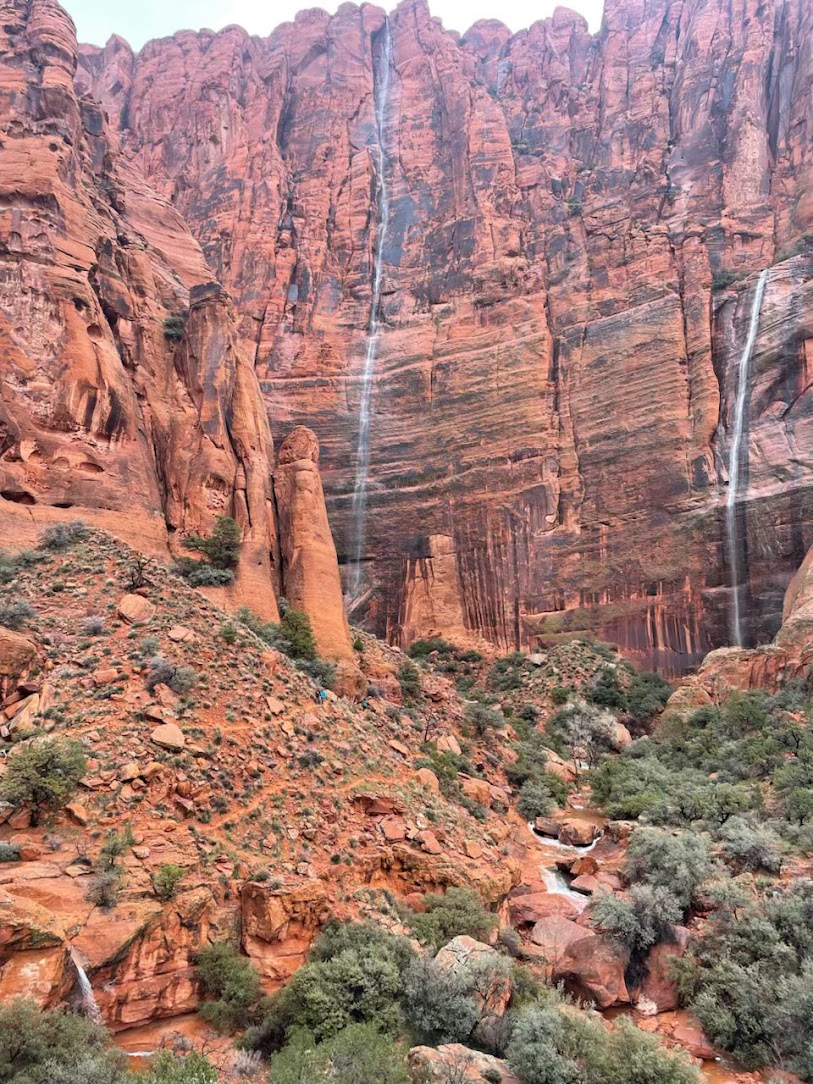 Courtesy & Hell-Hole Canyon in the Rain
Copyright Marshall Topham, Photographer
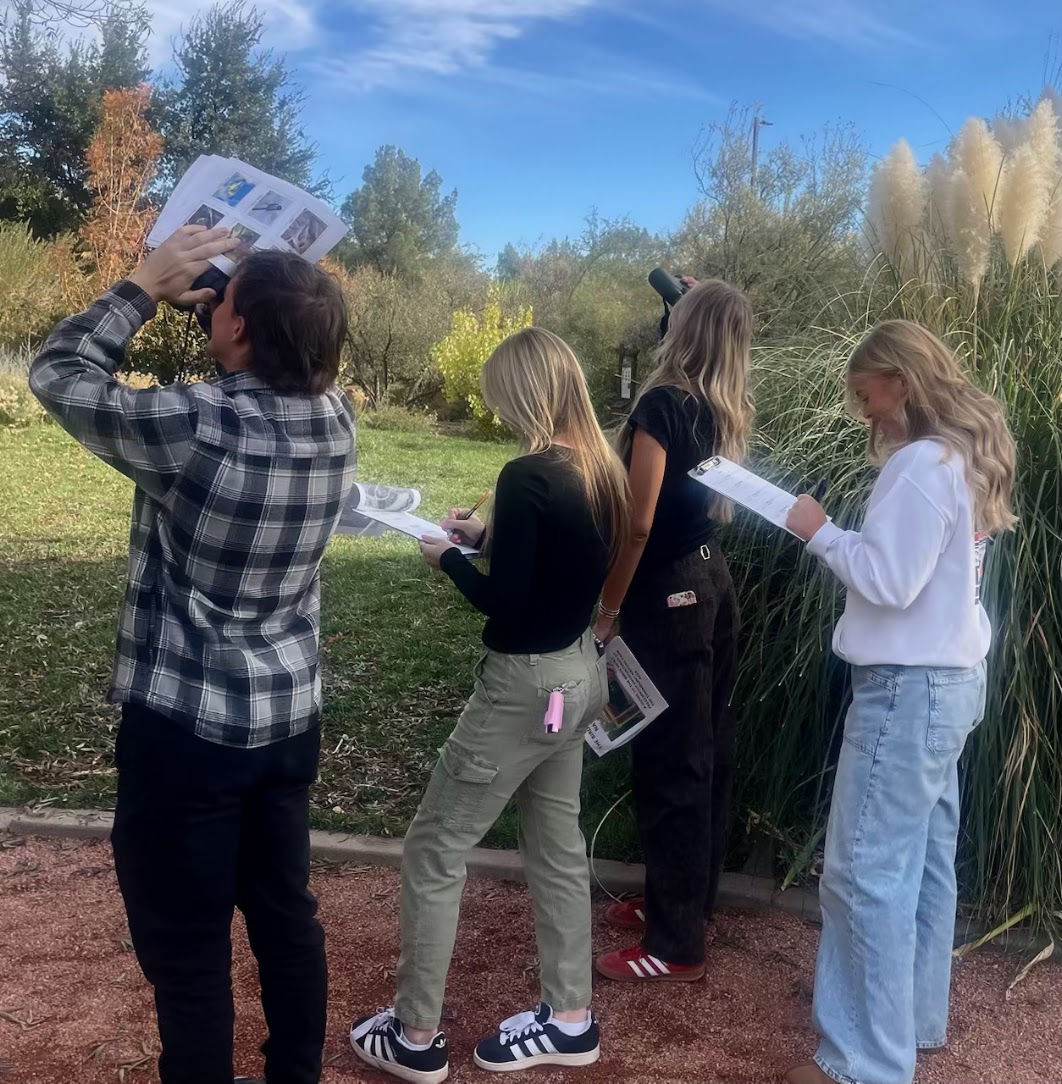 Birding Students from UTU
Courtesy & Copyright Marshall Topham, Photographer
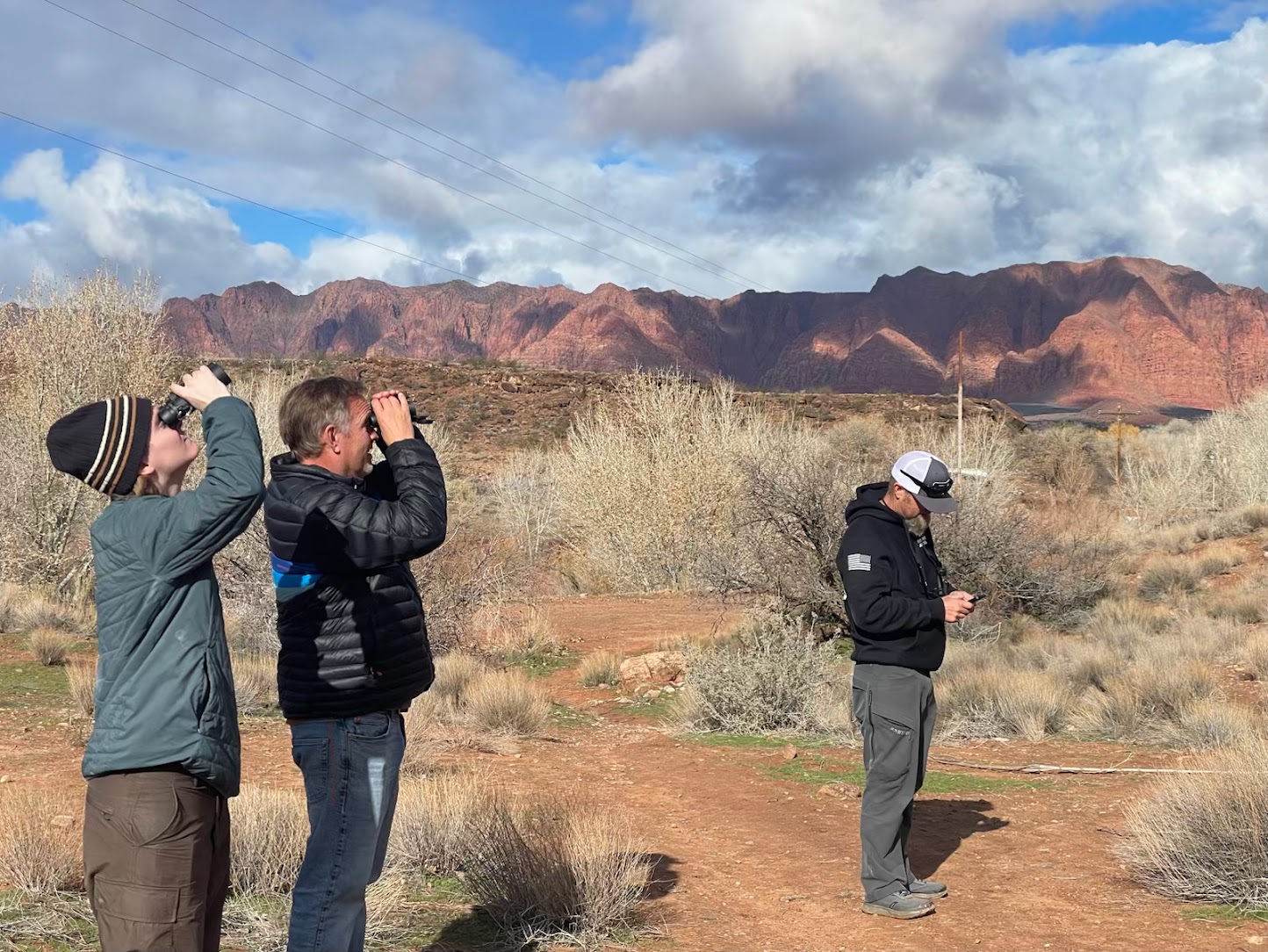 My Family Birding
Courtesy & Copyright Marshall Topham, Photographer
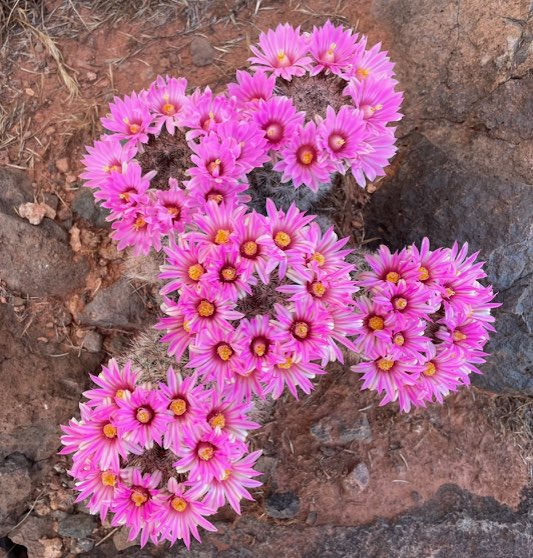 Fishhook Cactus
Courtesy & Copyright Marshall Topham, Photographer
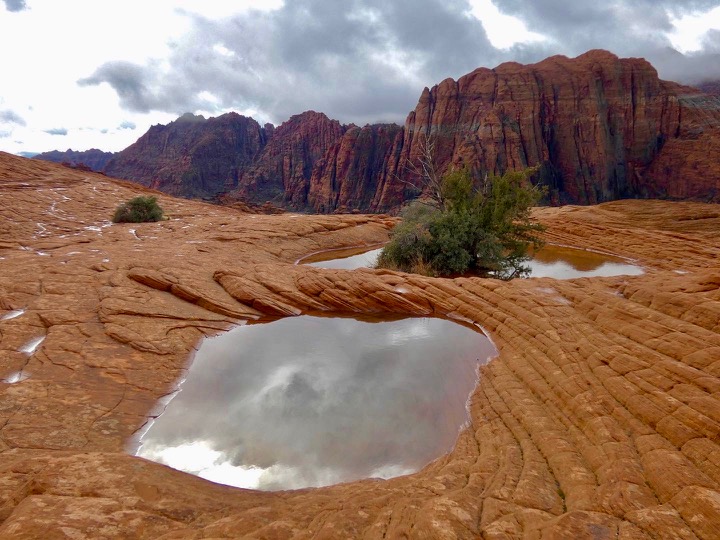 Ephemeral Pool
Copyright Marshall Topham, Photographer
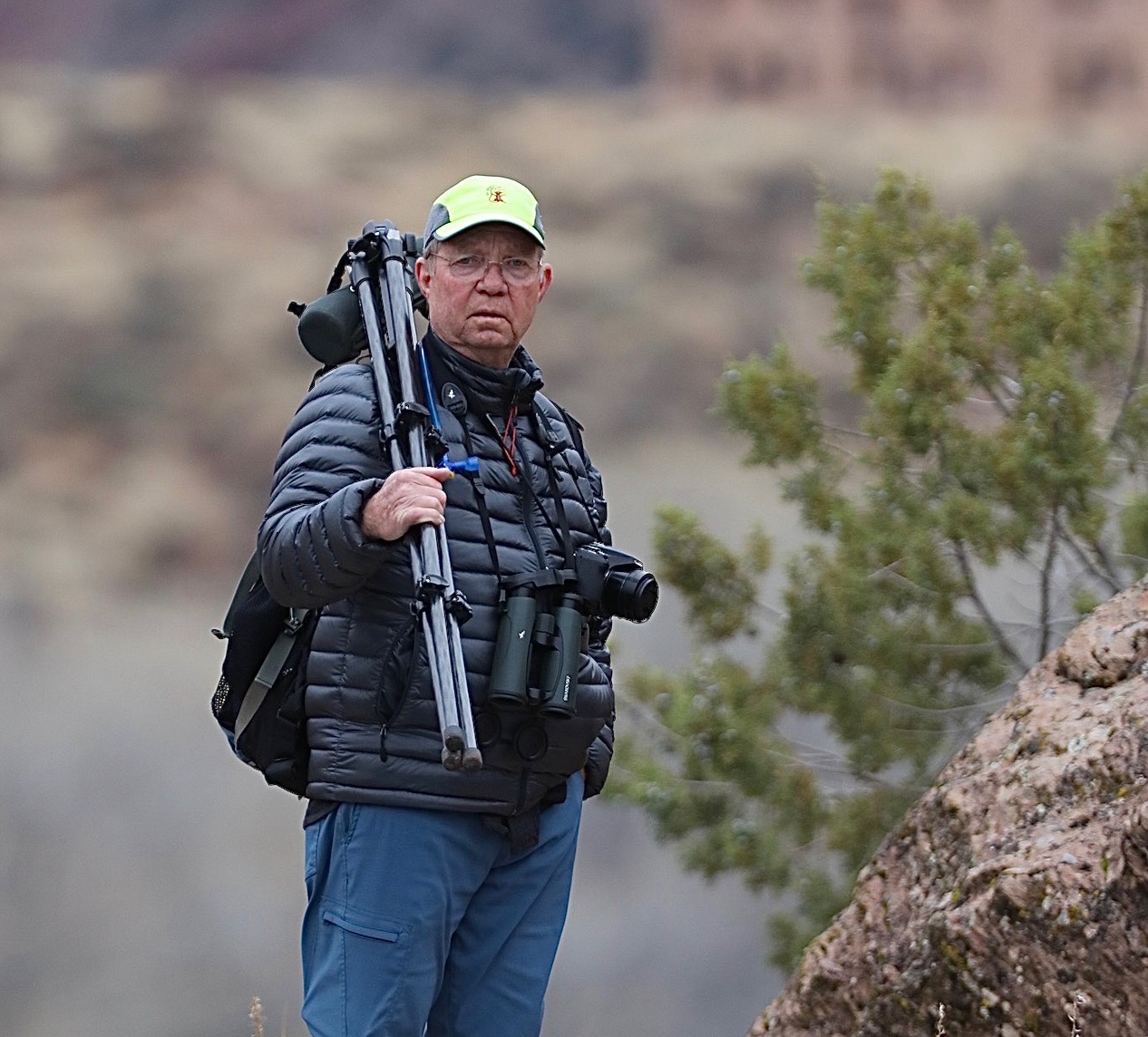 Marshall Birding
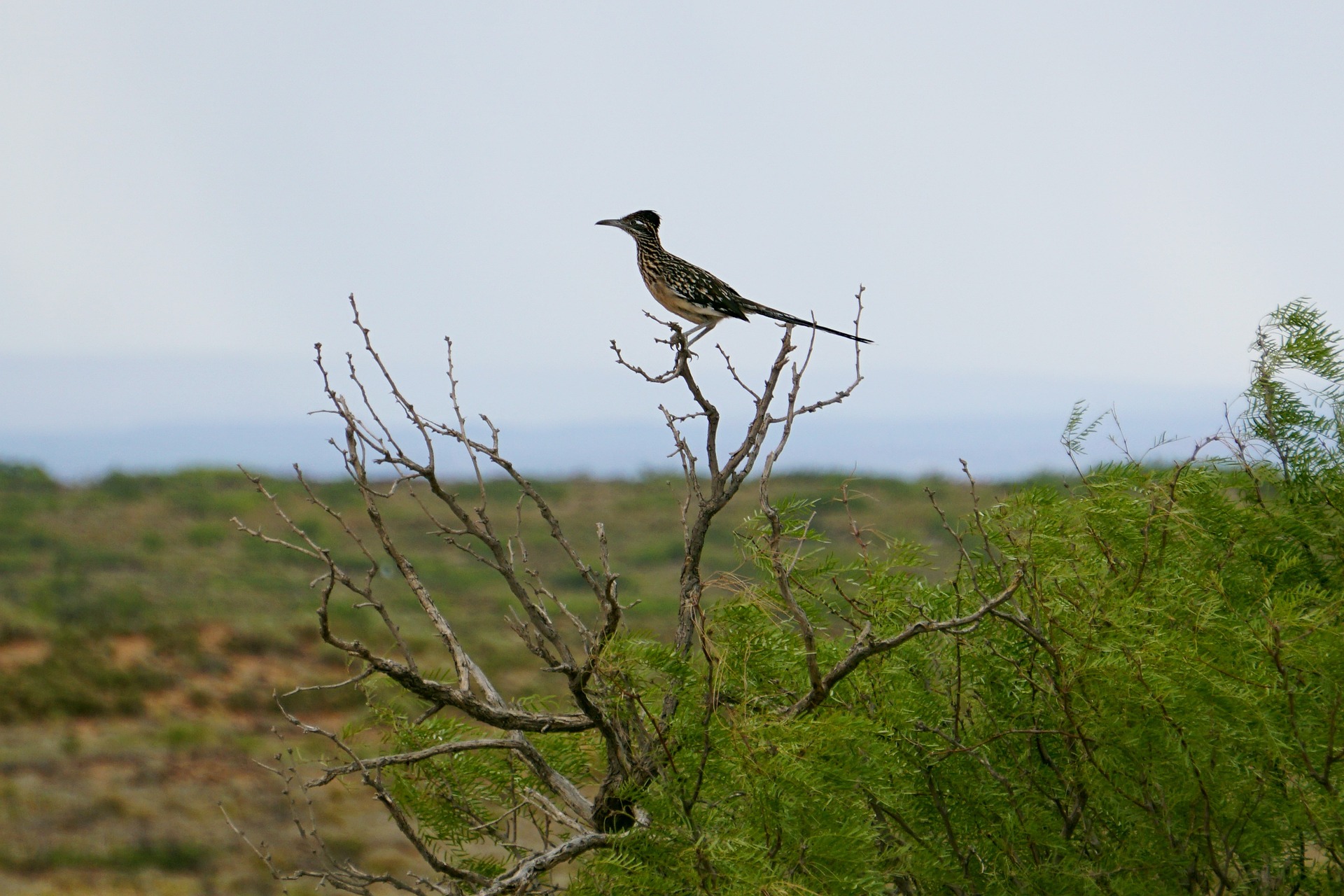
Courtesy & Copyright Marshall Topham, PhotographerOur list of birds observed for the day will exceed 100 different species. This day, we will have passed through numerous life zones, beginning in the Sonoran life zone of the Mojave Desert and ending up in the alpine forests of the Canadian life zone.
In birder’s language, we call this a big day.
There are 924 bird species known to be in the United States. The average county in Utah has approximately 295 species, but Washington County, Utah, boasts 400 species.
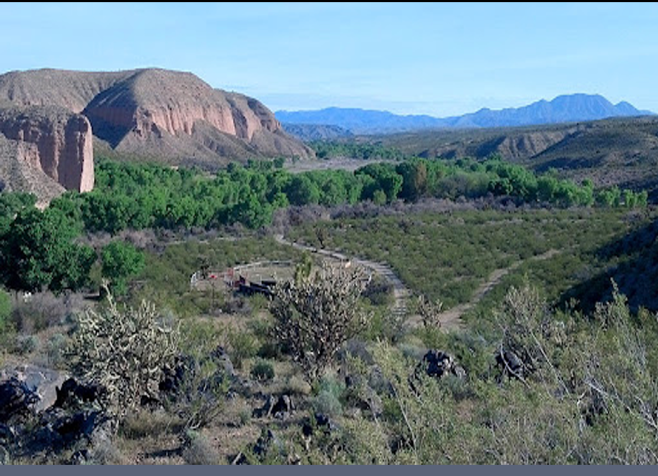
The incredible diversity of bird life is due to several factors. Probably the most important is the convergence of three different geophysical features. The Great Basin Desert invades Washington County from the north, the Mojave Desert from the south, and the Colorado Plateau comes in from the east. Each different geophysical feature brings with it its own distinct complement of plants and animals, and therefore birds. In addition to the merging of geophysical features, Washington County is incredibly diverse topography. The elevation changes from 2000 feet to over 10,000 feet at the top of Pine Mountain, which locals refer to as Pine Valley Mountain.
The numerous different life zones provide opportunity to observe many different species of birds. Erosion has also played a part in the diversity of life here. What was once the bottom of washes that filled with magma from ancient volcanoes are now the tops of ridges capped with basalt or lava. This inverse topography is not common elsewhere in a state, and it provides unique microhabitats, such as north-south slopes, which retain different amounts of moisture due to their orientation to the winter sun. The difference in soil moisture content produces different plants and attracts different birds.
There is also the fact that we are near the convergence of two different migration flight ways, the Pacific Flyway on the west and the central flyway to the east. Birds from both these flyways can find their way into the county.
Soil types should also be included in the list, from basalt to sandstone and limestone, and various different soils found in the area contribute to the diversity of plant life, and therefore bird life, as well. Sandstone is known to create both ephemeral pools after rainstorms on the surface and absorb water like a sponge, which slowly leaks out at the base, creating life-sustaining water seeps.
Surprisingly, Utah ranks only 45th out of 50 states in the United States with regard to the number of people who consider themselves birders. The national average is 24% but in Utah, only 11% think that they would qualify. This is a bit unfortunate, because research has shown birding to have tremendous advantages for human physical and cognitive health. Committed bird watchers have detectable brain differences that suggest bird watching reshapes the brain in much the same way as learning a language or a musical instrument does. Three combined studies in the UK have shown bird watching to be a remedy for stress, anxiety, and depression. Becoming a birder physically reshapes your brain. Considerable research shows that learning and practicing bird identification increases the structural density and complexity in brain regions tied to physical processing, attention, and working memory. These changes help build a cognitive buffer that protects against age-related memory decline.
Perhaps Terry Tempest Williams put it best: “Birds are wherever we are. They are our companions. Birds are mediators between heaven and earth.”
This is Professor Marshall Topham from Utah Tech University. I’m wild about Utah.
Credits:
Images Courtesy & Copyright Marshall Topham, Photographer
Also included photos Courtesy US BLM: https://www.flickr.com/photos/blmutah/32152508267/in/album-72157667920964286/
Featured Audio: Courtesy & © Bob Holmes, Composer, Hugh Jones, Producer, Rubber Rodeo-Before I Go Away, 1984, https://www.discogs.com/release/9698183-Rubber-Rodeo-Scenic-Views
Text: Marshall Topham, https://ees.utahtech.edu/faculty-staff/
Additional Reading: Lyle Bingham, https://bridgerlandaudubon.org/
Additional Reading
Wild About Utah pieces by Marshall Topham https://wildaboututah.org/author/marshall-topham/
417 Species in Washington County, Utah United States, eBird Printable Checklist, eBird.org [visited June 22, 2026] https://ebird.org/printableList?regionCode=US-UT-053
Birding in Washington County, UtahBirds.org, http://utahbirds.org/counties/washington/index.html Note, this is not a TSL-protected connection: http not https.