Solar Eclipses-A look into the skies

Solar Eclipses: Mary and Family Viewing the Eclipse Courtesy & © Mary Heers, Photographer
Mary and Family Viewing the Eclipse
Courtesy & © Mary Heers, Photographer

Photo of Her 2013 T-shirt
Courtesy & Copyright Mary Heers, Photographer, T-Shirt image Copyright 2012 Betchart Expeditions Inc. Photo of Her 2013 T-shirt
Courtesy & Copyright Mary Heers, Photographer
T-Shirt image Copyright 2012 Betchart Expeditions Inc.

Photo of Her 2013 T-shirt
Courtesy & Copyright Mary Heers, Photographer, T-Shirt image Copyright 2012 Betchart Expeditions Inc. Photo of Her 2013 T-shirt
Courtesy & Copyright Mary Heers, Photographer
T-Shirt image Copyright 2012 Betchart Expeditions Inc.

When I looked up at the cloudy sky on October 14, I was dismayed. I was so looking forward to watching the partial solar eclipse, predicted to be at its height at 80% in Cache Valley at 10:15. Now the sun was hidden behind heavy clouds. Refusing to give up all hope, I slipped my eclipse glasses into my pocket and headed up a hiking trail on the Wellsville mountains. At 10:10 I stopped on an open ledge, put the glasses on, and looked up into the sky.

I saw nothing but absolute, total black.

I waited a few minutes. I put the glasses back on.

This time I saw the darkness thinning. And behold! A golden croissant appeared in the black sky.

In very slow motion, the moon continued to slide across this glowing crescent, reducing it to a thin golden semi-circle.

It was spellbinding for me because this partial eclipse was so different from the 3 total eclipses I’d already seen. This time my attention was on the big black moon rock sailing slowly across a spot of light. In the past, watching a total eclipse was all about the sun disappearing.

My first eclipse was in 1961. My high school physics teacher had taken us on an all-night bus ride. In the morning, the bus pulled over in an olive grove. I will never forget how the color drained out of the countryside. The birds stopped singing. We felt the chill as the temperature dropped.

My second total eclipse was on a ship in the middle of the Atlantic Ocean. We were on course to intercept the path of totality when it started raining. The shop’s captain gunned the engines and somehow found a bit of open sky. We counted down: 3,2,1, Zero! The sun disappeared and the stars came out. We took off our glasses. We held our breath. And then a tiny spot of hot sun poked out on the the sun’s aurora, and what looked like a giant engagement ring spread across the sky.

My third eclipse was near the Grand Tetons in 2017. This time I was fascinated by the small crescents of sunlight shadows dancing across my shoes.

In ancient times, the temporary extinguishing of the sun caused quite a bit of fear. The Chinese thought a giant dragon was taking bites out of the sun. They beat drums to drive the dragon away. In other countries, warriors shot flaming arrows into the sky to reignite the lost fireball.

We still have much to learn about the moon, the sun, the stars, and beyond. But what I learned this year was that the sun is 400 times the size of the moon. The moon is 390 times closer to the earth. This allows the sun and moon to appear to us to be the about same size. So, when the moon slides between us and the sun, sometimes it covers it completely. But when the moon is at its farthest from the earth, it leaves the fiery edges of the sun exposed – the Ring of Fire.

It’s a math problem with moving parts, but mathematicians can predict exactly when the next total eclipse will be visible in North America.

Set your calendar for April 8, 2024.

This is Mary Heers and I’m Wild About Utah.

Credits:

Photos: Courtesy & Copyright Mary Heers. T-shirt image © 2012 Betchart Expeditions Inc.
Featured Audio: Courtesy & Copyright © Friend Weller, Utah Public Radio upr.org
Text: Mary Heers, https://cca.usu.edu/files/awards/art-and-mary-heers-citation.pdf
Additional Reading: Lyle Bingham, https://bridgerlandaudubon.org/

Additional Reading

Wild About Utah, Mary Heers’ Postings

“Some Tribes are allowed to view the eclipse while others, like the Navajo and Ute Indian Tribes, do not look at it. This can include reflections (water, mirrors, windows, etc.) or photos.

Please avoid posting videos or photos of the eclipse on social media – some Tribes are forbidden to look at the eclipse, including images and videos…”
2023 Annular Eclipse, San Juan County Economic Visitor Services, https://www.utahscanyoncountry.com/2023_annular_eclipse

Strand, Holly, Ring of Fire, Wild About Utah, May 17, 2012, https://wildaboututah.org/ring-of-fire/

Eclipses, NASA, https://science.nasa.gov/eclipses/

2023 Solar Eclipse, NASA, https://science.nasa.gov/eclipses/future-eclipses/eclipse-2023/

[Future Eclipses] April 8, 2024, Solar Eclipse, NASA, https://science.nasa.gov/eclipses/future-eclipses/eclipse-2024/

2023 Annual Eclipse, Bryce Canyon National Park, National Park Service, US Department of the Interior, https://www.nps.gov/brca/planyourvisit/2023-annular-eclipse.htm

Annular Solar Eclipse, October 14, 2023, Capital Reef National Park, National Park Service, US Department of the Interior, https://www.nps.gov/care/planyourvisit/annular-solar-eclipse.htm

Atlantic Crossing Total Eclipse 2013, Betchart Expeditions Inc.,
Webpage: https://www.solareclipsetrips.com/europe_atlantic2013.htm
Mailer: https://www.solareclipsetrips.com/pdf_files/atlantic_cros_final_1300_01x.pdf
Memorable Images: https://www.betchartexpeditions.com/trav_atlantic_crossing2013.htm
Nature Therapy

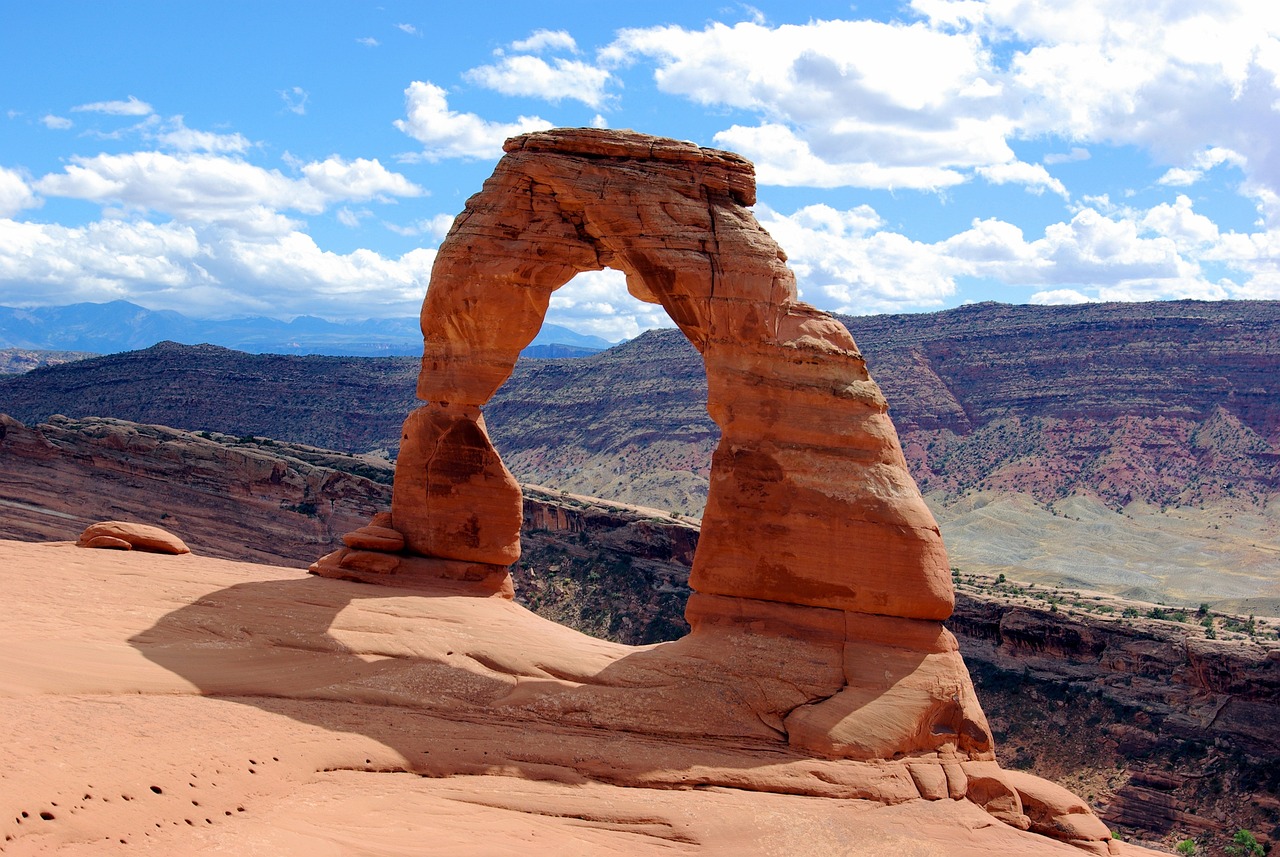
Nature Therapy: Delicate Arch, Arches National Park, Courtesy Pixabay, Mike Goad, Contributor
Delicate Arch,
Arches National Park
Courtesy Pixabay, Mike Goad Contributor

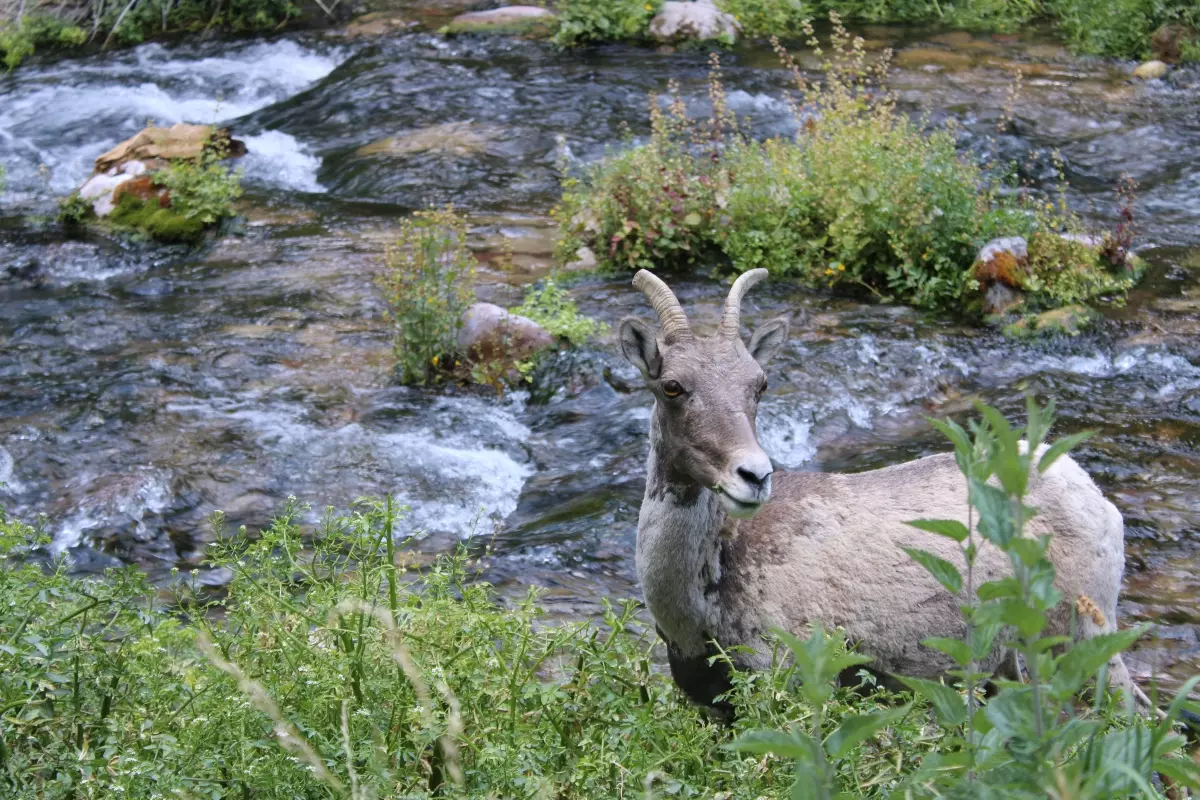
Bighorn near Jones National Fish Hatchery, Dinosaur National Monument and Vernal, UT. Courtesy US FWS, Erin Falk Photographer Bighorn near Jones National Fish Hatchery, Dinosaur National Monument and Vernal, UT. Courtesy US FWS, Erin Falk Photographer

During the COVID days, there was an explosion of outdoor activity as we found an escape from being locked in buildings. Sporting good shops soon sold out of most of their outdoor gear. Our local recreational lands and waters, including national and state parks, soon became overwhelmed with outdoor enthusiasts, most of which has continued to this day.

The intrinsic value of connecting to nature has been realized and capitalized. It’s becoming more common for health workers, both mental and physical, to subscribe nature as a potential cure for many ailments.

From a human evolutionary perspective, our 300 thousand years as a species has been spent outdoors. We were intimately connected to natural landscapes and all our Earth Mother provided. Even over the past ten thousand years, most of our ancestors have been farmers, living close to the land and its fickle moods. I’m sure our biophilia is imbedded in our neurological network. Thus nature deficit disorder looms large once this vital connection is severed.

For a deep dive, the Child & Nature Network is bursting with research on this topic. Beyond our immediate health, having access to natural landscapes enhances academic and work performance, and reduces the number of sick days registered. Many countries beyond our own have structured programs such as forest bathing and goat yoga. I have yet to try goat yoga, but find it alluring- love goats and yoga!

I designed and ran an outdoor adventure program at a youth ranch in Michigan for troubled youth. It became very popular and effective, especially when we invite parents and care givers to join us on some of our adventures. The Utah Conservation Corps had a program for Latino high school students, some of whom were struggling as adolescence often do. Again, the program was transformative for many of the participants, who continued on to higher education rather than becoming high school dropouts for work.

I now volunteer with the International Friends Program where I lead an outdoor program for USU international students and scholars. It’s become very popular where young adults find friendship and engage in new outdoor activities, including hiking, camping, canoeing, Nordic skiing, ice skating, and many others. Something about escaping to the indoors and engaging in stimulating activities on land and water allows walls to disappear and rich conversation to flow.

I’ve also had recent outings with Common Ground Outdoor Adventure, a marvelous program that serves all abilities- both mental and physical. The joy it brings to their lives is a joy to witness.

A new PBS program “America Outdoors” with Baratunde Thurston takes you to different states where you witness natures impact on struggling individuals in gorgeous landscapes. Virtual immersion in earth’s offerings, including an extraordinary episode on Utah! https://www.pbs.org/show/america-outdoors-baratunde-thurston/.
Being a naturalist, I always include information on the local geology, ecology, and natural history. I find it enriches the experience and allows new ways of interacting with the natural world beyond its astounding beauty.

Jack Greene for Bridgerland Audubon Society, and I’m wild about the natural healing Wild Utah affords!

Credits:
Images: Delicate Arch: Courtesy Pixabay, Mike Goad, Contributor, https://pixabay.com/photos/delicate-arch-arch-delicate-utah-3768200/
Images: Big Horn: Courtesy US FWS, Erin Falk Photographer
Audio: Courtesy & © J. Chase and K.W. Baldwin, https://npr.org/ and Kevin Colver, https://wildstore.wildsanctuary.com/collections/special-collections
Text: Jack Greene, Bridgerland Audubon, https://bridgerlandaudubon.org/
Additional Reading: Lyle W Bingham, Webmaster, and Jack Greene, Author, Bridgerland Audubon, https://bridgerlandaudubon.org/

Additional Reading:

Children & Nature Network, https://www.childrenandnature.org/

America Outdoors with Baratunde Thurston, https://www.pbs.org/show/america-outdoors-baratunde-thurston/

Learning Through Birding

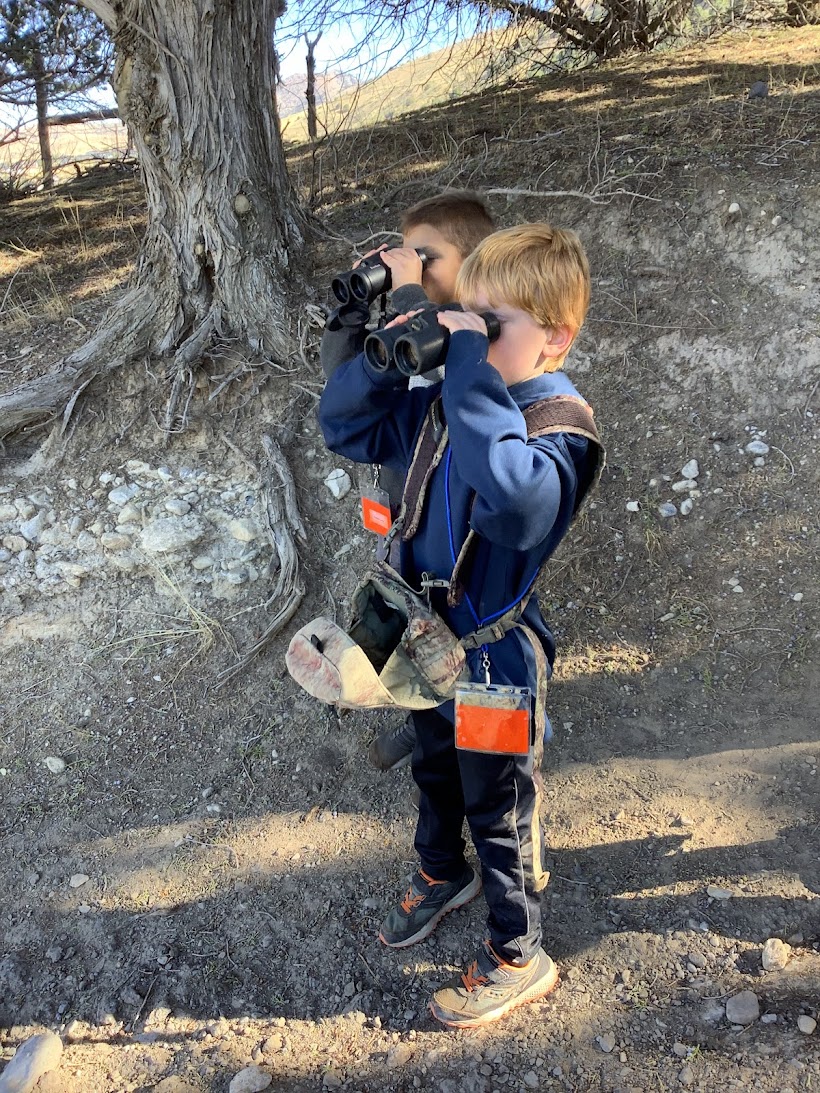
Students with Binoculars Courtesy & Copyright Joseph Kozlowski, Photographer
Students with Binoculars
Courtesy & Copyright Joseph Kozlowski, Photographer

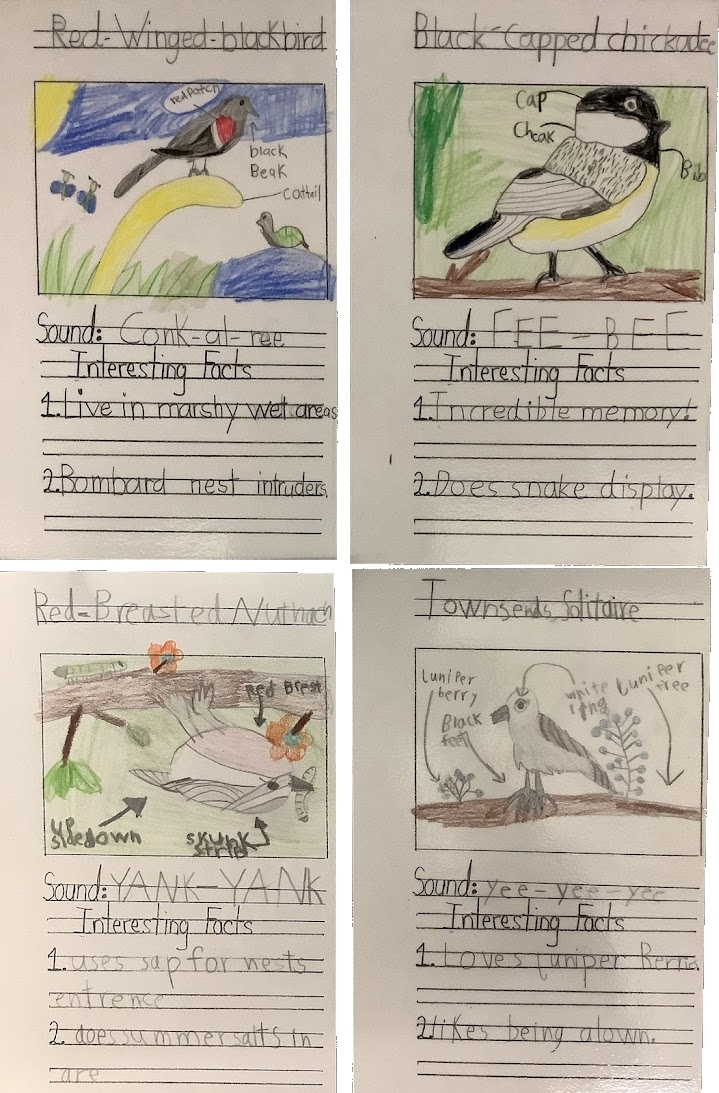
Student Journal Pages Courtesy & Copyright Joseph Kozlowski, Photographer Student Journal Pages
Courtesy & Copyright Joseph Kozlowski, Photographer

I’m a fledgling birder, with a less-than-soaring Life List. However, after being inspired this summer by the amazing new Merlin App my dad and brother introduced me to, I wanted to learn more. When preparing to start another year teaching 2nd-grade at USU’s Edith Bowen Laboratory School, I decided to integrate birding into my curriculum. I knew that studying birds could be as simple or as complex as I desired, which seemed perfect to help all my students make learning gains and make special discoveries throughout the year.

I reached out to Hilary and Jack, who are local experts and members of the Bridgerland Audubon Society. They were happy to meet with me, give me resources, and help me brainstorm ways to make the world of birding come to life for my students. However, the fun really started when I kicked off everything in my classroom. There was immediate buy in from my students, and as soon as 25 bright eyed 2nd-graders were screeching the “CONK-LA-REEEE” of a Red-Winged Blackbird, I knew I was hooked as well.

My sequence of instruction, which usually lasts about a week per bird, starts by utilizing AI technologies and The Cornell Lab’s comprehensive birding website to develop an informational and narrative passage about a specific bird, which is used to address language arts standards. After this, students create a writing piece about the bird, which sometimes is informational, but sometimes is a creative piece that incorporates characteristics or habits of the bird. We incorporate mathematics in meaningful, context-based ways that has some relationship to the bird. For example, our class learned that Black-Capped Chickadees can remember over 1,000 seed hiding places! Therefore, students created and solved a fun math problem: “If a Black-Capped Chickadee had 1,000 seeds hidden, and during the winter ate 20 seeds a day, how many days can she eat until her seeds have run out?” Finally, each student makes a single page on that specific bird that goes in their journal. Each page requires the student to draw a picture of the bird, label three distinguishing parts, create an onomatope for the sound, and write two interesting facts about the birds.

To bring the birding knowledge to life, we developed multiple field experiences aimed at observing birds and identifying them. So far, kids have found the Black-Capped Chickadee, Red-Winged Blackbird, Townsend’s Solitaire, and Red-Breasted Nuthatch. These birding experiences give students a new sense of purpose and intentionality in the field. We recently went to King’s Nature Park in North Logan’s Green Canyon where they made discoveries with their eyes, ears, and even binoculars! As we trudged up a slope, one kid glanced to the side of the trail and noticed bundles of small, blueish/purplish Juniper Berries clung to their host, and, recalling a fact they had read in class, announced “Look, Juniper berries! I bet this will be a great place to see a Townsend’s Solitaire because I know they love to eat these!” These kinds of connections are what every teacher hopes for, and I am grateful to be flying on this learning journey right alongside my students.

This is Dr. Joseph Kozlowski, and I am Wild about Outdoor Education in Utah!

Credits:

Images: Courtesy & Copyright Joseph Kozlowski, Photographer, Used by Permission
Featured Audio: Courtesy & Copyright © Kevin Colver, https://wildstore.wildsanctuary.com/collections/special-collections/kevin-colver
Text:     Joseph Kozlowski, Edith Bowen Laboratory School, Utah State University https://edithbowen.usu.edu/
Additional Reading Links: Joseph Kozlowski & Lyle Bingham

Additional Reading:

Joseph (Joey) Kozlowski’s pieces on Wild About Utah: https://wildaboututah.org/author/joseph-kowlowski/

Rhodes, Shannon, Wild About Nature Journaling, Wild About Utah, June 22, 2020, https://wildaboututah.org/wild-about-nature-journaling/

Identify the birds you see or hear with Merlin Bird ID, Merlin App Download, Cornell Lab of Ornithology, https://merlin.allaboutbirds.org/

Cattail and Teasel

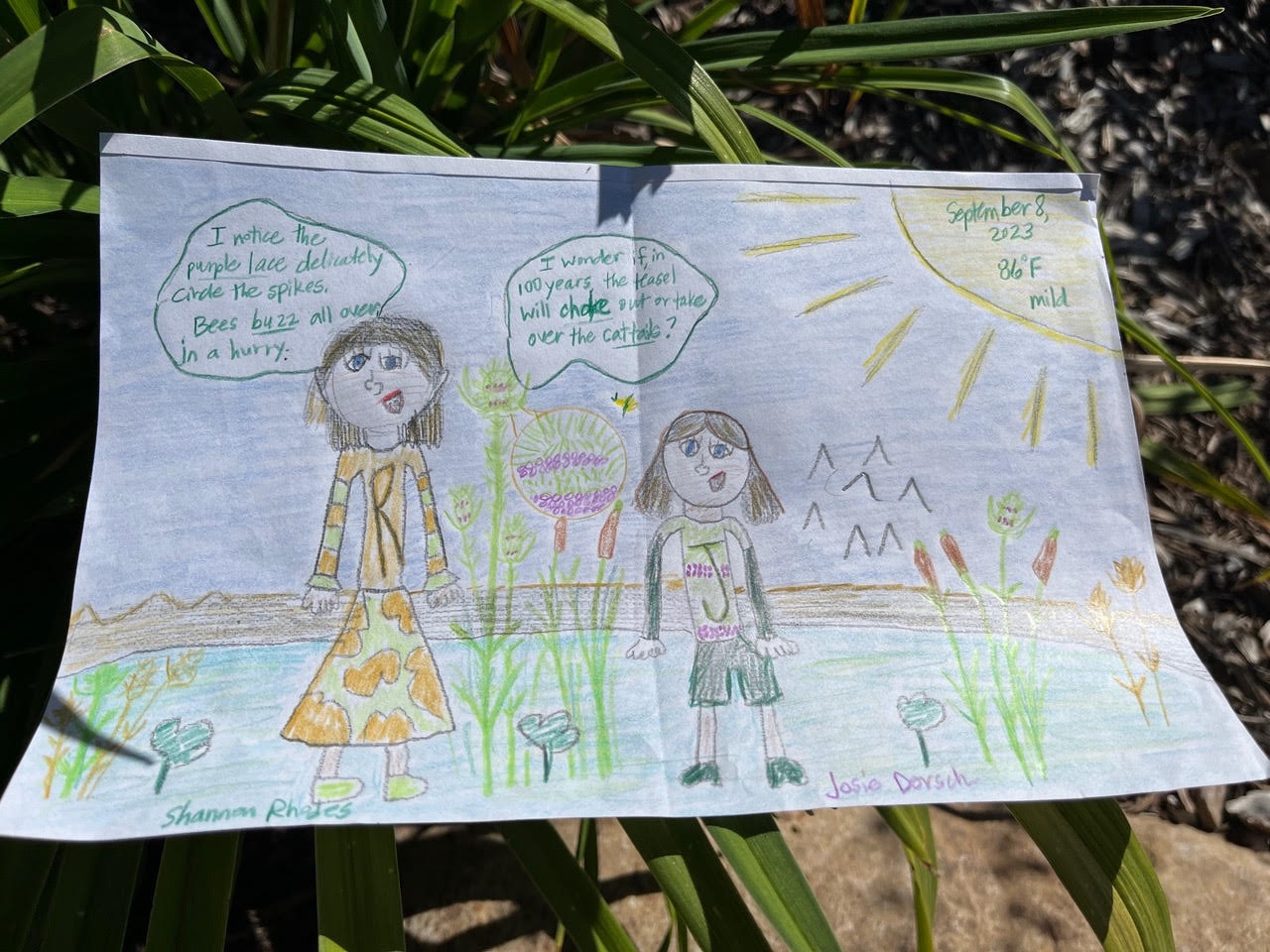
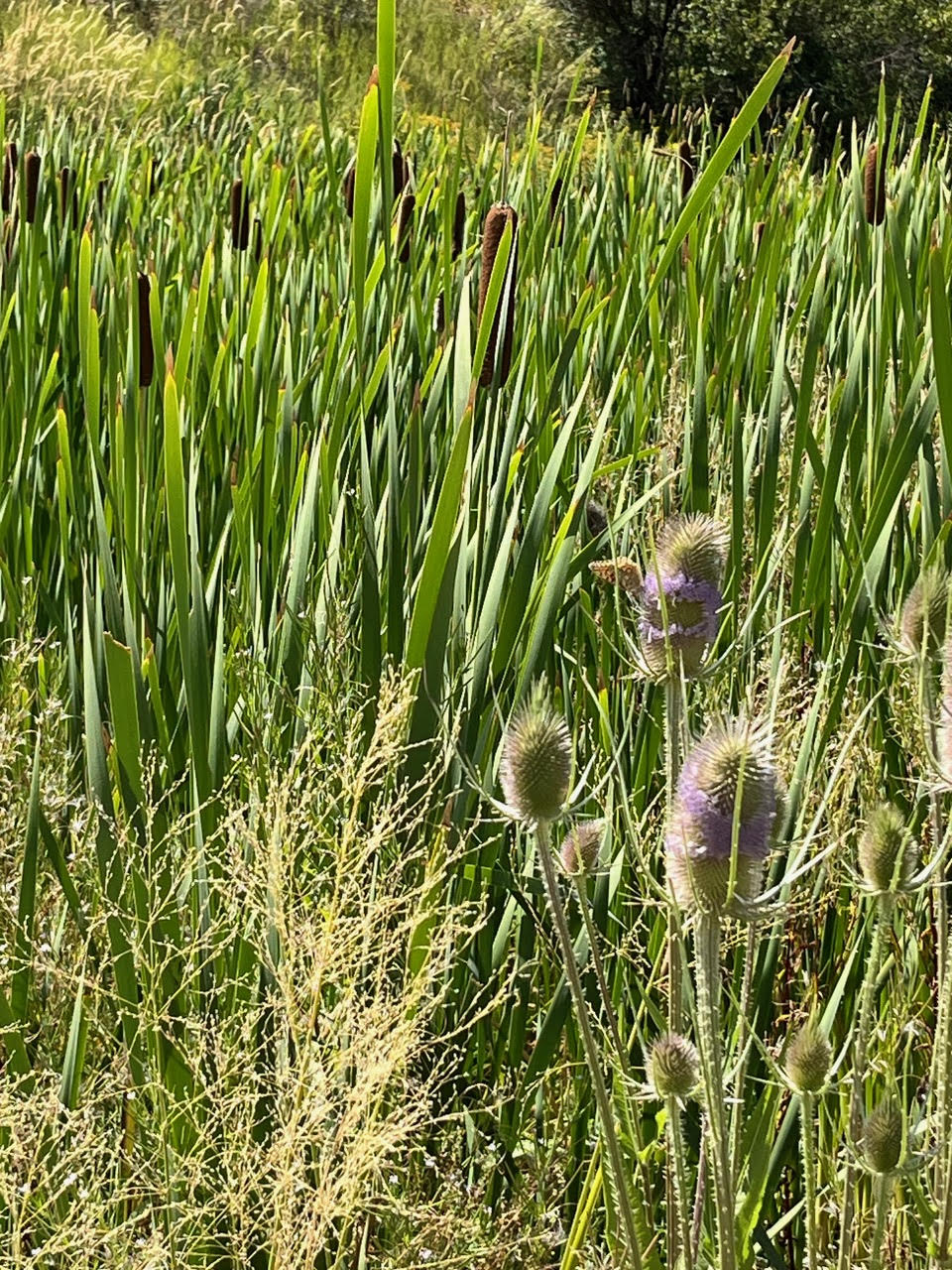
Cattail and Teasel: Josie's Nature Log Page. Used by Permission. Photo Copyright Shannon Rhodes, Photographer
Josie’s Nature Log Page
Used by Permission
Photo Copyright Shannon Rhodes, Photographer

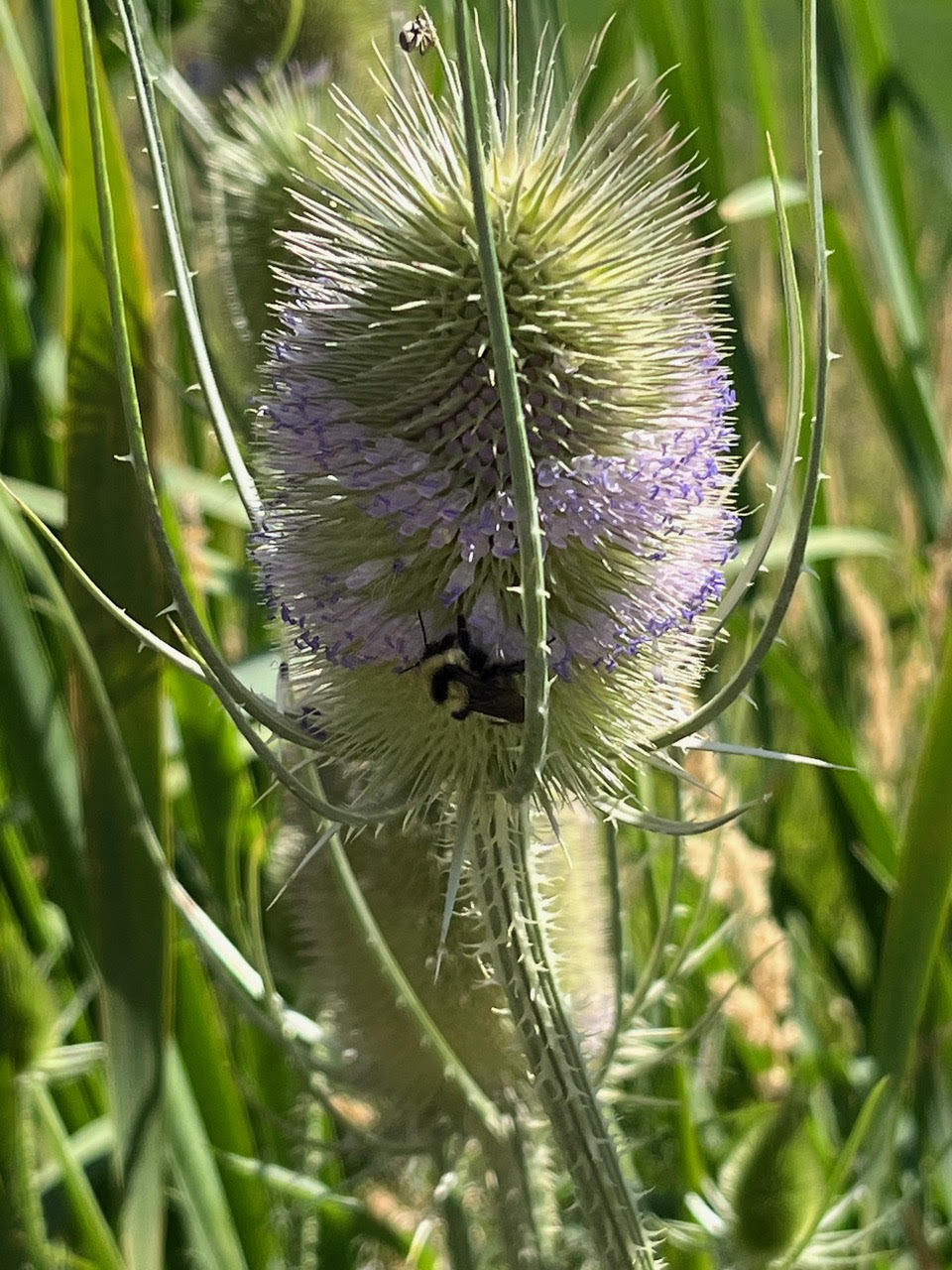
Teasel in Bloom with Bumble Bee Photo Courtesy & Copyright Shannon Rhodes, Photographer Teasel in Bloom with Bumble Bee
Photo Courtesy & Copyright Shannon Rhodes, Photographer

Cattail and Teasel in Bloom Photo Courtesy & Copyright Shannon Rhodes, Photographer Cattail and Teasel in Bloom
Photo Courtesy & Copyright Shannon Rhodes, Photographer

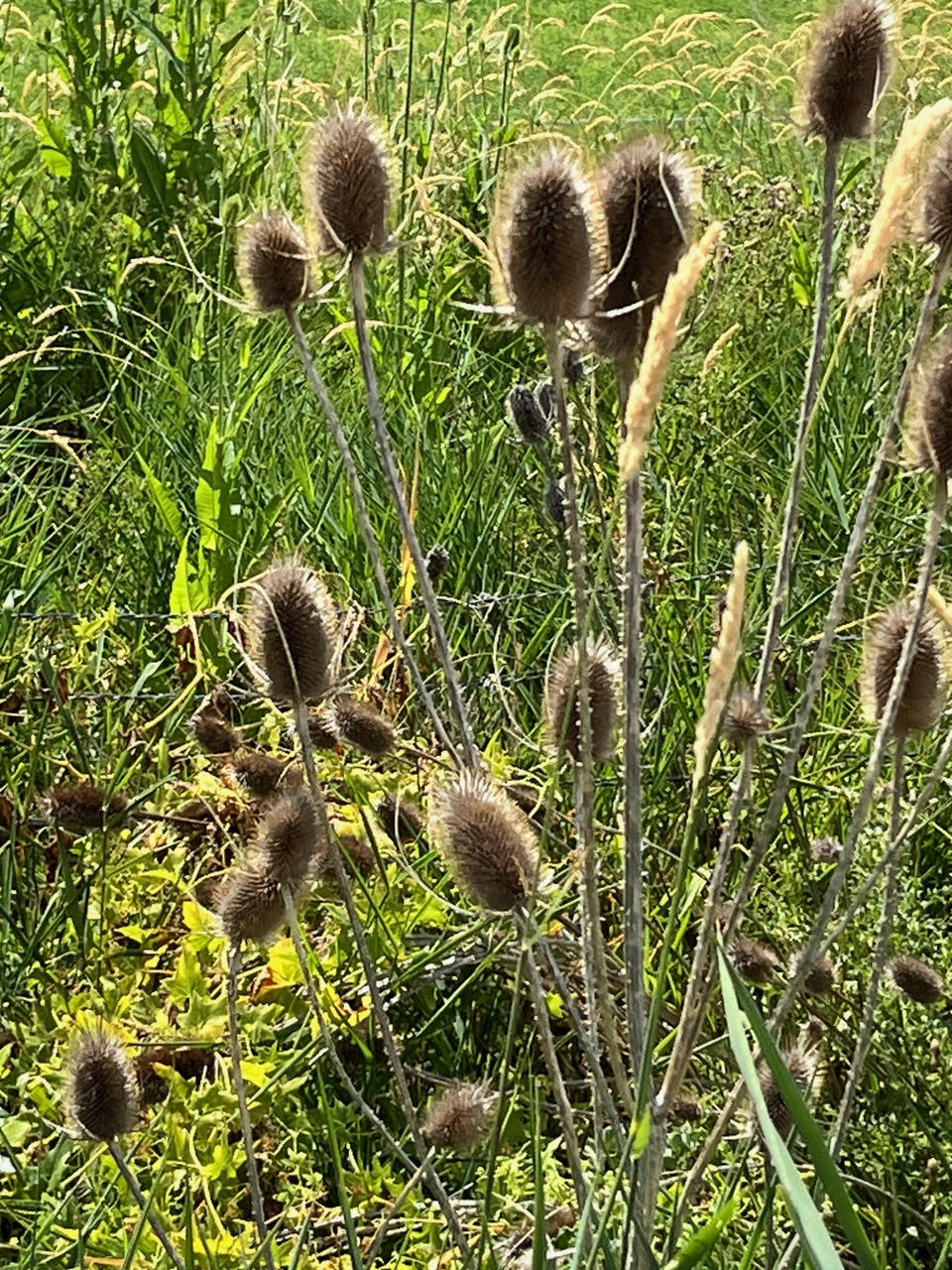
Dried Teasel Photo Courtesy & Copyright Shannon Rhodes, Photographer Dried Teasel
Photo Courtesy & Copyright Shannon Rhodes, Photographer

For many, this is the season transition between summer and back to school. This month, along with the generous gifts of caramel apples, whiteboard markers, and number 2 pencils, a child handed me a green notebook and a request. One of the greatest compliments a teacher could possibly receive, in my opinion, from a student having never been on any of my class lists, is an invitation to make a writing dialogue journal, a pen pal exchange with no grades or due dates attached. Today her entry concludes with, “Also I drew a picture of you and me in pencil.” I withdraw from the notebook’s back flap a flattering illustration of flowers, smiles, and sun rays, grab my colored pencils, and head outside to write.

Terry Tempest Williams honors a similar marshy invitation, begging us to enter the wonders of the wetlands, in her book “Between Cattails” with exquisite Peter Parnall illustrations. Amid snails and scuds, damselflies and waterlilies, red-winged blackbirds and mosquito tumblers, I am drawn to the familiar cattails. Having just spent some lazy summer days reading Robin Wall Kimmerer’s “Braiding Sweetgrass: Indigenous Wisdom, Scientific Knowledge, and the Teachings of Plants,” I now know that one can appreciate a cattail for its cucumber-tasting pith and protein-packed pollen, its gel that can soothe sunburns, and its fluff that can be used as tinder to light a fire or as soft yet absorbent layers in bedding. She taught me that “one of the words for cattail in the Potawatomi language …. means ‘we wrap the baby in it.’” When she takes students outside, she lets the plants teach them.

Many children I teach can identify cattails, but as I take my Josie journal out to the marsh to compose my writing response, I find another familiar plant that I cannot name. Quickly I realize that it has pale purple flowers; I don’t think I’ve ever seen it in any color other than brown. Once again I find how unaware I have been, and a simple plant guide check reveals the name Dipsacus fullonum, or common teasel. It is an invasive tall plant with a spiky thistle-like flower head and more spiky spears growing up around it. Small dense flowers, from 250 to over a thousand of them, each blossom for only one day. I had only ever noticed it after its biennial life cycle: flowering, dying, then persisting as a dried stem and flower head the next season. Dipsacus comes from a Greek word meaning “thirst,” referring to the leaf cups at the stalk that collect rainwater and catch insects. Sometimes listed as noxious species, this non-native plant was brought from Europe and valued for teasing wool. Today I see bees are drawn to them, and next year finches and other seed-loving birds will visit.

Turning her drawing into my nature journal for this day’s outing, I add my plant perspective. I add some silver to the brown in my teasel-y hair and purple flowers to her shirt. She wrote that “writing makes me feel in my element” and when I take writing outside and really take time to notice the details, I couldn’t agree more.

I’m Shannon Rhodes, and I am wild about Utah.

Credits:

Images: Courtesy & Copyright Shannon Rhodes, Photographer
Nature journal entry used with permission from Josie Dorsch and her parent Breanna Studenka, All Rights Reserved
Audio: Crickets Courtesy & © Friend Weller, https://upr.org/
    Birds: Courtesy & © Kevin Colver https://wildstore.wildsanctuary.com/collections/special-collections
Text: Shannon Rhodes, Edith Bowen Laboratory School, Utah State University https://edithbowen.usu.edu/
Additional Reading Links: Shannon Rhodes

Additional Reading:

Wild About Utah Pieces by Shannon Rhodes, https://wildaboututah.org/author/shannon-rhodes/

iNaturalist. Wild Teasel. https://www.inaturalist.org/taxa/56002-Dipsacus-fullonum

Kimmerer, Robin Wall. Braiding Sweetgrass: Indigenous Wisdom, Scientific Knowledge, and the Teachings of Plants. 2013. https://www.robinwallkimmerer.com/

National Park Service. Exotic Species: Common Teasel. https://www.nps.gov/articles/common-teasel.htm

Tilley, Derek. Commonly Occurring Wetland Plant Species for Idaho and Utah NRCS Wetlands Delineators. March 2019. https://www.nrcs.usda.gov/plantmaterials/idpmctn13441.pdf

U.S. Department of Agriculture. Common Teasel. https://www.invasivespeciesinfo.gov/terrestrial/plants/common-teasel

Williams, Terry Tempest. Between Cattails. New York: Charles Scribner’s Sons. 1985. https://www.terrytempestwilliams.com/