A Wild Utah Thanksgiving

Box Elder Bug on Milkweed Courtesy US FWS, Chelsi Burns, Photographer
Box Elder Bug on Milkweed
Courtesy US FWS, Chelsi Burns, Photographer

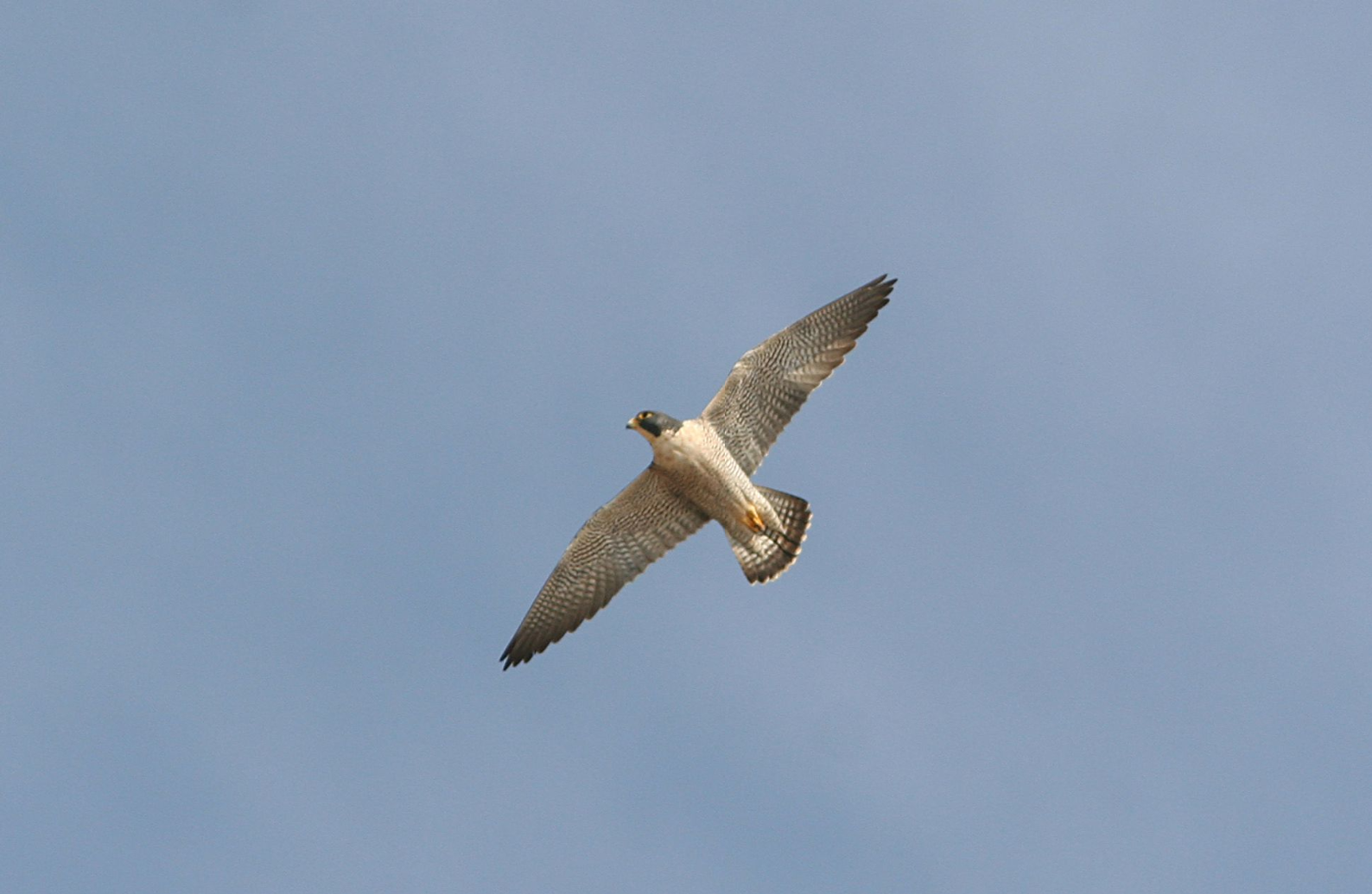
Perigrine Falcon Courtesy US FWS, Alan Schmierer, Photographer Perigrine Falcon
Courtesy US FWS, Alan Schmierer, Photographer

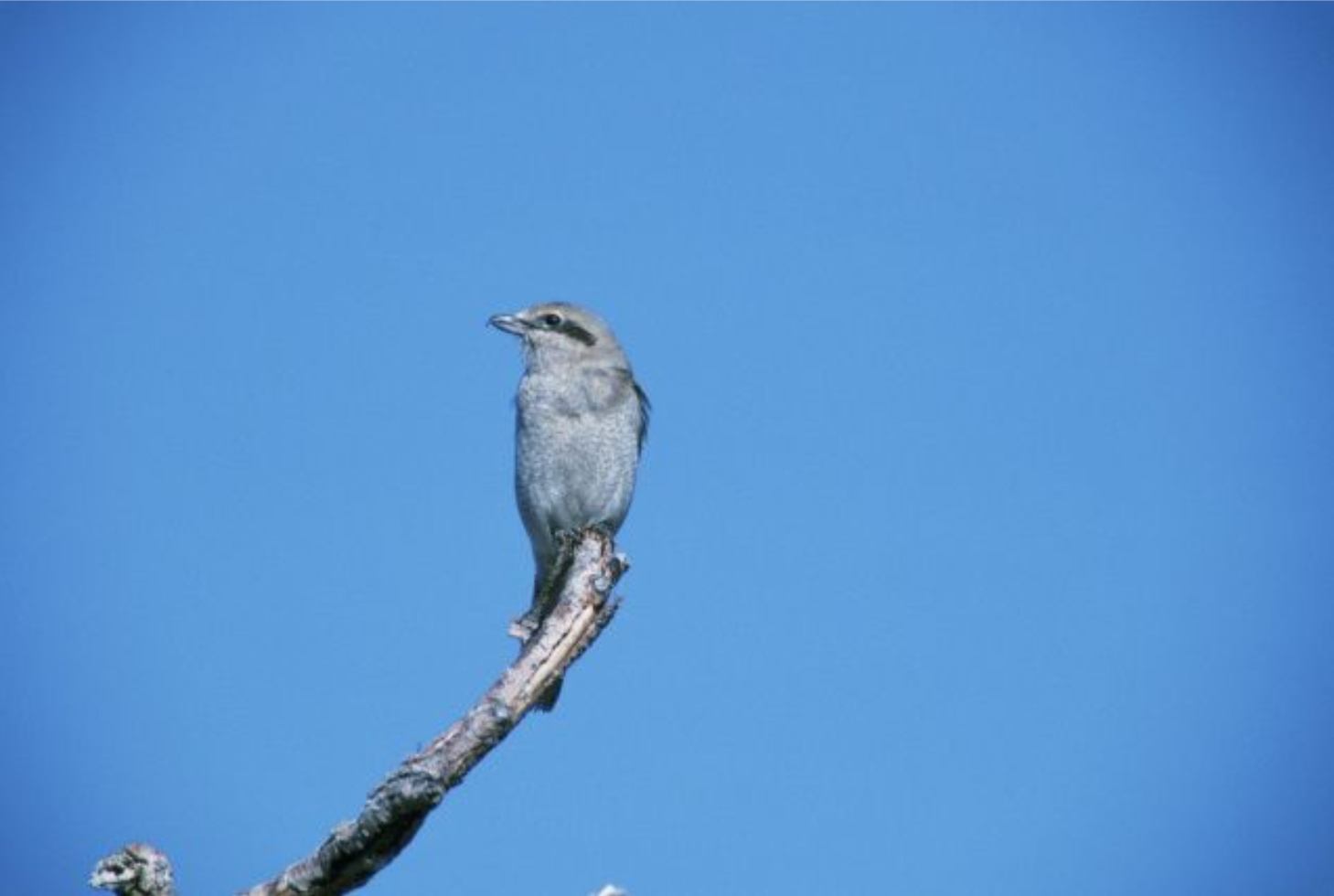
Northern Shrike Courtesy US FWS, Dave Menke, Photographer Northern Shrike
Courtesy US FWS, Dave Menke, Photographer

Robin with Chicks in Nest Courtesy US FWS, images.fws.gov James C. Leopold, Photographer Robin with Chicks in Nest
Courtesy US FWS, images.fws.gov
James C. Leopold, Photographer

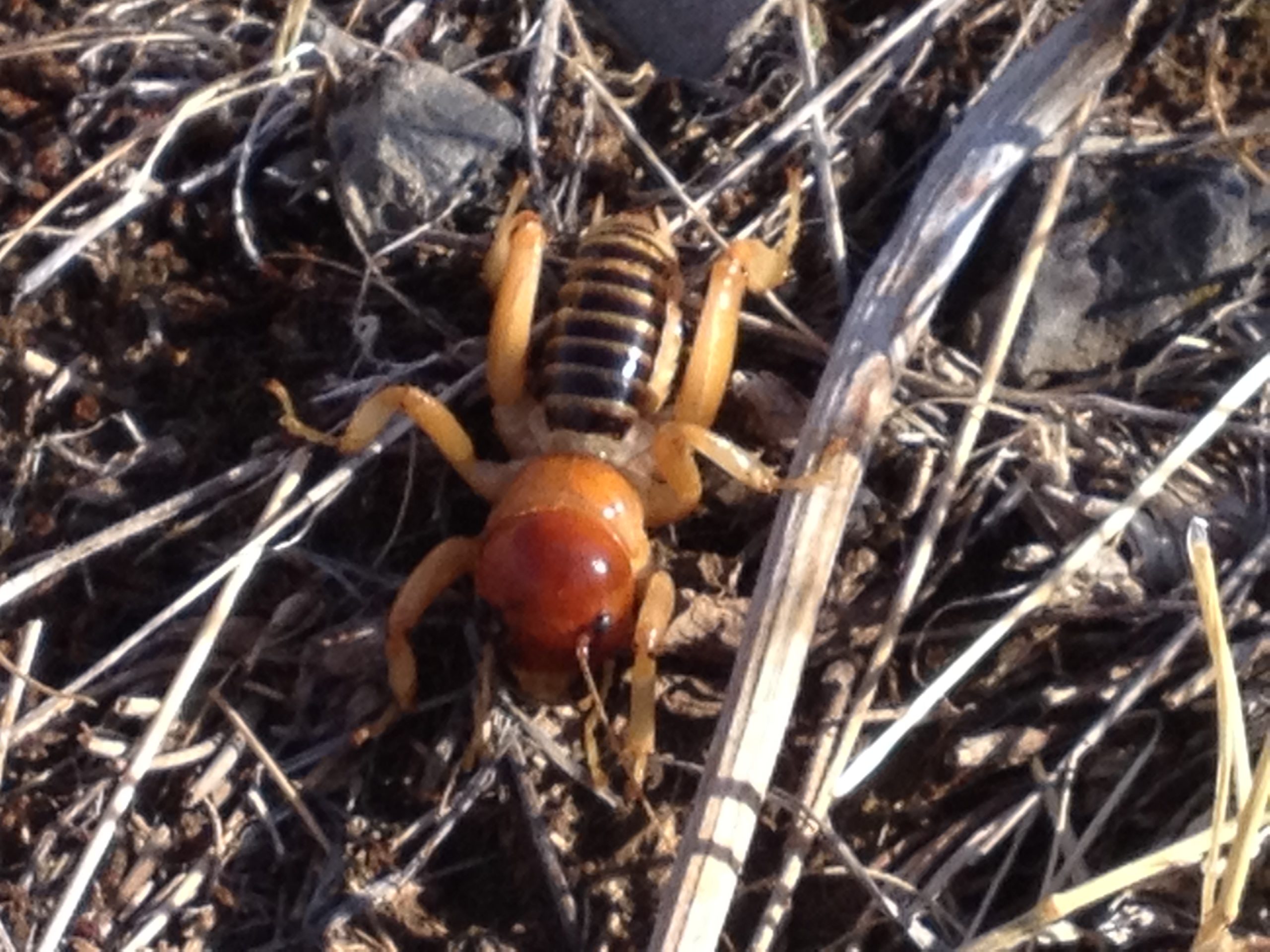
Jerusalem Cricket Orthoptera: Stenopelmatidae Copyright 2013 Holly Strand Jerusalem Cricket
Orthoptera: Stenopelmatidae
Copyright 2013 Holly Strand

A Wild Utah Thanksgiving: Wild Turkeys
Courtesy Pixabay, Public Domain Images Wild Turkeys
Courtesy Pixabay, Public Domain Images

Wild Turkeys: Wild Turkey Tom Courtesy Pixabay, Biggles55 Contributor & Photographer Wild Turkey Tom
Courtesy Pixabay
Biggles55 Contributor & Photographer

Wild Turkeys: Rio Grande Turkey Tom, Meleagris gallopavo, Courtesy US FWS, Robert H. Burton, Photographer, images.fws.gov Rio Grande Turkey Tom
Meleagris gallopavo
Courtesy US FWS
Robert H. Burton, Photographer
https://images.fws.gov

I’m Giving thanks for a Wild Utah, which is all around us- in our yards, downtown, and even in our homes. I will make my case with the following vignettes.

Box elder bugs are my nemesis, reproducing numbers far beyond what their predators can control. But my grandkids adore them. Calling them “Boxies”, they are enthralled with their “cute” little friends. They will make a home for them in a jar, making sure they’re comfortable and well fed with collected leaves.

While sauntering through Temple Square on a lovely June day, I was startled by the kee-kee-kee call of peregrine falcons. One lit atop Moroni’s head, which adorns the temple, soon to be joined by another. The elder missionary who had begun his missionary pitch to me was aghast as I explained the peregrine coupling on their sacred figure.

My grandkids and I were keeping track of a robins nest which had been built over our front door facing. Checking the eggs, which were near hatching, we discovered a great basin gopher snake had crawled up the vertical house wall for egg soufflé, devouring all four eggs. How in the world did this reptile even know there was a nest with eggs in this unusual location, and make the vertical climb to eat them? A natural wonder!

Our bird feeder is quite popular with predatory birds. We noticed a darling little saw-whet owl sitting in the tree where the feeder hung with a junco in its beak. On another occasion, my wife alerted me to a stellar jay sitting on a limb outside the kitchen window with a fat meadow vole dangling from its mouth.

A few weeks ago, my daughter texted me a photo of a mystery bird that had slammed into their window. What is this bird? A northern shrike was the victim- a rarity indeed. Fortunately, it recovered, hopefully without serious injury, to hunt her birds another day.

When our children were young, a Jerusalem cricket was discovered in the basement. These Tonka Toy-like insects are marvels- and very scary. It kept our children occupied for hours. On another occasion, we came home to find baby skunks had invaded us. One of our sons had found them near their road-killed mother and adopted them. These cute little critters soon adapted to our presence, and no one was sprayed, but they did harbor a skunky odor for some time, probably from their deceased mother.

Given the Thanks Giving season, I’ll wrap this up with turkeys. Downtown Logan had four tom turkeys who were causing mayhem with traffic at the Center and Main intersection. Our fearless law officer were called out to remediate the situation. Following an hour of frantic scramble, the officers were defeated, as were the turkeys, who found an open door for refuge in a butcher shop. True story.

Wishing you a Wild Utah Thanksgiving!

This is Jack Greene for Bridgerland Audubon Society, and I’m wild about this Utah!

Credits:
Picture: Peregrine Falcon, Courtesy US FWS, Alan Schmierer, Photographer
Picture: Northern Shrike, Courtesy US FWS Dave Menke, Photographer
Picture: Robin with Chicks, Courtesy US FWS, James C. Leopold, Photographer
Picture: Jerusalem Cricket, Copyright 2013 Holly Strand
Picture: Courtesy Pixabay, PublicDomainImages AND https://pixabay.com/photos/autumn-woodland-through-walking-387109/
Picture: Courtesy Pixabay, Biggles55 Contributor & Photographer,
Picture: Courtesy US FWS, Robert H Burton, Photographer https://images.fws.gov/
Audio: Courtesy & © Vince Guaraldi
Text: Jack Greene, Bridgerland Audubon, https://bridgerlandaudubon.org/
Additional Reading: Lyle W Bingham, Webmaster, and Jack Greene, Author, Bridgerland Audubon, https://bridgerlandaudubon.org/

Additional Reading:

Jack Greene’s Postings on Wild About Utah, https://wildaboututah.org/author/jack/

Greene, Jack, Wild Turkeys, Wild About Utah, November 22, 2021, https://wildaboututah.org/wild-turkeys/

Bingham, Lyle, Read by Linda Kervin, Wild Turkeys – Recently Moved to Utah, Wild About Utah, November 19, 2009, https://wildaboututah.org/wild-turkeys-recently-moved-to-utah/

Strand, Holly, Boxelder Bug Poetry, Wild About Utah, March 3, 2009, https://wildaboututah.org/boxelder-bug-poetry/

Kervin, Linda, Shrikes, Wild About Utah, October 31, 2013, https://wildaboututah.org/shrikes/

Ripple Effects: Enhance Backyard Birdwatching When You Feed & Protect Birds

Ripple Effects: Enhance Backyard Birdwatching When You Feed & Protect Birds: Downy Woodpecker Male at Bird Feeder Courtesy US FWS, Leah Schrodt, Photographer
[Downy Woodpecker Male at] Bird Feeder
Courtesy US FWS, Leah Schrodt, Photographer

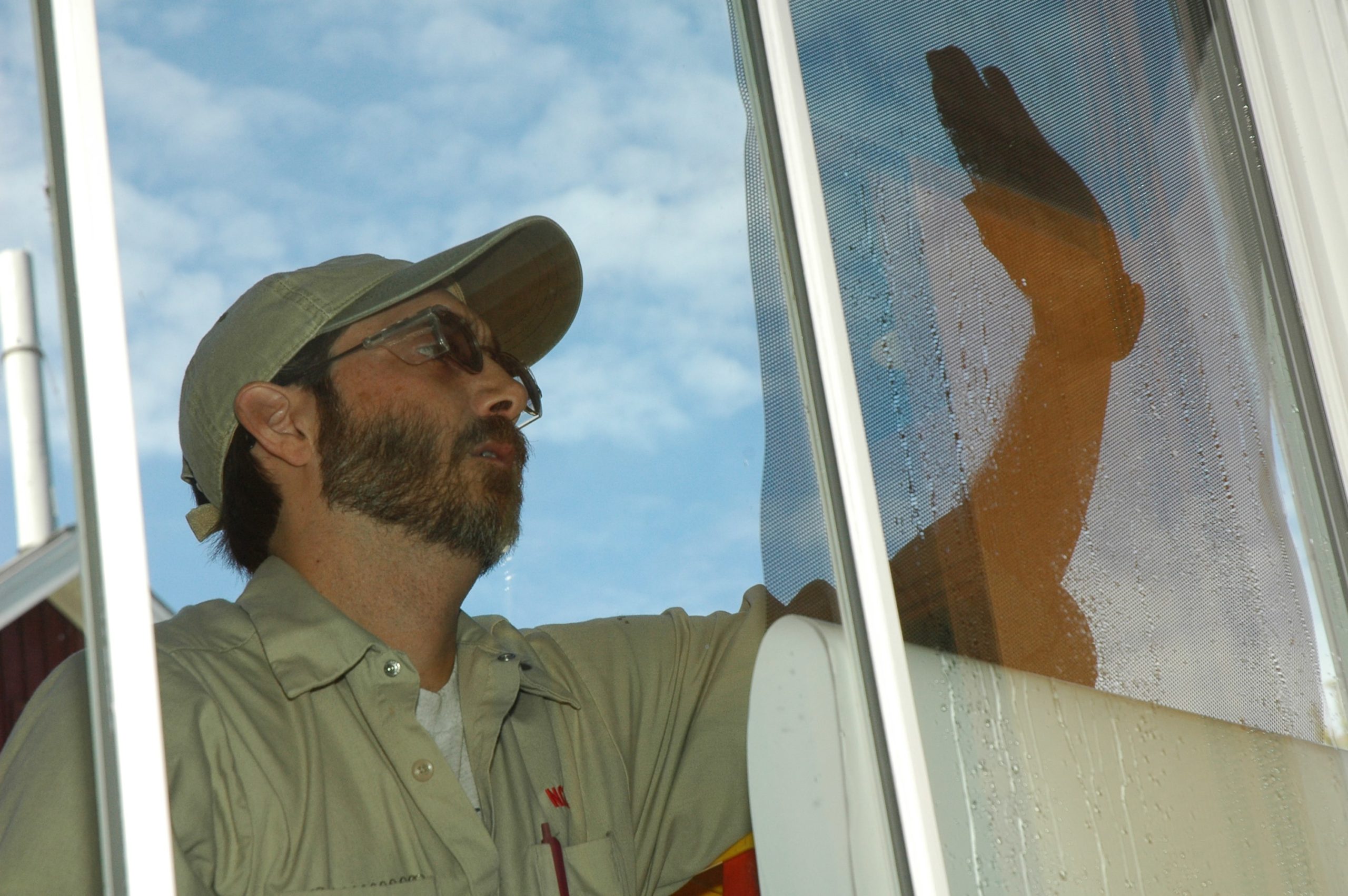
Applying Anti-Strike Film to Window Courtesy US FWS Brett Billings Photographer Applying Anti-Strike Film to Window
Courtesy US FWS
Brett Billings Photographer

Birdwatching is a fun hobby for all ages and it is a great way to connect with nature and increase self-efficacy, so let’s discuss the benefits and the importance of a safe environment for feeding our backyard birds. First, the benefits of supplemental feeding, and second, preventable deaths from cats and window collisions.

Supplemental food and water are important ways we can reduce stress for backyard birds, especially through the winter months. Sites with bird feeders attract more birds over time than those without feeders, and the birds are in overall greater health than birds at sites without feeders. A higher percentage of chicks hatch at sites with bird feeders, and the survival rates are significantly higher, but supplemental feeding must be done in a safe environment.

Free ranging domestic cats and window collisions are leading causes of bird deaths in North America. The American Bird Conservancy estimates that outdoor cats kill approximately 2.4 billion birds every year in the United States alone. Approximately one billion birds are dying from window collisions each year in North America – that represents about ten percent of our birds dying from crashing into windows (1), and combined, that’s over three billion fewer insect eaters, fewer pollinators, fewer seed spreaders, and fewer parents for the next generation.

Cats should be kept indoors, and windows should be treated, especially if they reflect trees and shrubs. If you have seen a ghostly bird imprint or heard the sickening thump of a bird hitting your windows, then those are windows in need of treatments such as screens, translucent UV tape, or even tempera paint designs, because even birds that manage to fly away have potentially life-threatening internal injuries. Feeders less than 3 feet away don’t allow birds to build up too much speed before they collide, so it’s good to put feeders and birdbaths 3 feet or closer to a window or greater than 30 feet away.

Feeders placed on or near windows have the added benefit of being easy to access and monitor. In addition to a window suet feeder, one of my favorite window feeders is actually a clear plastic suction-cup toothbrush cup holder from the dollar store – it’s easy to clean and there’s no need for binoculars!

In addition to enhancing a backyard bird watching hobby and improving bird health and survival, the ripple effects of feeding birds, keeping cats indoors, and preventing window collisions include pest control in our gardens where birds feast on slugs, snails, aphids and grasshoppers. I for one particularly appreciate Black-billed Magpies when they remove wasp nests from my house! The Bridgerland Audubon website has tools, coloring pages, checklists, and science-based information on window collision prevention. Solutions can be as simple as the careful placement of bird feeders and keeping cats indoors. Find us at bridgerlandaudubon.org, that’s Bridgerland Audubon – A-U-D-U-B-O-N dot org.

I’m Hilary Shughart, and I’m wild about Bridgerland Audubon, wild about Utah Public Radio, and Wild About Utah!Supplemental food and water are important ways we can reduce stress for backyard birds
Credits:
Images: Courtesy US Fish & Wildlife Service, Leah Schrodt and Brett Billings, Photographers
Featured Audio: Courtesy & Copyright © Kevin Colver, https://wildstore.wildsanctuary.com/collections/special-collections/kevin-colver
Text: Hilary Shughart, President, https://bridgerlandaudubon.org/
Additional Reading: Hilary Shughart and Lyle Bingham, https://bridgerlandaudubon.org/

Additional ReadingSupplemental food and water are important ways we can reduce stress for backyard birds
WildAboutUtah pieces by Hilary Shughart, https://wildaboututah.org/author/hilary-shughart/

Procure Bird Seed from local Audubon Chapters:
Great Salt Lake Audubon
2022 Seed Sale: https://greatsaltlakeaudubon.org/events/fall-2022-seed-sale-fundraiser
Bridgerland Audubon
Other Statewide Birding Groups

Hellstern, Ron, Build a Certified Wildlife Habitat at Home, Wild About Utah, July 17, 2017, https://wildaboututah.org/build-community-wildlife-habitats/

Hellstern, Ron, Attracting Birds and Butterflies to Your Yard, Wild About Utah, May 28, 2018, https://wildaboututah.org/attracting-birds-and-butterflies-to-your-yard/

Beorchia, Mykel, How To Create a Bird Friendly Yard, Wild About Utah, November 9, 2020, https://wildaboututah.org/how-to-create-a-bird-friendly-yard/

Shughart, Hilary, To Grow Your Own Bird Food, Native Plants Are Key!, Wild About Utah, April 12, 2021, https://wildaboututah.org/native-plants-are-key/

Kervin, Linda, Bird Feeding, https://wildaboututah.org/bird-feeding/

Kervin, Linda, Cane, Jim, Feed the Birds, Wild About Utah, December 1, 2011, https://wildaboututah.org/feed-the-birds/

Creating Landscapes for Wildlife… A Guide for Backyards in Utah, Written by Sue Nordstrom and Illustrated by Kathlyn Collins Department of Landscape Architecture and Environmental Planning, Utah State University with Margy Halpin, Utah Division of Wildlife Resources; Second Printing 2001,
Updated for the Utah Division of Wildlife Resources, by Frank Howe, DWR Avian coordinator; Ben Franklin, DWR–Utah Natural Heritage Program botanist; Randy Brudnicki, DWR publications editor; and landscape planning illustrations by Stephanie Duer.,
Published by:
State of Utah Natural Resources, Division of Wildlife Resources,
Utah State University Cooperative Extension Service and
Utah State University Department of Landscape Architecture and Environmental Planning;
1991 updated 2001 https://wildlife.utah.gov/pdf/landscapingforwildlife.pdf

Sizemore, Grant, Cats Indoors–Cats and Birds, American Bird Conservancy, https://abcbirds.org/program/cats-indoors/cats-and-birds/

Bird-Strike Prevention: How to Stop Birds From Hitting Windows, American Bird Conservancy, https://abcbirds.org/glass-collisions/stop-birds-hitting-windows/

Messmer, Terry, Cowell, Samuel, Dietrich, Dietrich, and Sullivan, Kimberly, Ask an Expert: Seven Tips to Keep Birds from Hitting Your Windows, Utah State University Extension, March 28, 2017, https://extension.usu.edu/news_sections/agriculture_and_natural_resources/bird-windows

Cowell, Samuel, Dietrich, Dietrich, Sullivan, Kimberly and Messmer, Terry, Reducing the Risk of Birds Colliding into Windows:
A Practical Guide for Homes and Businesses [NR/Wildlife/2017-01pr], Utah State University Extension, March 2017, https://digitalcommons.usu.edu/cgi/viewcontent.cgi?article=2682&context=extension_curall

Klem, Jr., Daniel, Solid Air: Invisible Killer: Saving Billions of Birds from Windows, Hancock House Publishers, October 5, 2021, https://www.amazon.com/Solid-Air-Invisible-Killer-Billions/dp/0888396465

For the Birds (Download Brochure PDF), US Fish & Wildlife Service, U.S. Department of the Interior, rev March 2001, https://digitalmedia.fws.gov/digital/api/collection/document/id/1107/download

Morse, Susan, To Feed or Not to Feed Wild Birds–Bird Feeders Can Be Sources of Joy — and Disease,, US Fish & Wildlife Service, U.S. Department of the Interior, https://www.fws.gov/story/feed-or-not-feed-wild-birds

Make Your Home a Safe, Healthy Home for Birds,, US Fish & Wildlife Service, U.S. Department of the Interior, Sep 13, 2021, https://www.fws.gov/story/2021-09/backyard-birds

Celley, Courtney, Helping wildlife while avoiding common pitfalls,, US Fish & Wildlife Service, U.S. Department of the Interior, https://www.fws.gov/story/helping-wildlife-while-avoiding-common-pitfalls

West Nile virus bird identification, , Utah Division of Wildlife Resources, October 20, 2017, https://wildlife.utah.gov/bird-identification.html

Dragon, Sydney, (Student Conservation Association intern), Conservation in Urban Areas: Backyard Bird Feeding, US Fish & Wildlife Service Bird Walks (Texas), U.S. Department of the Interior, Apr 27, 2021, https://youtu.be/2bkliew6aj8

Our Mormon Crickets

Mormon Cricket female Anabrus-simplex Courtesy & Copyright Shannon Rhodes, Photographer
Mormon Cricket female
Anabrus-simplex
Courtesy & Copyright Shannon Rhodes, Photographer
Children’s author George Selden described the impact of a cricket’s chirping in the bustle of a subway station in his book “The Cricket in Times Square” like this: “Like ripples around a stone dropped into still water, the circles of silence spread out. …Eyes that looked worried grew soft and peaceful; tongues left off chattering; and ears full of the city’s rustling were rested by the cricket’s melody.” Combine this musical talent with Jiminy Cricket’s gentle reminder to always listen to my conscience, and it is no wonder that I would drift to sleep on summer evenings enamored with cricket songs. How, I thought, could such a beautifully-sounding insect be the villain in Utah’s legend we know as the Miracle of the Gulls, memorialized in Minerva Teichert paintings and Temple Square monuments?

Decades later, near Fremont Indian State Park, I met a Mormon cricket for the first time. I cringed as I watched thousands of these creatures hopping across the mountain path that afternoon, and I understood how merciful those California gulls must have seemed, swooping in to gobble up the insects, as the Mormon pioneers struggled to develop a defensive, crop-saving plan as newcomers to this land.

Mormon Cricket female Anabrus-simplex Courtesy & Copyright Shannon Rhodes, Photographer
Mormon Cricket female
Anabrus-simplex
Courtesy & Copyright Shannon Rhodes, Photographer
Utah settler Mrs. Lorenzo Dow Young captures a bit of the incident in her 1848 journal entry: “May 27: …today to our utter astonishment, the crickets came by millions, sweeping everything before them. They first attacked a patch of beans…, and in twenty minutes there was not a vestige to be seen. They next swept over peas…; took everything clean.” These hordes of insects were not new to the area, however, as we know that explorer Peter Skene Ogden noted “crickets by millions” in his 1825 journal account over 20 years earlier.

Did you know that Mormon crickets are not crickets, grasshoppers, or cicadas, but large shield-backed katydids that walk or hop rather than fly? Their smooth, shiny exoskeleton can be a variety of colors and patterns, like the reddish-brown female I chased and studied this summer in Fishlake National Forest. They have long antennae, and each female has what looks like a long curving stinger extending from her abdomen. This ovipositor allows her to deposit 100 eggs or more that look like gray or purple rice grains just below the soil surface. The males, on the other hand, lack this structure, but they “sing” as a way to attract females, and reward their mates with protein-packed spermatophore prizes.

Katydid or bush cricket Courtesy & Copyright Shannon Rhodes, Photographer
Katydid or bush cricket
Courtesy & Copyright Shannon Rhodes, Photographer
These insects can be solitary mountain-dwellers but make headlines when they swarm in huge bands, marching in one direction as omnivores, in search of anything to eat: cultivated crops, succulent forbs, sagebrush and other shrubs, other insects, and even their own kind. Researchers tracking migrations determined they can travel more than 50 miles in a summer, perhaps a mile a day, and for many, including those early Utah settlers and others hoping to shield crops from Mormon cricket devastation, it is a sign of relief to see the last one for the season. They do make for a great story, though.

For Wild About Utah, I’m Shannon Rhodes.

Credits:
Images: Courtesy & Copyright Shannon Rhodes, Photographer
Audio: Courtesy & © Kevin Colver https://wildstore.wildsanctuary.com/
Text:     Shannon Rhodes, Edith Bowen Laboratory School, Utah State University https://edithbowen.usu.edu/
Additional Reading Links: Shannon Rhodes

Additional Reading:

Anderson, Rebecca. Miracle of the Crickets. Utah Humanities. 2011.
https://www.utahhumanities.org/stories/items/show/223

Capinera, John and Charles MacVean. Ecology and Management of Mormon Cricket. Department of Entomology Colorado State University. 1987.
https://www.nativefishlab.net/library/textpdf/17378.pdf

Church of Jesus Christ of Latter-day Saints. Crickets and Seagulls. https://www.churchofjesuschrist.org/study/history/topics/crickets-and-seagulls?lang=eng

Cowan, Frank. Life History, Habits, and Control of the Mormon Cricket. United States Department of Agriculture. 1929. https://naldc.nal.usda.gov/download/CAT86200155/PDF

Hartley, William. Mormons, Crickets, and Gulls: A New Look at an Old Story. 1970. https://issuu.com/utah10/docs/uhq_volume38_1970_number3/s/107089

Kent State University. Study Reveals Mass Migration Of Mormon Crickets Driven By Hunger, Fear. ScienceDaily. ScienceDaily.com, 2 March 2006. https://www.sciencedaily.com/releases/2006/03/060302174524.htm

National Geographic. Giant Swarm of Mormon Crickets. https://www.youtube.com/watch?v=Yy3dQJYquoY

Palmer, Matt. Get a Jump on Mormon Cricket and Grasshopper Management. https://extension.usu.edu/pests/slideshows/ppt/03sh-insects-mc.pdf

Selden, George, and Garth Williams. The Cricket in Times Square. New York: Ariel Books, 1960. https://www.amazon.com/Cricket-Times-Square-Chester-Friends/dp/0312380038

University of Wyoming. Mormon Cricket Biology and Management poster. https://owyheecounty.net/wp-content/uploads/2018/06/MormonCricketbiologymgmtposteruofWYB1191.pdf

The Wild Episode. Mormon Cricket: The Cannibal Swarm.
​​https://thewildepisode.com/2020/12/11/mormon-cricket-the-cannibal-swarm/

Wild About Utah Posts by Shannon Rhodes https://wildaboututah.org/author/shannon-rhodes/

Andersen, Rebecca, Miracle of the Crickets, Utah Stories from the Beehive Archive, 2011, accessed June 9, 2024, https://www.utahhumanities.org/stories/items/show/223

I’m At Home in the Dark

At Home in the Dark: Western Screech Owl Fledgling Courtesy and Copyright Katarzyna Bilicka, Photographer
Western Screech Owl Fledgling
Courtesy & © Katarzyna Bilicka, Photographer
All year I wait for the summer evenings. All year I long for the oddity of ‘warm and dark,’ of trilling owls flickering from treetop to treetop, and for the scent of hot baked earth cooling as on a sill. Summer evenings evoke in me joy in being out of doors, living within the intact Eden which lies just below our own preconceptions, and deepening my appetite for life. Summer evenings, those dark arid cradles of Utah’s providence, have other benefits, too.

It’s in the dark that you can live in the footsteps of local literatos. We can heed the words of Utah’s Ed Abbey, that: “There’s another disadvantage to the use of the flashlight: like many other mechanical gadgets it tends to separate a man from the world around him. If I switch it on my eyes adapt to it and I can see only the small pool of light it makes in front of me; I am isolated. Leaving the flashlight in my pocket where it belongs, I remain a part of the environment I walk through and my vision, though limited, has no sharp or definite boundary.”

It is also in the dark that we can allow our eyes a rest from glowing rectangles, and for the rest of our navigational senses to pick up slack. Our ears listen for how sound meanders in the landscape, detecting the clitter clatter of dogs on the deck, or chickens working their scratch. Our nose picks up the scent of a neighbor’s firepit to the east, and when the wind shifts the humidity from another neighbor’s evening watering to the west.

It is in the dark that we can also learn to see that we share spaces with corpuscularities and nocturalites. Those trilling owls, Western Screech Owls to be exact, who emerge from their deadstand cavities and prowl for rodenta. When one spots a human watching it, it watches back, then dances a shimmy-rumba-polka. I imagine that it’s waiting for us to communicate, too.

The dark also brings the insects galore which fill the nights making good on their pollination out of the heat of the day, playing odds with the primroses and their opening hours, and some finding the blood meal they need from undeeted legs, arms, head, feet, and neck. Friends will tell you when there’s a mosquito on your face. Good friends will smack your face for you.

Lastly, the dark gives us our stars. I often need to remind myself that it isn’t that they are out at night, but that they are just no longer obscured by the light of day. The stars are always there, but in day they are dimmed into the blue sky void, and in our city nights given mute by our love of lights which would make Lycurgus roll over in his simple, unmarked grave. That said, they are still there for us to see as we have for as long as life has existed on this earth, but only if we choose to see them. Long ago, looking up and wondering was our choice, and luckily it still is today.

So as your summer progresses and perhaps you find yourself in need of a sigh of relief from woe, I’d invite you to leave your flashlights, glowing rectangles, and worries inside. Step out of doors at dusk and stay into the evening. Hear the music and laughter of a party down the block. Smell the tapestry of worlds that is held in the wind. Feel the mosquitos live because you live. Choose to look up and see infinity in the stars. Know that the dark is not a scary place to be if you learn to see it for what it is and can be.

I’m Patrick Kelly, and I’m Wild About Utah.
 
Credits:

Images: Image Courtesy & Copyright Katarzyna Bilicka, Photographer, all rights reserved
Audio: Contains audio Courtesy & Copyright Friend Weller, Utah Public Radio
Text:    Patrick Kelly, Director of Education, Stokes Nature Center, https://logannature.org
Included Links: Lyle Bingham, Webmaster, WildAboutUtah.org

Additional Reading

Wild About Utah, Posts by Patrick Kelly

Stokes Nature Center in Logan Canyon, https://www.logannature.org/

Abbey, Edward. Desert Solitaire. Touchstone (January 15, 1990) https://www.amazon.com/Desert-Solitaire-Edward-Abbey/dp/0671695886

Western Screech Owl, Overview, All About Birds, The Cornell Lab of Ornithology, https://www.allaboutbirds.org/guide/Western_Screech-Owl/overview

Western Screech Owl, Utah Birds, https://www.utahbirds.org/birdsofutah/ProfilesS-Z/WesternScreechOwl.htm
Featured Article by Eric Huish: https://www.utahbirds.org/featarts/2004/OwlBox/OwlBox1.htm
Gallery Pictures: https://www.utahbirds.org/birdsofutah/BirdsS-Z/WesternScreechOwl.htm