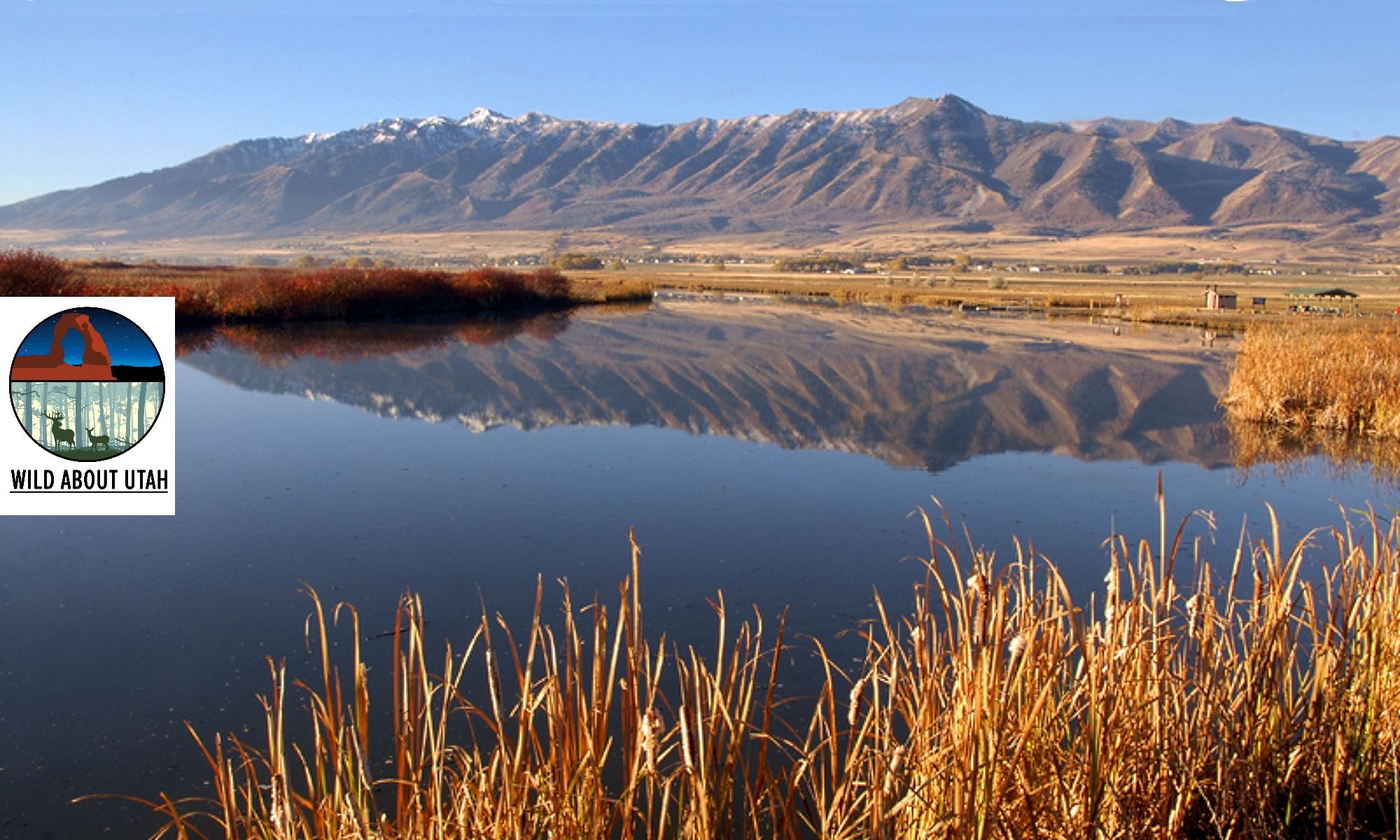
Sacred Mountains

Sacred Mountains: White Pine Lake hike., Courtesy & Copyright Hilary Shughart
White Pine Lake hike., Courtesy & Copyright Hilary Shughart

Sacred Mountains: Devil's Staircase, Tony Grove, Courtesy & Copyright Hilary Shughart Devil’s Staircase, Tony Grove, Courtesy & Copyright Hilary Shughart

Sacred Mountains: False Hellebore/Corn lily (Veratrum californicum), Tony Grove, Courtesy & Copyright Hilary Shughart False Hellebore/Corn lily (Veratrum californicum), Tony Grove, Courtesy & Copyright Hilary Shughart

White Pine Lake and Mount Magog, Courtesy & Copyright Hilary Shughart White Pine Lake and Mount Magog, Courtesy & Copyright Hilary Shughart

Police Car Moth on Rob Garrett's thumb, White Pine Lake hike. Courtesy & Copyright Hilary Shughart Police Car Moth on Rob Garrett’s thumb, White Pine Lake hike.
Courtesy & Copyright Hilary Shughart

Elephanthead Lousewort (Pedicularis groenlandica), White Pine Lake hike. Courtesy & Copyright Hilary Shughart Elephanthead Lousewort (Pedicularis groenlandica), White Pine Lake hike.
Courtesy & Copyright Hilary Shughart

Rob & Jack & big tree, Limber Pine hike Courtesy & Copyright Hilary Shughart Rob & Jack & big tree, Limber Pine hike
Courtesy & Copyright Hilary Shughart

Beaver Dam at USU Forestry Camp (LCFS hike) Courtesy & Copyright Hilary Shughart Beaver Dam at USU Forestry Camp (LCFS hike)
Courtesy & Copyright Hilary Shughart

Jack in 560 year old Limber Pine tree 7/27/16 Courtesy & Copyright Hilary Shughart Jack in 560 year old Limber Pine tree 7/27/16
Courtesy & Copyright Hilary Shughart

I just completed teaching a 5 day Utah Master Naturalist course through USU extension on Utah mountains. The course allowed me to revisit the immense influence these lofty lumps in the earth’s crust have had on my life, and the life of so many others.

It was mountains that drew me here from the flatlands of Michigan. They have become my main source of spiritual renewal, of aesthetic pleasure and recreation. I run, ski, and hike their trails, explore their hidden canyons and forests, revel in the rich tapestry of wildlife and wildflowers that adorns their slopes, and at present, need I say, seek relief from summer’s heat.

Having served 11 seasons as a seasonal Wilderness ranger for the USFS, I was able to explore much of the backcountry in the Bear River and Wellsville mountains of N. Utah. Beyond these, I’ve been atop Kings peak, the Lasals, Abajos, Cedar and Pine Valley Mountains, the Raft Rivers, and many of our high plateaus. But this is small potatoes considering Wikipedia lists 65 others yet to be explored in our state.

Mountains are what we are. Without them, Brigham Young and the Saints would have continued their exodus on to other parts of the west for the rich resources they bless us with.
Mountains = water. This liquid gift provides over 80% of Utah’s water as they do for most other western states. In the early years, they offered timber and rock for structures, including temples, tabernacles, and other historic buildings. Cool breezes followed canyons down to give relief from intense summer heat, and grew forage for cattle and sheep. The Oquirrh mountains on the west edge of Salt Lake valley are host to one of the world’s richest mines yielding approximately 25 percent of the country’s copper, 12 tons of gold, and 120 tons of silver each year.

Going beyond Utah and the west, it is water from mountain glaciers that support over 2 billion people in India, China and several middle east/Eurasian countries. With rapidly receding glaciers from a warming planet, this has become a grave concern.
On a lessor note, I recently accompanied a group of college students on a YNP pica inventory to follow their population trends as they are being impacted by a changing climate.
I’ll conclude with an 1877 quote from early American naturalist John Muir upon first entering the Salt Lake valley.

“The mountains rise grandly round about this curious city, the Zion of the new Saints, so grandly that the city itself is hardly visible. The Wasatch range, snow-laden and adorned with glacier-sculpted peaks, stretches continuously along the eastern horizon, forming the boundary of the Great Salt Lake basin; while across the valley of the Jordan southwestward from here, you behold the Oquirrh Range, about as snowy and lofty as the Wasatch.

The glacial developments of these superb ranges are sharply sculpted peaks and crests, with ample wombs between them where the ancient snows of the glacial period where collected and transformed into ice, and ranks of profound shadowy canyons, while moraines commensurate with the lofty fountains extend into the valleys, forming far the grandest series of glacial monuments I have yet seen this side of the Sierra.”

This is Jack Greene reading and writing for Wild About Utah.

Sacred Mountains-Credits:
Images: Courtesy and Copyright Hilary Shughart
Text: Jack Greene, Bridgerland Audubon Society
Sacred Mountains-Additional Reading:

Wasatch Mountains, History to Go, Utah.gov, https://historytogo.utah.gov/utah_chapters/the_land/wasatchmountains.html

Geology of Utah, History to Go, Utah.gov, https://historytogo.utah.gov/utah_chapters/the_land/geologyofutah.html

Logan Ranger District, USDA Forest Service, https://www.fs.usda.gov/recarea/uwcnf/recarea/?recid=8985

Hylland, Rebecca, What are Igneous, Sedimentary & Metamorphic Rocks?, Glad You Asked, Utah Geological Survey, https://geology.utah.gov/map-pub/survey-notes/glad-you-asked/igneous-sedimentary-metamorphic-rocks/

Sacred Mountains-Top

Pioneer Day Edible Native Plants 2016

Mountain big sagebrush (Artemisia tridentata subsp. Vaseyana) in flower - Photo Courtesy and Copyright Dr. Leila Shultz
Mountain big sagebrush (Artemisia tridentata subsp. Vaseyana) in flower – Photo Courtesy and Copyright Dr. Leila Shultz


With Pioneer Days looming, let’s explore a bit of our local heritage.

Following several days of cold and snowy weather in early May, my friend and USU graduate student Ian Keller and I approached the Mormon Handcart outpost near Evanston Wyoming on Deseret Land & Livestock Company land. We braved the elements to deliver a seminar to 8 missionary couples on Mormon pioneer use of wild plants as they struggled toward the Promised Land of Salt Lake Valley.

Ian’s graduate work encompasses this topic. Some of what follows is from his good work combined with others later mentioned. And we must not overlook the origins of this knowledge which came from the native peoples, acquired through thousands of years of trial and error.

(I must add that following our seminar we feasted on a variety of sumptuous foods the missionaries had prepared from pioneer recipes!)

I’ll begin with a remarkable plant big sage brush or Artemisia tridentate, which was their constant companion for much of the journey.

Medicinal uses included treatment for headache, diarrhea, sore throat, vomiting and even bullet wounds. Tea made from leaves was used for hair tonic and a poultice for bee stings.

“Brighan Young advised gathering and drying it for winter medicinal purposes. From a pioneer journal- “We washed our hair in sage tea, sage tea is good to cure night sweats”. And from Phil Robinson, 1883- “Someday perhaps a fortune will be made of it, but at present its chief value seems to be as a moral discipline to the settler and as cover for the sage hen.”

Dandelions, Photo Copyright 2002 Roger Banner, Intermountain Herbarium, USU
Dandelions
Copyright © 2002 Roger Banner, Intermountain Herbarium, USU


Another plant that rarely gets its due, the common dandelion.
For Dandelion Salad- “Gather the tender young plants of the dandelion. Wash and cut up into a salad. Serve with dressing oil, or just with salt and pepper.”— Ilene Kingsbury.

And from Larry A. Sagers, USU Extension Horticulture Specialist in the Thanksgiving Point Office-
Thistles that we now curse were once highly prized by the pioneers. One early pioneer wrote, “I used to eat thistle stalks until my stomach would be as full as a cow’s.”
The young leaves of stinging nettles were also used as greens. The cooking destroyed the irritating parts that affect the skin.
Camas bulbs for which Kamas, Utah, was named, were also used for food. The bulbs were eaten or a crude molasses was made from boiling the bulbs. Unfortunately, if too many of the bulbs were consumed they could cause severe illness. The bulbs also grow in proximity with death camas, so this particular plant involves certain risks to the user.

Tall Thistle (Cirsium altissimum), Photo Courtesy NPS, Kelly Manktelow, Photographer
Tall Thistle
(Cirsium altissimum)
Aster family (Asteraceae) in flower
Photo Courtesy NPS,
Kelly Manktelow, Photographer
The pioneers also used grease wood sprouts and other plants to supplement their meager diet.
Gooseberries, strawberries, raspberries and currants grew in the mountains and were highly prized. Chokecherries were a favorite for preserves and jellies.
A recent book by Brock Cheney “Plain but Wholesome: Foodways of the Mormon Pioneers.” is a delightful book with many pioneer plant stories and recipes, as is Dr. Wesley P. Larsen’s “Field Folio of Indian and Pioneer Medicinal Plants”.

Perhaps your Pioneer Day’s activities will include preparing a recipe from one of these sources to garnish your picnic! And let us include the plants which garnished our pioneers with flavor if not survival during their epic trek!

Jack Greene, Smithfield Utah

Credits:

Pictures: Courtesy and Copyright Dr. Leila Shultz
Copyright © 2002 Roger Banner, Intermountain Herbarium, USU
Courtesy NPS,
Kelly Manktelow, Photographer
Text: Jack Greene, Bridgerland Audubon Society

Additional Reading:

Brock Cheney, Plain but Wholesome: Foodways of the Mormon Pioneers, https://www.amazon.com/Plain-but-Wholesome-Foodways-Pioneers/dp/1607812088

Wesley P. Larsen, Field Folio of Indian and Pioneer Medicinal Plants,
https://www.amazon.com/Field-Indian-Pioneer-Medicinal-Plants/dp/B007HFR7A2

Butterflies

Click to view a closer view of Andrea Liberatore's photograph of a Monarch butterfly (Danaus plexippus).  Courtesy and Copyright 2009 Andrea Liberatore, Photographer
Monarch Butterfly
Danaus plexippus
Courtesy & Copyright 2009
Andrea Liberatore, Photographer


Click to view a closer view of a Monarch butterfly caterpillar, (Danaus plexippus), Courtesy US FWS, images.fws.govMonarch Butterfly Caterpillar
Danaus plexippus
Courtesy US FWS, images.fws.gov

Click to view a closer view of a Monarch butterfly chrysalis (Danaus plexippus).  Courtesy NASA JPL, climate.nasa.gov, Plant a butterfly garden!, Climate Kids: Earth NowMonarch Butterfly Chrysalis
(Enlarged)
Danaus plexippus
Courtesy NASA JPL, climate.nasa.gov
Plant a butterfly garden!
Climate Kids: Earth Now


Click to view a closer view of Andrea Liberatore's photograph of Gene Nieminen's photograph of Monarch butterflies resting during migration.  Courtesy US FWS, Gene Nieminen, PhotographerA Rest Stop During the
Monarch Butterfly Migration
Courtesy US FWS, images.fws.gov
Gene Nieminen, Photographer

Painted Lady Butterfly, Click to view of a Painted Lady Butterfly, Courtesy US FWSPainted Lady Butterfly
Click to view of a Painted Lady Butterfly, Courtesy US FWS

Viceroy Butterfly, Click to view the butterflies page from Lee Metcalf National Wildlife Refuge, MontanaViceroy Butterfly
Click to view the butterflies page from Lee Metcalf National Wildlife Refuge, Montana

Rivaling flowers and tropical fish in their beauty, butterflies or lepidopterans, have been icons of peace and reverence for millennia. There are eight different families to which butterflies belong- at least 250 species of which are found in Utah.

Fortunately, these beauties have been inherently resilient. This resiliency comes from a host of survival strategies. Loss of habitat, misuse of Insecticides, and climate change are the primary threats to their future.

It was from early elementary school that I learned of their amazingly complex metamorphosis, commonly used as a metaphor for a transformative experience by many- merging from a destructive plant eating caterpillar to an adult plant propagating pollinator.

Two of the most celebrated butterflies are the migrating Monarchs and Painted Ladies. Their extraordinary journey involves many generations that fly unerringly to distant destinations.​
On to some remarkable survival strategies.

Called Batesian Mimicry, Viceroy’s are protected because their avian predators’ mistaken identity with the yucky tasting Monarch’s.

In order to protect themselves, many butterfly species have wing coloration and patterns for camouflage and mimicry- large eye spots which frighten predators away or mimic their host plants. Often, their caterpillars do so as well.

In Utah, there are several species of butterflies from the Gossamer-wings family whose caterpillars have a unique relationship with ants. These caterpillars secrete a liquid containing sugars and amino acids which help sustain the ants. In turn, the ants tend the caterpillars protecting them from any would-be predators similar to their relationship with aphids. A study found that “Ant-tended larvae were 4 to 12 times more likely to survive to pupation than an otherwise similar group of untended larvae.”)

Most butterfly females lay around 300 eggs in their brief existence. The few that survive inclimate weather, predation, parasitism, genetic defect, crop spraying, etc., will provide enough offspring to support adults for the next generation. If butterflies didn’t have natural enemies such as spiders, birds, earwigs, wasps, etc. to keep their population numbers in check, natural systems would soon be overwhelmed.

Most butterflies have a season–usually in the winter–where they hibernate or diapause until spring. They are tightly associated with their larval hostplants. One of the remarkable butterflies of Utah’s Mojave Desert is the Pima orange tip. Their pupae are both photoperiod sensitive and moisture sensitive. If the Mojave Desert does not get sufficient moisture somewhere in the window of time between ~January 1 and ~February 15, none of the three known hostplants of this butterfly will not germinate in sufficient numbers.

If their chrysalis doesn’t sense sufficient humidity, it will extend its diapause another year and repeat its cycle of critically analyzing humidity during the same time frame as it did a year before. In the lab, pupae of the Pima orange-tip have been known to survive up to 11 years before emerging because these critical parameters were not met.

The next time you go birding, include these wined beauties in you binocular’s view!

This is Jack Greene reading for “Wild About Utah”

Credits:

Pictures: Courtesy
      Andrea Liberatore, Photographer
      US FWS,
      NASA JPL
      US FWS, Gene Nieminen, Photographer
      US FWS, Lee Metcalf National Wildlife Refuge
Text: Jack Greene, USU Sustainability & Bridgerland Audubon Society

Additional Reading:

North American Butterfly Association, https://www.naba.org/

Butterfly Conservation, The Xerces Society for Invertebrate Conservation, https://www.xerces.org/endangered-species/butterflies

NRCS Working Lands for Monarch Butterflies, https://arcg.is/0TjueO

Rufous Hummingbird-Who doesn’t love hummingbirds!

Rufous Hummingbird-Who doesn’t love hummingbirds!: Rufus Hummingbird Courtesy US FWS, Roy W, Lowe, Photographer
Rufus Hummingbird
Courtesy US FWS,
Roy W. Lowe, Photographer
Who doesn’t love hummingbirds! I’m always amazed how a tiny life form with a brain smaller than a pea is capable of such amazing intelligence and behaviors. In fact, a hummingbird’s brain is proportionally larger in size to their body than that of any other bird. And like the corvid family (jays, magpies, and crows), research has found that hummers have an amazing memory.

Now is the seasonal peak for hummingbird activity with young birds fresh off the nest. One of my favorites, the migrating rufous hummingbird, may join the milieu on their long distance marathon as they make their way from as far north as Alaska to winter in Mexico.

The feistiest hummingbird in North America, the brilliant orange male and the green-and-orange female are relentless attackers at flowers and feeders. These fearless competitors will challenge even the largest hummingbirds of the Southwest, which can be double their weight, and often win the contest! Rufous Hummingbirds are wide-ranging, and breed farther north than any other hummingbird. Look for them in spring in California, summer in the Pacific Northwest and Alaska, and now in the Rocky Mountains as they make their annual circuit of the West.

Rufous Hummers have the hummingbird gift for fast, darting flight and pinpoint maneuverability. Like other hummers, they eat insects as well as nectar, taking them from spider webs or catching them in midair.

Rufous Hummingbirds breed in open areas, yards, parks, and forests up to timberline. On migration they pass through mountain meadows as high as 12,600 feet where nectar-rich, tubular flowers are blooming. Winter habitat in Mexico includes shrubby openings and oak-pine forests at middle to high elevation.

They may take up residence (at least temporarily) in your garden if you grow hummingbird flowers or put out feeders. But beware! They may make life difficult for any other species that visit your yard. If you live on their migration route, the visiting Rufous is likely to move on after just a week or two.

Regarding feeders, make sugar water mixtures with about one cup of sugar per quart of water. Food coloring is unnecessary; table sugar is the best choice. Change the water before it grows cloudy or discolored and remember that during hot weather, sugar water ferments rapidly to produce toxic alcohol. If you are among those who have these dazzling sprites of amazing life stop by, consider yourself fortunate indeed!

This is Jack Greene reading for “Wild About Utah”

Credits:

Pictures: Courtesy US FWS, Roy W Lowe, Photographer
Text: Jack Greene, Bridgerland Audubon Society

Additional Reading:

Coro Arizmendi Arriaga, Maria del, Hummingbirds of
Mexico and North America, In Spanish and English, CONABIO, 2014, https://www.biodiversidad.gob.mx/Difusion/pdf/colibries_mexico_y_norteamerica.pdf