Seasonal Changes, Amazing Adaptations

Seasonal Changes, Amazing Adaptations: Click for a larger view of a Dark-eyed 'Oregon' Junco Male, Junco hyemalis montanus, Courtesy and copyright 2008 Ryan P. O'Donnell
Dark-eyed Junco “Oregon” Male
Junco hyemalis montanus
Courtesy & © 2008 Ryan P. O’Donnell 
Biking daily from Smithfield Canyon to USU campus, combined with an early am run, I’m well aware of the drop in temperatures, as are those of us who find themselves outdoors on a more permanent schedule. I’m speaking of our relatives who reside in the wild- birds, trees, raccoons, and such.

While I put on an extra layer or two, plants and animals have far more sophisticated adaptations from behavioral to physiological to structural.

We are all aware of the marvelous migration and hibernation behaviors, so let’s add a few more amazing adaptations to the list.

I’ll begin with a bird that is very common at our winter feeder- the Dark-eyed Junco. which responds to the first shortening days of summer with a series of physical changes: its reproductive organs become inactive and shrink in size, hormones stimulate the rapid growth of a new set of feathers, and fat deposits develop to provide fuel for the long migratory flight ahead.

Thus the preparation for migration starts as soon as the days begin to shorten. And the process must operate in reverse when the bird is in its winter habitat in the United States. As soon as days begin to lengthen, the Dark-eyed Junco must gear up physically for the flight north and breeding season. If it fails to do so, it likely won’t survive a long-distance migration. So the cycle of life and its related migrations and transitions are deeply connected to the heavens.

Plants are no less amazing. Those in temperate zones must also set their calendars accurately in order to flower and, for deciduous species, develop and drop leaves at the optimal time. Plants set their internal calendars using several attributes from the sunlight they receive. In fact, the angle of the sun may be more important to a plant than day length.

That’s because plant cells produce compounds called phytochromes in response to different portions of the light spectrum. Direct sunlight is higher in red light, while indirect sunlight contains more far-red light. During late fall and early winter, when the sun remains low in the southern sky, the indirect light produces an increase in far-red phytochromes.

As spring approaches and the arc of the sun rises in the sky, direct sunlight triggers the production of red phytochromes. The ratio of these two compounds mediates the hormones involved in flowering, leaf drop, and bud development. Even seeds below the soil are affected. The amount of red and far-red light that penetrate the soil is sufficient to govern germination.

Some behavioral alterations worth mention beyond migrating and hibernation are herding and flocking, huddling to share body warmth, dietary change, hair & feather change- both color and structure, and many more but my radio time is ending, so now it’s your turn to explore more! It really does make you appreciated the wonders of nature.

This is Jack Greene for Wild About Utah.

Credits:
Image: Courtesy and copyright 2008 Ryan P. O’Donnell
Text:     Jack Greene, Bridgerland Audubon Society


Additional Reading:

Dark-eyed Junco, Junco hyemalis, Aynsley Carroll, Animal Diversity Web, https://animaldiversity.org/accounts/Junco_hyemalis/

Dark-eyed Junco, Junco hyemalis, Aynsley Carroll, Boreal Songbird Initiative, https://www.borealbirds.org/bird/dark-eyed-junco

https://scholar.google.com/scholar?q=junco+winter+reproductive+cycles

Jigang Lia, Gang Lib, Haiyang Wangb, and Xing Wang Denga, Phytochrome Signaling Mechanisms, The Arabidopsis Book, American Society of Plant Biologists, 2011, https://www.ncbi.nlm.nih.gov/pmc/articles/PMC3268501/ pdf

Our Barking Dogs, Coyotes

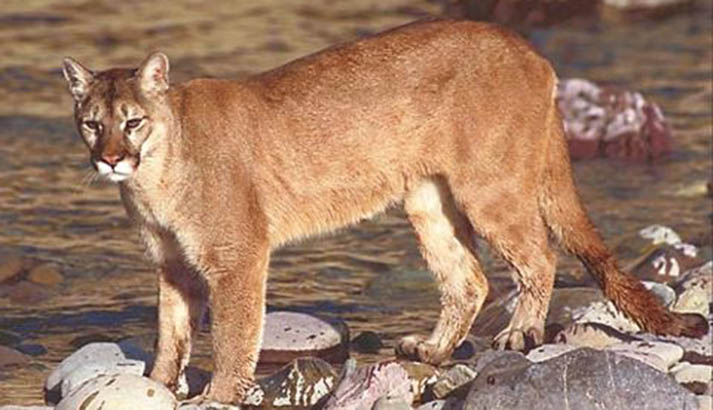
Our Barking Dogs, Coyotes | Coyote, Canis latrans, Courtesy US FWS, Steve Thompson, Photographer
Coyote, Canis latrans, Courtesy US FWS, Steve Thompson, Photographer
With the big game hunting season beginning, I reflect back on my first deer hunt in Utah. Arriving from Michigan in 1971, Utah friends took me into White Pine Lake above Logan. Alone on my stand, a large animal approached. Finely in my sights, a large, gorgeous male coyote in its prime. I fired and the coyote was dead before it slumped to the ground. Like Aldo Leopold after watching the “green fire” fade from the eyes of the she-wolf he shot, I resolved never to kill another coyote.

Since that long ago time, my admiration for this amazing animal has only heightened. It’s fascinating behavior, intelligence, and cultural significance are all worthy of mention.

Coyotes now occur throughout most of North America, as well as in parts of Latin America. It has been described as “the most vocal of all North American mammals”. Its penetrating range of vocalizations gave it the name Canis latrans, meaning “barking dog”. Its wild song awakens something deep within my primal being.

Coyote, Canis latrans, Courtesy US FWS, Tom Koerner, Photographer
The coyote features prominently as a trickster figure in the folktales of America’s indigenous peoples. It was given the trickster role in light of its intelligence and adaptability. Some tribes, such as the Paiute, and Ute portray the coyote as the companion of the creator. In the Paiute creation myth, the coyote was created by the wolf as a companion, and the two created land by piling soil on the water-covered world. In Navajo mythology, the coyote was present in the First World with First Man and First Woman.

19th-century writers wrote of coyotes being kept in native villages in the Great Plains. Although shy, pups have been raised for hunting both as retrievers and pointers. In 1945 a tame coyote named “Butch”, had a short-lived career in cinema, appearing in Smoky and Ramrod before being shot while raiding a henhouse.

Coyotes were occasionally eaten by mountain men. It was sometimes featured in feasts of the Plains Indians, and coyote pups were eaten by the indigenous people of California. The taste of coyote meat has been likened to that of the wolf, and is more tender than pork when boiled.

At one location in Southern California, coyotes began relying on a colony of feral cats as a food source. Over time, the coyotes killed most of the cats, and then continued to eat the cat food placed by people who were maintaining the cat colony.

Fortunately, in my view, it is nearly impossible to eradicate coyotes from an area. Despite large-scale and expensive efforts to kill coyotes over the past 150 years, coyotes continue to thrive, as I was reminded on my run up SLC’s City Creek Canyon where two families on either side of the canyon serenaded on me.

Research suggests that when aggressively controlled, coyotes can increase their reproductive rate by breeding at an earlier age and having larger litters, with a higher survival rate among the young. This allows coyote populations to quickly bounce back, even when as much as 75 percent of their numbers are removed. For coexisting peacefully with this remarkable being, check out Projectcoyote.org.
Long live America’s song dog!

This is Jack Greene reading and writing for Wild About Utah.

Credits:
Images: Courtesy US FWS, Tom Koerner and Steve Thompson, Photographers
Text: Jack Greene, Bridgerland Audubon Society

Additional Reading:

Jack Greene’s Postings on Wild About Utah, https://wildaboututah.org/author/jack/

Coyote-Canis latrans, Wikipedia.org, https://en.wikipedia.org/wiki/Coyote

Coyote, Animals, Photo Ark, The National Geographic Society, https://www.nationalgeographic.com/animals/mammals/c/coyote/

Coyote-Canis latrans, DesertUSA.com and Digital West Media, Inc., https://www.desertusa.com/animals/coyote.html

Coyote, Learn, Yellowstone National Park, US National Park Service, US Department of the Interior, https://www.nps.gov/yell/learn/nature/coyote.htm

Coyote – Canis latrans, Utah Species, Utah Division of Wildlife Resources, Department of Natural Resources, State of Utah, https://fieldguide.wildlife.utah.gov/?species=canis%20latrans


Ute Ladies’ Tresses-Orchids in Utah

Orchids in Utah: Ute Ladies' Slippers (Spiranthes diluvialis) Courtesy of the U.S. Fish and Wildlife Service, Lindstrom, Photographer
Ute Ladies’ Slippers (Spiranthes diluvialis)
Courtesy U.S. Fish and Wildlife Service
Lindstrom, Photographer
What is it about orchids in our desert state that excites me so? Perhaps its finding them so far removed from their usual tropical biome, or their uncommon beauty. I was surprised to discover that Utah has at least 16 native species of orchids. Most occur in moist, higher elevations, but a few are found in our valley bottoms.

I rejoice at spotting the first white bog orchid or striped coral root as I hike mountain trails. In the Uintah’s you may find the gorgeous Calypso orchid- also called lady slipper, perhaps my favorite. Now, the late season rattlesnake plantain is in full bloom.

Further, I was amazed to find orchids species diversity second only to the composites with orchids hosting 28 thousand species!

Last evening, I joined 8 others with the Bear River Land Conservancy near Mendon to survey a wet meadow for the late blooming Ute Ladies Tresses, a fragile beauty placed on the EPA Threatened Species list in 1992. Shrinking habitat, limited reproduction, over collection, competition from exotic weeds, and herbicides are the main threats. Other threats include impacts from recreation; mowing for hay production, grazing by cattle or horses; hydrology alteration, herbivory by native wildlife (especially meadow voles); reduction in the number and diversity of insect pollinators; drought; and conflicting management with other rare species.

Regarding reproduction, their minute seeds contain little stored food to sustain embryos and are probably short-lived in the soil. Recent attempts to germinate them took up to 1.5 years. It is hypothesized that germinated seedlings must quickly establish a symbiotic relationship with mycorrhizal soil fungi in order to survive. The absence or rarity of appropriate fungal symbionts in the soil may be a major factor limiting the establishment of new Ute ladies’- tresses populations. On a more positive note, under favorable conditions, they have extreme longevity living beyond 50 years.

Bees are their primary pollinators, particularly solitary bees in the genus Anthophora, bumblebees, and occasionally non-native honeybees. Long-term monitoring studies indicate that the relative abundance and composition of the available bee fauna varies from year to year, which may impact overall fruit production rates for the Ladies Tresses.

Orchids have vast cultural connections in art a literature. They are revered as the national flower for several countries and cities. Reading “The Orchid Thief” by Susan Orlean gave me insights into the very lucrative business world surrounding this coveted flower.

For more, visit The Utah Orchid Society and Utah Native Plant Society websites for further information and plan to join them for their frequent outings.

This is Jack Greene reading and writing for Wild About Utah.

Credits:
Images: Courtesy and Copyright
Text: Jack Greene, Bridgerland Audubon Society
Additional Reading:

MOUNTAIN PLANTS OF NORTHEASTERN UTAH, Original booklet and drawings by Berniece A. Andersen and Arthur H. Holmgren, https://forestry.usu.edu/files/uploads/hg506.pdf

https://rockymountainorchids.org/

US Wildflower’s Database of Wildflowers for Utah, https://uswildflowers.com/wfquery.php?State=UT

Spiranthes diluvialis Sheviak (Ute lady’s tresses), USDA Plants Database,
https://plants.usda.gov/core/profile?symbol=EPGI

Spiranthes diluvialis (Ute ladies’-tresses), Lady Bird Johnson Wildflower Center,
https://www.wildflower.org/plants/result.php?id_plant=EPGI

Spiranthes diluvialis, Missouri Botanical Garden, (Temporarily unavailable) https://www.facebook.com/missouribotanicalgarden/posts/pfbid02LUT74wA4PBr45myWNMkbSyaXmb1hUe2bnydmrCMhsKA31sobcZGUAQHrWfPJXq7tl
https://www.efloras.org/florataxon.aspx?flora_id=1&taxon_id=10638

Spiranthes diluvialis, Intermountain Regional Herbarium Network, SEINet,
https://intermountainbiota.org/portal/taxa/index.php?taxon=102217

Ute ladies’-tresses (Spiranthes diluvialis), ECOS Environmental Conservation Online System, USFWS, https://ecos.fws.gov/ecp0/profile/speciesProfile?spcode=Q2WA

Conserving Rare Plants and Private Wetlands in Cache Valley, Thursday, Jun. 02, 2016, https://www.usu.edu/today/?id=55893

Spiranthes diluvialis Sheviak, Streambank Lady’s Tresses, Ute Lady’s Tresses, North American Orchid Conservation Center, https://goorchids.northamericanorchidcenter.org/species/spiranthes/diluvialis/

Sacred Mountains

Sacred Mountains: White Pine Lake hike., Courtesy & Copyright Hilary Shughart
White Pine Lake hike., Courtesy & Copyright Hilary Shughart

Sacred Mountains: Devil's Staircase, Tony Grove, Courtesy & Copyright Hilary Shughart Devil’s Staircase, Tony Grove, Courtesy & Copyright Hilary Shughart

Sacred Mountains: False Hellebore/Corn lily (Veratrum californicum), Tony Grove, Courtesy & Copyright Hilary Shughart False Hellebore/Corn lily (Veratrum californicum), Tony Grove, Courtesy & Copyright Hilary Shughart

White Pine Lake and Mount Magog, Courtesy & Copyright Hilary Shughart White Pine Lake and Mount Magog, Courtesy & Copyright Hilary Shughart

Police Car Moth on Rob Garrett's thumb, White Pine Lake hike. Courtesy & Copyright Hilary Shughart Police Car Moth on Rob Garrett’s thumb, White Pine Lake hike.
Courtesy & Copyright Hilary Shughart

Elephanthead Lousewort (Pedicularis groenlandica), White Pine Lake hike. Courtesy & Copyright Hilary Shughart Elephanthead Lousewort (Pedicularis groenlandica), White Pine Lake hike.
Courtesy & Copyright Hilary Shughart

Rob & Jack & big tree, Limber Pine hike Courtesy & Copyright Hilary Shughart Rob & Jack & big tree, Limber Pine hike
Courtesy & Copyright Hilary Shughart

Beaver Dam at USU Forestry Camp (LCFS hike) Courtesy & Copyright Hilary Shughart Beaver Dam at USU Forestry Camp (LCFS hike)
Courtesy & Copyright Hilary Shughart

Jack in 560 year old Limber Pine tree 7/27/16 Courtesy & Copyright Hilary Shughart Jack in 560 year old Limber Pine tree 7/27/16
Courtesy & Copyright Hilary Shughart

I just completed teaching a 5 day Utah Master Naturalist course through USU extension on Utah mountains. The course allowed me to revisit the immense influence these lofty lumps in the earth’s crust have had on my life, and the life of so many others.

It was mountains that drew me here from the flatlands of Michigan. They have become my main source of spiritual renewal, of aesthetic pleasure and recreation. I run, ski, and hike their trails, explore their hidden canyons and forests, revel in the rich tapestry of wildlife and wildflowers that adorns their slopes, and at present, need I say, seek relief from summer’s heat.

Having served 11 seasons as a seasonal Wilderness ranger for the USFS, I was able to explore much of the backcountry in the Bear River and Wellsville mountains of N. Utah. Beyond these, I’ve been atop Kings peak, the Lasals, Abajos, Cedar and Pine Valley Mountains, the Raft Rivers, and many of our high plateaus. But this is small potatoes considering Wikipedia lists 65 others yet to be explored in our state.

Mountains are what we are. Without them, Brigham Young and the Saints would have continued their exodus on to other parts of the west for the rich resources they bless us with.
Mountains = water. This liquid gift provides over 80% of Utah’s water as they do for most other western states. In the early years, they offered timber and rock for structures, including temples, tabernacles, and other historic buildings. Cool breezes followed canyons down to give relief from intense summer heat, and grew forage for cattle and sheep. The Oquirrh mountains on the west edge of Salt Lake valley are host to one of the world’s richest mines yielding approximately 25 percent of the country’s copper, 12 tons of gold, and 120 tons of silver each year.

Going beyond Utah and the west, it is water from mountain glaciers that support over 2 billion people in India, China and several middle east/Eurasian countries. With rapidly receding glaciers from a warming planet, this has become a grave concern.
On a lessor note, I recently accompanied a group of college students on a YNP pica inventory to follow their population trends as they are being impacted by a changing climate.
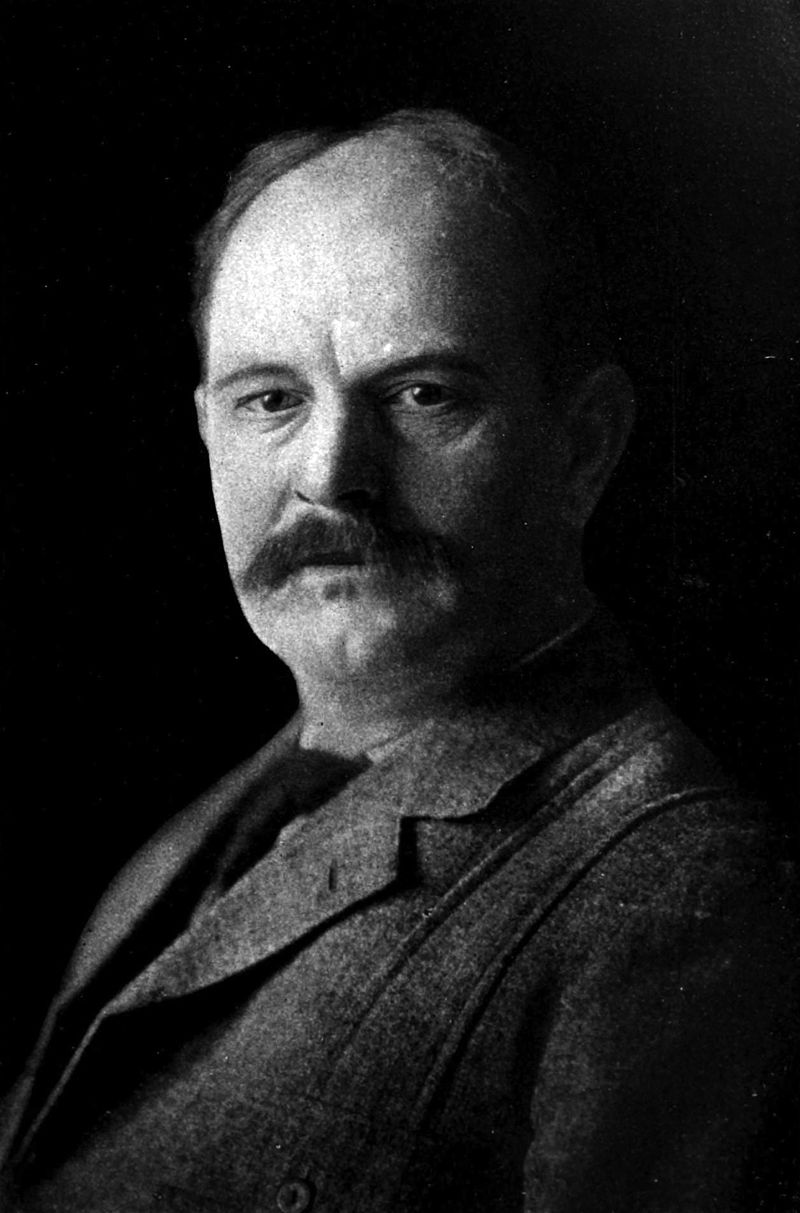
I’ll conclude with an 1877 quote from early American naturalist John Muir upon first entering the Salt Lake valley.

“The mountains rise grandly round about this curious city, the Zion of the new Saints, so grandly that the city itself is hardly visible. The Wasatch range, snow-laden and adorned with glacier-sculpted peaks, stretches continuously along the eastern horizon, forming the boundary of the Great Salt Lake basin; while across the valley of the Jordan southwestward from here, you behold the Oquirrh Range, about as snowy and lofty as the Wasatch.

The glacial developments of these superb ranges are sharply sculpted peaks and crests, with ample wombs between them where the ancient snows of the glacial period where collected and transformed into ice, and ranks of profound shadowy canyons, while moraines commensurate with the lofty fountains extend into the valleys, forming far the grandest series of glacial monuments I have yet seen this side of the Sierra.”

This is Jack Greene reading and writing for Wild About Utah.

Sacred Mountains-Credits:
Images: Courtesy and Copyright Hilary Shughart
Text: Jack Greene, Bridgerland Audubon Society
Sacred Mountains-Additional Reading:

Wasatch Mountains, History to Go, Utah.gov, https://historytogo.utah.gov/utah_chapters/the_land/wasatchmountains.html

Geology of Utah, History to Go, Utah.gov, https://historytogo.utah.gov/utah_chapters/the_land/geologyofutah.html

Logan Ranger District, USDA Forest Service, https://www.fs.usda.gov/recarea/uwcnf/recarea/?recid=8985

Hylland, Rebecca, What are Igneous, Sedimentary & Metamorphic Rocks?, Glad You Asked, Utah Geological Survey, https://geology.utah.gov/map-pub/survey-notes/glad-you-asked/igneous-sedimentary-metamorphic-rocks/

Sacred Mountains-Top