Avenue Road Path Trees Courtesy Pixabay, Peggychoucair, ContributorNow with a baby and persistent lacks and gaps in sleep, longer-form writing is gone. Lost. Kaput. The big thinking bits of the brain where creativity lies are in perpetual short-circuit from having to deal with so much else, that the only way I can write and get enough material is in the shorter form. I wonder to myself if this is how George Saunders or Rumi started. I reflect, maybe, but I’m also no George Saunders or Rumi. Probably for the best.
Regardless, I rarely find myself with the time I need to write in general. My time has been otherwise accounted for by care. That’s not a bad thing, but I don’t have the same allocation of space. Now, there are just the spaces in between care, where normally chores are done in the style of feudal ninjitsu: as fast and quiet as possible so as to not wake the sleeping. Sometimes though, there can be spaces in the spaces, where a nap goes longer than usual, and I can sit with presence, and write a few words on why, in the midst of it all, I’m tired, but still Wild About Utah.
Grandmother
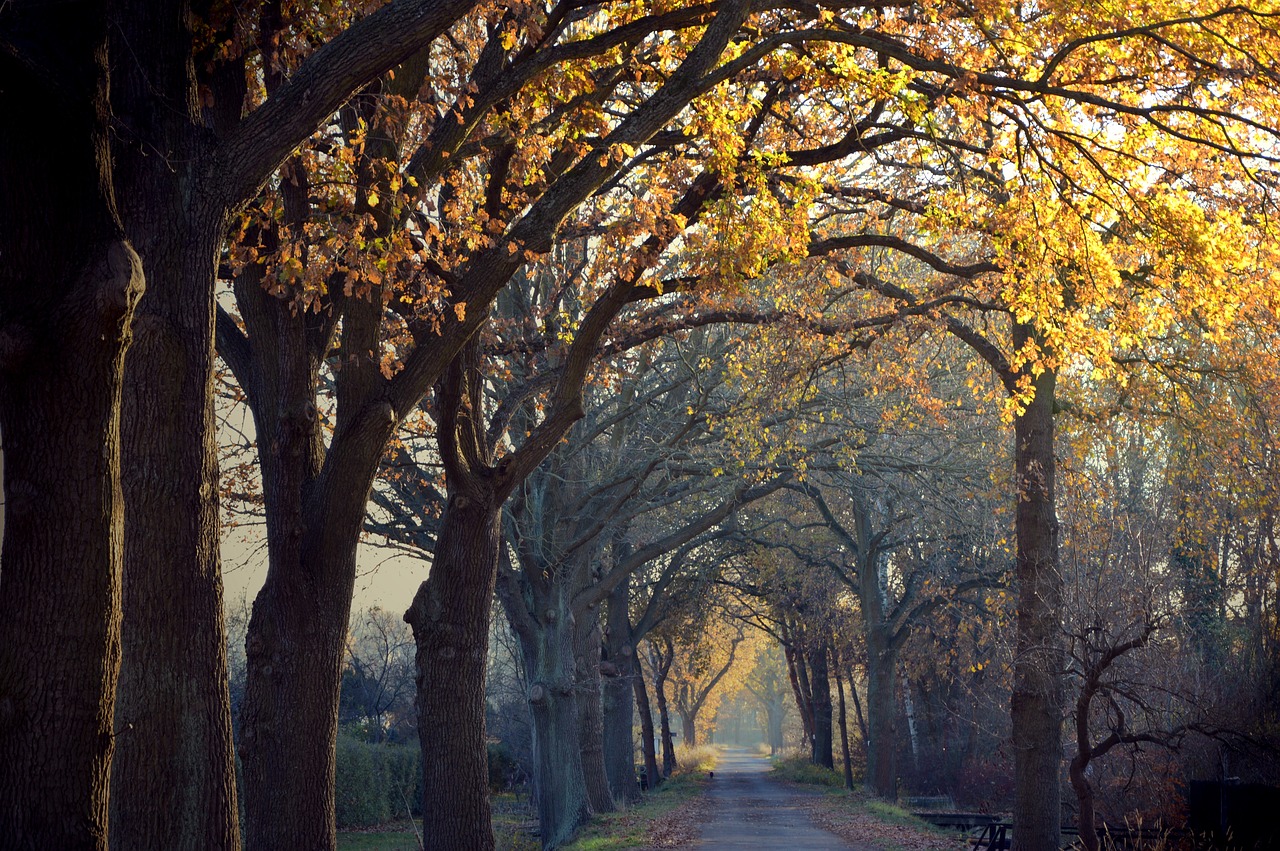
Summer’s heat is now just warmth as the sun sets lower in the autumn sky. I listen to the last rumbles of lawnmowers and leaf blowers and reflect upon the high hot season gone by. I think about the adventures, the growth, the newness, and the labor. I think back, too, on what has passed, and whom — family, friends, mentors, and confidants. Loss never gets easier; it gets harder. Each loss is another hole in our being, which lets in the cold, and so that just as summer’s light wanes, memories fade and darkness seems inevitable as it seeps through the gaps. The challenge that is always easier said than done, though, is to take that hole and make it a window in our souls; to try to look out those new windows upon new vistas; to see that they also let in the light, even of just the stars when that darkness falls. And then it is still work to know that we can shine through them a beacon of the hearth which requires stoking. Light is given then to those who gave. It sounds easier than it is, because healing is hard, but without hope through work, it will never be. And work we do. All wounds heal soon enough, but we save the scars to remember that life is tough. And so are we.
Students with Binoculars Courtesy & Copyright Joseph Kozlowski, Photographer
Student Journal Pages Courtesy & Copyright Joseph Kozlowski, PhotographerI’m a fledgling birder, with a less-than-soaring Life List. However, after being inspired this summer by the amazing new Merlin App my dad and brother introduced me to, I wanted to learn more. When preparing to start another year teaching 2nd-grade at USU’s Edith Bowen Laboratory School, I decided to integrate birding into my curriculum. I knew that studying birds could be as simple or as complex as I desired, which seemed perfect to help all my students make learning gains and make special discoveries throughout the year.
I reached out to Hilary and Jack, who are local experts and members of the Bridgerland Audubon Society. They were happy to meet with me, give me resources, and help me brainstorm ways to make the world of birding come to life for my students. However, the fun really started when I kicked off everything in my classroom. There was immediate buy in from my students, and as soon as 25 bright eyed 2nd-graders were screeching the “CONK-LA-REEEE” of a Red-Winged Blackbird, I knew I was hooked as well.
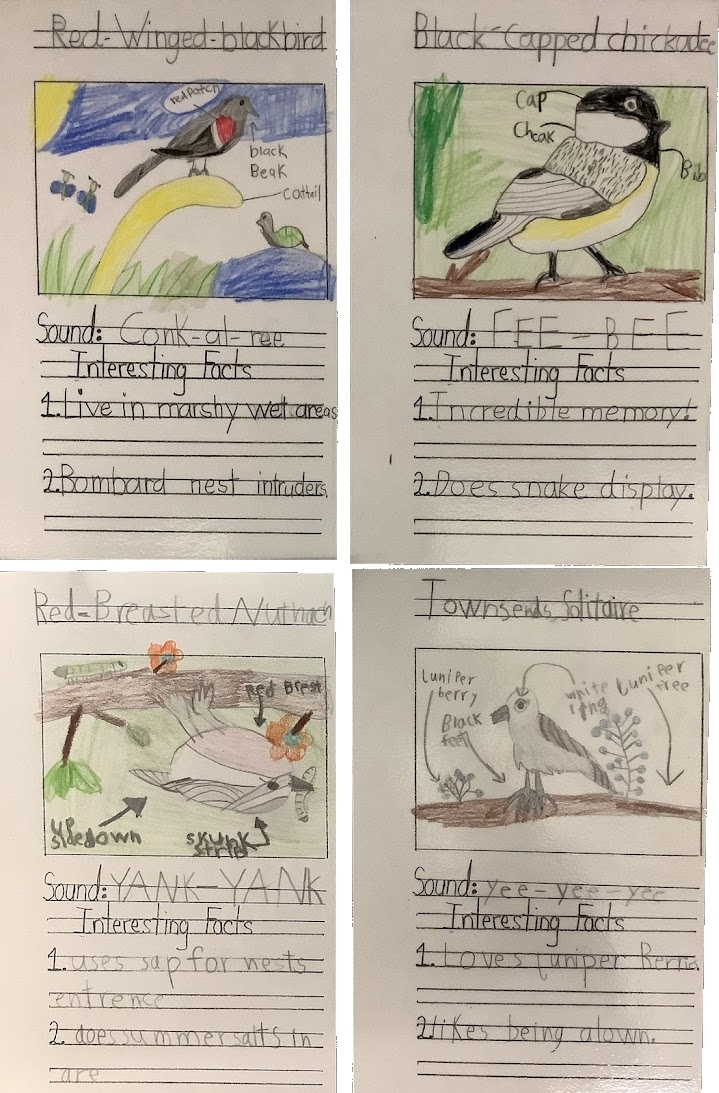
My sequence of instruction, which usually lasts about a week per bird, starts by utilizing AI technologies and The Cornell Lab’s comprehensive birding website to develop an informational and narrative passage about a specific bird, which is used to address language arts standards. After this, students create a writing piece about the bird, which sometimes is informational, but sometimes is a creative piece that incorporates characteristics or habits of the bird. We incorporate mathematics in meaningful, context-based ways that has some relationship to the bird. For example, our class learned that Black-Capped Chickadees can remember over 1,000 seed hiding places! Therefore, students created and solved a fun math problem: “If a Black-Capped Chickadee had 1,000 seeds hidden, and during the winter ate 20 seeds a day, how many days can she eat until her seeds have run out?” Finally, each student makes a single page on that specific bird that goes in their journal. Each page requires the student to draw a picture of the bird, label three distinguishing parts, create an onomatope for the sound, and write two interesting facts about the birds.
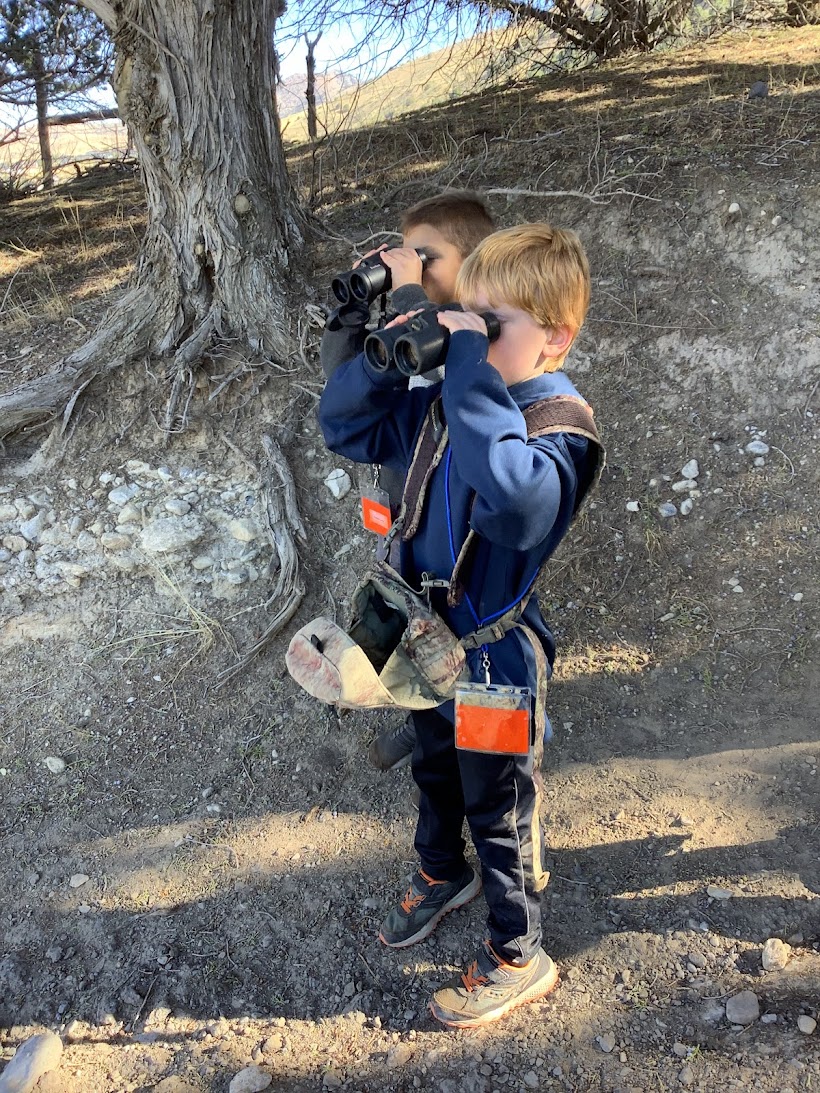
To bring the birding knowledge to life, we developed multiple field experiences aimed at observing birds and identifying them. So far, kids have found the Black-Capped Chickadee, Red-Winged Blackbird, Townsend’s Solitaire, and Red-Breasted Nuthatch. These birding experiences give students a new sense of purpose and intentionality in the field. We recently went to King’s Nature Park in North Logan’s Green Canyon where they made discoveries with their eyes, ears, and even binoculars! As we trudged up a slope, one kid glanced to the side of the trail and noticed bundles of small, blueish/purplish Juniper Berries clung to their host, and, recalling a fact they had read in class, announced “Look, Juniper berries! I bet this will be a great place to see a Townsend’s Solitaire because I know they love to eat these!” These kinds of connections are what every teacher hopes for, and I am grateful to be flying on this learning journey right alongside my students.
This is Dr. Joseph Kozlowski, and I am Wild about Outdoor Education in Utah!
[Downy Woodpecker Male at] Bird Feeder Courtesy US FWS, Leah Schrodt, Photographer
Applying Anti-Strike Film to Window Courtesy US FWS Brett Billings PhotographerBirdwatching is a fun hobby for all ages and it is a great way to connect with nature and increase self-efficacy, so let’s discuss the benefits and the importance of a safe environment for feeding our backyard birds. First, the benefits of supplemental feeding, and second, preventable deaths from cats and window collisions.
Supplemental food and water are important ways we can reduce stress for backyard birds, especially through the winter months. Sites with bird feeders attract more birds over time than those without feeders, and the birds are in overall greater health than birds at sites without feeders. A higher percentage of chicks hatch at sites with bird feeders, and the survival rates are significantly higher, but supplemental feeding must be done in a safe environment.
Free ranging domestic cats and window collisions are leading causes of bird deaths in North America. The American Bird Conservancy estimates that outdoor cats kill approximately 2.4 billion birds every year in the United States alone. Approximately one billion birds are dying from window collisions each year in North America – that represents about ten percent of our birds dying from crashing into windows (1), and combined, that’s over three billion fewer insect eaters, fewer pollinators, fewer seed spreaders, and fewer parents for the next generation.
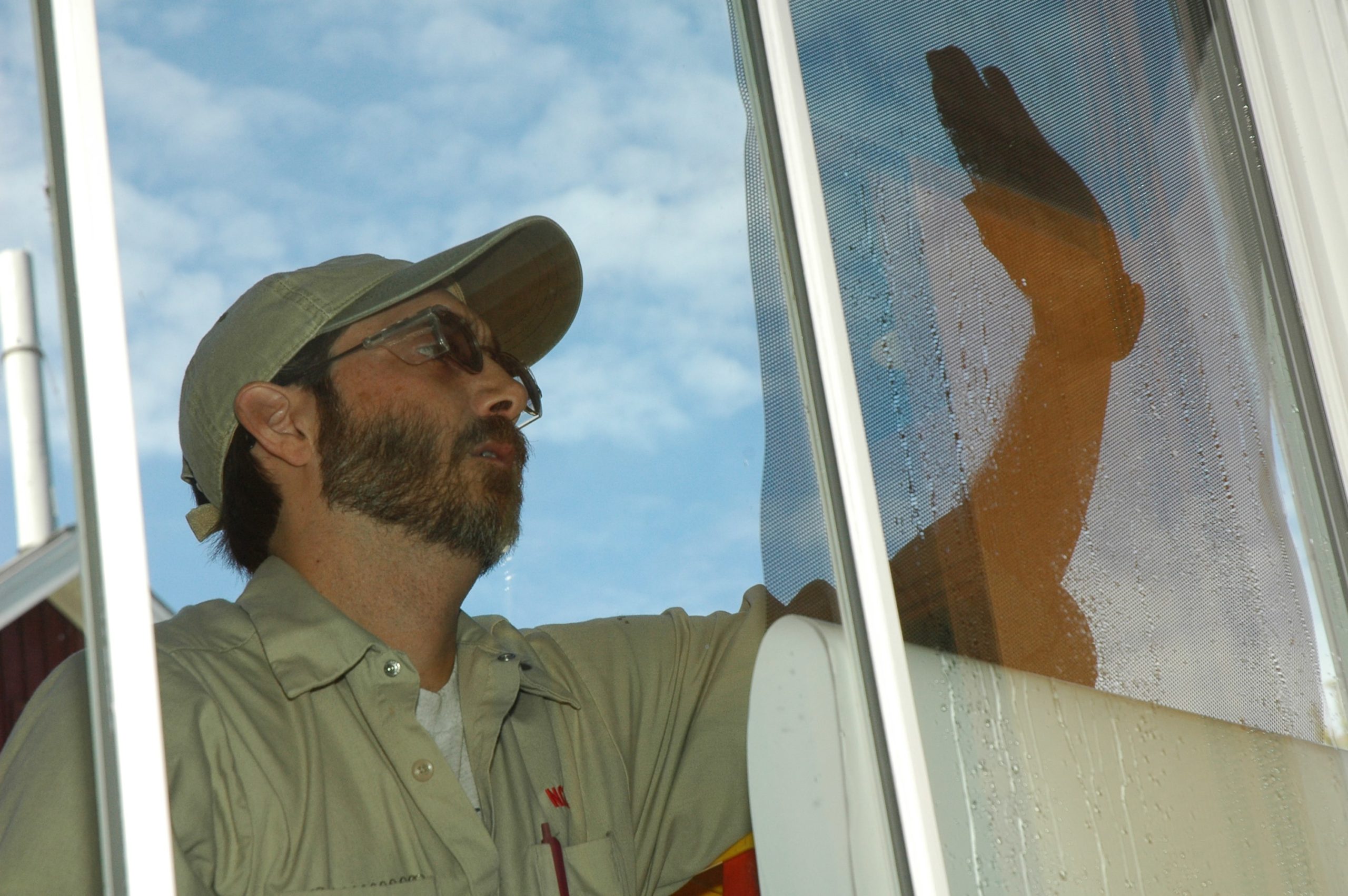
Cats should be kept indoors, and windows should be treated, especially if they reflect trees and shrubs. If you have seen a ghostly bird imprint or heard the sickening thump of a bird hitting your windows, then those are windows in need of treatments such as screens, translucent UV tape, or even tempera paint designs, because even birds that manage to fly away have potentially life-threatening internal injuries. Feeders less than 3 feet away don’t allow birds to build up too much speed before they collide, so it’s good to put feeders and birdbaths 3 feet or closer to a window or greater than 30 feet away.
Feeders placed on or near windows have the added benefit of being easy to access and monitor. In addition to a window suet feeder, one of my favorite window feeders is actually a clear plastic suction-cup toothbrush cup holder from the dollar store – it’s easy to clean and there’s no need for binoculars!
In addition to enhancing a backyard bird watching hobby and improving bird health and survival, the ripple effects of feeding birds, keeping cats indoors, and preventing window collisions include pest control in our gardens where birds feast on slugs, snails, aphids and grasshoppers. I for one particularly appreciate Black-billed Magpies when they remove wasp nests from my house! The Bridgerland Audubon website has tools, coloring pages, checklists, and science-based information on window collision prevention. Solutions can be as simple as the careful placement of bird feeders and keeping cats indoors. Find us at bridgerlandaudubon.org, that’s Bridgerland Audubon – A-U-D-U-B-O-N dot org.
Creating Landscapes for Wildlife… A Guide for Backyards in Utah, Written by Sue Nordstrom and Illustrated by Kathlyn Collins Department of Landscape Architecture and Environmental Planning, Utah State University with Margy Halpin, Utah Division of Wildlife Resources; Second Printing 2001,
Updated for the Utah Division of Wildlife Resources, by Frank Howe, DWR Avian coordinator; Ben Franklin, DWR–Utah Natural Heritage Program botanist; Randy Brudnicki, DWR publications editor; and landscape planning illustrations by Stephanie Duer.,
Published by:
State of Utah Natural Resources, Division of Wildlife Resources,
Utah State University Cooperative Extension Service and
Utah State University Department of Landscape Architecture and Environmental Planning;
1991 updated 2001 https://wildlife.utah.gov/pdf/landscapingforwildlife.pdf
Morse, Susan, To Feed or Not to Feed Wild Birds–Bird Feeders Can Be Sources of Joy — and Disease,, US Fish & Wildlife Service, U.S. Department of the Interior, https://www.fws.gov/story/feed-or-not-feed-wild-birds
Celley, Courtney, Helping wildlife while avoiding common pitfalls,, US Fish & Wildlife Service, U.S. Department of the Interior, https://www.fws.gov/story/helping-wildlife-while-avoiding-common-pitfalls
Dragon, Sydney, (Student Conservation Association intern), Conservation in Urban Areas: Backyard Bird Feeding, US Fish & Wildlife Service Bird Walks (Texas), U.S. Department of the Interior, Apr 27, 2021, https://youtu.be/2bkliew6aj8
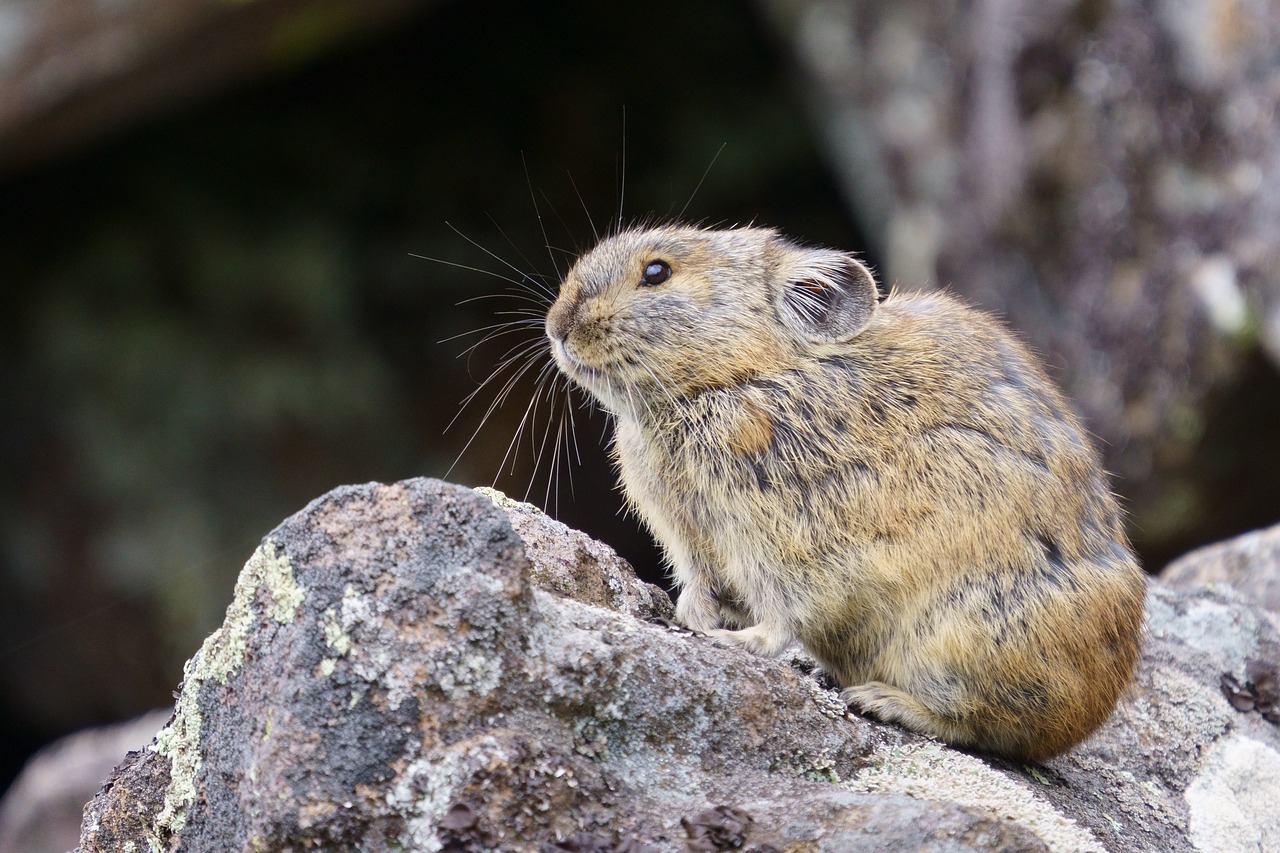
American Pika Courtesy Pixabay, Makieni77 ContributorAs I hike the high country, there is a non-bird call that always brightens my way. A mini rabbit, or rock rabbit in Jack vernacular, the pika, has been declared North America’s cutest mammal. I won’t argue with this declaration, unless it’s compared to my grandkids.
On a scramble up two gnarly peaks above Alta Ski Resort a few weeks ago, my spirits went sky high with an abundance of pika busily gathering hay for their winter larder. Their Ehhhhh! Notes surrounded us, tiny furry forms darting in and out of boulder fields while we made our way to the summits.
This was especially heartening given the warming trends, which push these little spirits beyond their limits of heat tolerance in too many locations. Pikas have disappeared from more than one-third of their previously known habitat in Oregon and Nevada. Despite this, the American pika has not been listed under the Endangered Species Act. The pika can overheat and die within 6 hours when exposed to temperatures as mild as 78 degrees Fahrenheit.
American Pikas are famously vocal. They chirp, sing, and scream in an effort to protect their territory. They use their signature call to alert others in the colony of an approaching predator, to establish boundaries, and in some cases, to attract mates.
Pikas spend a great deal of time gathering vegetation for winter which they cure on rocks to prevent molding, then store their piles under rocks for safekeeping, occasionally moving them so they don't get rained on. Haystacks, as they're called, weigh a whopping 61 pounds on average. The timing of haying seems to correlate to the amount of precipitation from the previous winter. They appear to assess the nutritional value of available food and harvest accordingly. Pikas select plants that have the higher caloric, protein, lipid, and water content. They also enjoy their fecal pellets, which have more energy value than stored plant food, by consuming them directly or store for a later sweet treat.
Cedar Breaks National monument in southern Utah has adopted the pika as its token mammal. You can get your own stuffy who has a remarkable resemblance to the real deal. Your donation will help the Monument with its field research on the pika and other park critters.
Considering pika are mostly found in alpine and subalpine environments with cool temperatures and deep snow, I was shocked to find them occurring at Craters of the Moon National Monument in Idaho averaging 6000’ elevation. Summer temperatures at the Monument can soar to 170 degrees on the black rock surface, which would fry a pica in short order. Yet, here they are, finding relief in lava tubes and deep crevasses. Unlike their diurnal alpine cousins, they are primarily crepuscular- active early morning- late evening.
The American pika can be found throughout the mountains of western North America, from Canada to New Mexico. Of the 30 global species, only two inhabit North America, which includes the collared pika found in Alaska and Canada.
Jack Greene for Bridgerland Audubon Society, and I’m wild about Utah and its rock rabbits!