Freedom in a Land Called Utah…

Green River Meanders
Courtesy NASA, September 18, 2018
NASA Earth Observatory
Green River Meanders
Courtesy NASA, September 18, 2018
NASA Earth Observatory
I am sitting next to friends on top of the skeleton of an excavator from the 1950s at an abandoned uranium mining site. All around us are tamarisk chokes, redrock fortifications, and the bleached steel bones of Pittsburgh’s former glory. We descend off of what we imagine the remains of a great steel minotaur which used to rule this dead tributary, and head up the wash into a side canyon. Following old trails and roads, we find stone sculptures pitted and bored by wind, scorpions avoiding our misunderstood company, and the remains of camps left by those the scorpions take us for.

We scramble past ash mounds, graffitied rocks, and discarded tin cans to each find a perch on one of the many boulders which have in time broken and cascaded down from the high red cliffs above like magnificent apocalyptic rain. Each dwarfs what we think possible to exist surviving such a fall, yet it does and will continue to do so long after we have ceased. Our expectations cannot deny their reality.

I sit on one of these great cleaves, facing west, enjoying life as the last rays of the deadly August sun hits my cheeks. I close my eyes and hear three ravens. When I call, they call back. Their dialect is not like those back home, but we both understand and appreciate the good company. They call from on high, and I from on low. Together we fill the canyons around us with the joyful elixir of rendezvous comradery.

Those other humans with me begin to wander around, discovering where water once fell and may again, where the ancient deep sands have laid new claim to man’s tin and iron waste, seeking to bury it and create the world in its own granular image, and where hardy shades of greenery have used their roots like vices to cling first and drink second.

I stay upon my boulder. The ravens stay upon their wing. I dream of being nowhere but where I am.

There’s a place in Utah where the sun burns a bit hotter and the air smells like home. Down the Green River with her tangerine mornings lies Labyrinth Canyon and the lair of the steel minotaur. This Labyrinth, the river’s hand at Daedalus’s task, can also in the same make and destroy and make again. True to its name, the canyon allows all to meander into its fluid center, and gives opportunity for you to meander into your own if you’re willing to disconnect from what lies above the crests of those ancient concretized dunes, and see the world for what lies within a cradle older than time itself.

This wisened world, a world holding evidence of man’s potent messages in petroglyph, graffiti, and iron beast, holds an even greater message of hope found etched by the thumping course of the Green River. That message tells not of man’s stories looking back, but of the joy, warmth, honest decision, and echoes of time found in looking ahead.

By our freedom in this world we have license to hoot n’ holler like the wild animals we are into the amphitheaters given by the river’s mind. Let those without joy or heart file a noise complaint, for the river holds no objection. She responds back in our words, whispered to us with unbridled power by her own red and rough maw. Hearing me howl and the walls rebuttal, somewhere in the distance a beaver slaps its tail upon the water. The river calls back to him as well.

The world does not discriminate against those who choose to live within it and not simply upon it. It feels good to belong to such a place. It feels good to have such a place belong to no one, for who can be deserving of such creation but the riverine creator?

Lucky for us in Utah, our land still has more creation than not, even given the efforts of our minotaurs. Wherever you are right now, find a window. Look outside of it. There, just past where you’re looking, lies more of Utah to be found. Just past where you can see lies another labyrinth, another message of hope, another space to dream of being nowhere but where you are, where the sun burns a little hotter and the air smells like home. So go out and be free and wild as Utah makes all who live not just on it, but within. Find your freedom in the land that we call Utah.

My name is Patrick Kelly and I am Wild About Utah.
 
Credits:

Images: Image Courtesy NASA Earth Observatory, Public Domain
Audio: Contains audio Courtesy & Copyright Friend Weller, Utah Public Radio
Text:    Patrick Kelly, Director of Education, Stokes Nature Center, https://logannature.org
Included Links: Lyle Bingham, Webmaster, WildAboutUtah.org

Additional Reading

Wild About Utah Pieces by Patrick Kelly: https://wildaboututah.org/author/patrick-kelly/

The Uranium Mines of Bowknot Bend, Green River Utah, AZ Backcountry Adventures, Ernie Parks, 2014 Trips, http://www.azbackcountryadventures.com/uran.htm
Naturally Flowing Carbonated Water

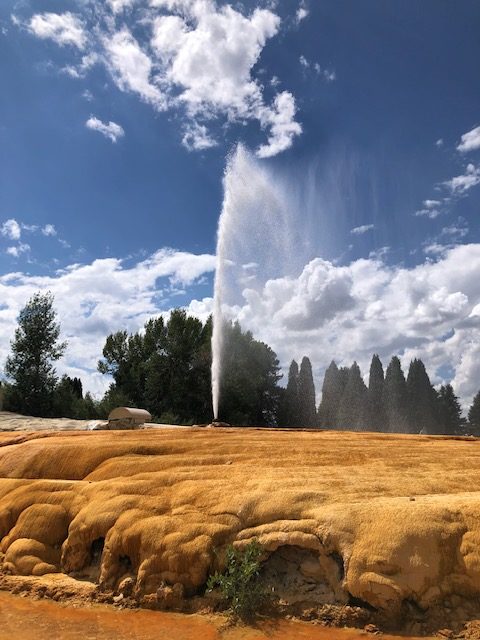
Naturally Carbonated Water: Soda Springs Geyser, Soda Springs, Idaho, Courtesy & &copy Mary Heers, Photographer
Soda Springs Geyser, Soda Springs, Idaho

If you like drinking carbonated water as much as I do, you’ll be happy to hear you can drink as much as you’d like, -absolutely for free- just north of the Utah border in Soda Springs, Idaho.

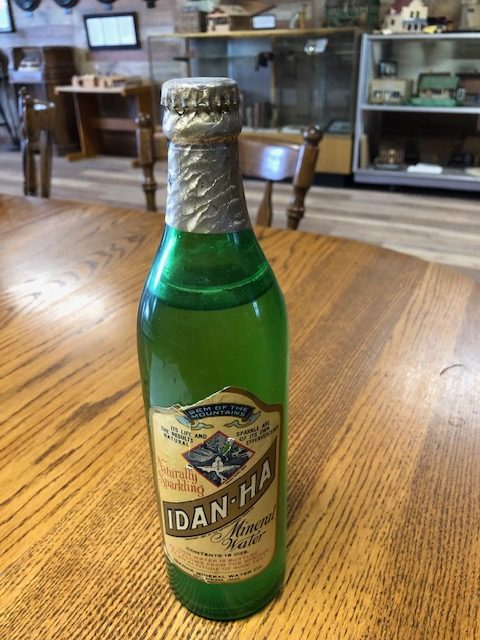
Idan-Ha Mineral Water, Courtesy & &copy Mary Heers, Photographer
Idan-Ha Mineral Water
Courtesy & &copy Mary Heers, Photographer

Small Bubbling Soda Water Pool, Courtesy & &copy Mary Heers, Photographer Small Bubbling Soda Water Pool
Courtesy & &copy Mary Heers, Photographer

When settlers heading to California passed through this area on the Oregon Trail, they saw the many bubbling natural springs.

In 1838 Sarah White Smith, wrote in her diary, This is indeed a curiosity. The water is bubbling and foaming like boiling water.” But the water wasn’t hot.

She also wrote how delighted she was when she made bread with the water. “The bread was as light as any prepared with yeast.”

All this stirred up some fond memories I have of my high school science teacher who always made interesting things happen in the classroom. She put a pinch of sodium bicarbonate (commonly called baking soda) in a dish and added a couple tablespoons of water and vinegar. Voila! The dish began “bubbling and foaming like boiling water.”

For centuries something like this has been going on under the ground in Soda Springs. The carbonate rocks are mixing with slightly acidic water, sending CO2 bubbles to the surface .

By 1887, Soda Springs had grown to a bustling town. Some enterprising residents came up with a plan to capture the CO2 gas. They built giant drums over one of the springs and then built a five-mile pipeline to their bottling plant. There they mixed the gas with clear water from another spring and bottled it. The soda water was called “Idan-ha” and was shipped out on the railroad far and wide.

It won first place at the Chicago World’s Fair in 1893 and again in the World’s Fair in Paris in 1905.

A decade later, another group of businessmen went to work on a plan to build a mineral water swimming pool resort.

On Dec 2, 1937, drillers dug down to 315 ft. No luck. They went to dinner. Then they heard a gush of water shoot up outside the window. They said it was “roaring like a dragon.” The whole area was enveloped in water vapor and Main Street was flooded. It took them two weeks to cap it.

The water wasn’t warm, so the businessmen abandoned their plans for a swimming pool resort.

The town knew their geyser was accidental; it was man-made- but still a plume of water shooting 100 ft into the air was impressive to look at.

Engineers put a timer on the cap. Now the carbonated water shoots up for 8 minutes every hour on the hour.

You can watch it for free.

As for drinking the naturally carbonated water, the city has set aside three springs.

My guide drove me to his favorite site just outside of town We scrambled down a grassy hillside to a small bubbling pool about the size of a basketball. He whipped out a cup and dipped it in. I drank. It was cold and fizzy.

“Good as Perrier,” I said.

He smiled, “Now I like you.”

I liked him too. Even more, I loved drinking this tasty treasure bubbling up from the ground.

This is Mary Heers and I’m Wild About Utah

Credits:

Images Courtesy & Copyright Mary Heers, Photographer
Featured Audio: Courtesy & Copyright © Friend Weller, Utah Public Radio upr.org
Text: Mary Heers, https://cca.usu.edu/files/awards/art-and-mary-heers-citation.pdf
Additional Reading: Lyle Bingham, https://bridgerlandaudubon.org/

Additional Reading

Wild About Utah, Mary Heers’ Postings

Price, Mike, Soda Springs, We Are East Idaho, EastIdahoNews.com LLC, September 9, 2019, https://www.eastidahonews.com/2019/09/we-are-east-idaho-soda-springs/

Hooper Springs Park, California National Historic Trail, Oregon National Historic Trail, National Park Service, US Department of the Interior, https://www.nps.gov/places/000/hooper-springs-park.htm

A man-made CO2 Geyser in Utah:
Weaver, Lance, Crystal Geyser, Grand County, Utah, Geosights, Utah Geological Survey (UGS), Utah Department of Natural Resources, January 2018, https://geology.utah.gov/map-pub/survey-notes/geosights/crystal-geyser/

Map on page 43 shows water from Soda Springs flows into the Bear River and the Great Salt Lake:
Dissolved-Mineral Inflow to Great Salt Lake and Chemical Characteristics of the Salt Lake Brine, United States Geological Survey (USGS) and The College of Mines and Mineral Industries, The University of Utah, 1963, https://ugspub.nr.utah.gov/publications/open_file_reports/ofr-485/Lake%20Brine%20Interpretive%20Reports/WRB%2003%20-%20Part%201%20-%20Hahl%20&%20Mitchell%20-%201963/Water%20Resources%20Bulletin%203%20Pt%201%201963.pdf

This piece originally aired August 25, 2023 as Naturally Carbonated Water https://wildaboututah.org/naturally-carbonated-water/

Naturally Carbonated Water

Naturally Carbonated Water: Soda Springs Geyser, Soda Springs, Idaho, Courtesy & &copy Mary Heers, Photographer
Soda Springs Geyser, Soda Springs, Idaho

If you like drinking carbonated water as much as I do, you’ll be happy to hear you can drink as much as you’d like, -absolutely for free- just north of the Utah border in Soda Springs, Idaho.

Idan-Ha Mineral Water, Courtesy & &copy Mary Heers, Photographer
Idan-Ha Mineral Water
Courtesy & &copy Mary Heers, Photographer

Small Bubbling Soda Water Pool, Courtesy & &copy Mary Heers, Photographer Small Bubbling Soda Water Pool
Courtesy & &copy Mary Heers, Photographer

When settlers heading to California passed through this area on the Oregon Trail, they saw the many bubbling natural springs.

In 1838 Sarah White Smith, wrote in her diary, This is indeed a curiosity. The water is bubbling and foaming like boiling water.” But the water wasn’t hot.

She also wrote how delighted she was when she made bread with the water. “The bread was as light as any prepared with yeast.”

All this stirred up some fond memories I have of my high school science teacher who always made interesting things happen in the classroom. She put a pinch of sodium bicarbonate (commonly called baking soda) in a dish and added a couple tablespoons of water and vinegar. Voila! The dish began “bubbling and foaming like boiling water.”

For centuries something like this has been going on under the ground in Soda Springs. The carbonate rocks are mixing with slightly acidic water, sending CO2 bubbles to the surface .

By 1887, Soda Springs had grown to a bustling town. Some enterprising residents came up with a plan to capture the CO2 gas. They built giant drums over one of the springs and then built a five-mile pipeline to their bottling plant. There they mixed the gas with clear water from another spring and bottled it. The soda water was called “Idan-ha” and was shipped out on the railroad far and wide.

It won first place at the Chicago World’s Fair in 1893 and again in the World’s Fair in Paris in 1905.

A decade later, another group of businessmen went to work on a plan to build a mineral water swimming pool resort.

On Dec 2, 1937, drillers dug down to 315 ft. No luck. They went to dinner. Then they heard a gush of water shoot up outside the window. They said it was “roaring like a dragon.” The whole area was enveloped in water vapor and Main Street was flooded. It took them two weeks to cap it.

The water wasn’t warm, so the businessmen abandoned their plans for a swimming pool resort.

The town knew their geyser was accidental; it was man-made- but still a plume of water shooting 100 ft into the air was impressive to look at.

Engineers put a timer on the cap. Now the carbonated water shoots up for 8 minutes every hour on the hour.

You can watch it for free.

As for drinking the naturally carbonated water, the city has set aside three springs.

My guide drove me to his favorite site just outside of town We scrambled down a grassy hillside to a small bubbling pool about the size of a basketball. He whipped out a cup and dipped it in. I drank. It was cold and fizzy.

“Good as Perrier,” I said.

He smiled, “Now I like you.”

I liked him too. Even more, I loved drinking this tasty treasure bubbling up from the ground.

This is Mary Heers and I’m Wild About Utah

Credits:

Photos:
Images Courtesy & Copyright Mary Heers, Photographer
Featured Audio: Courtesy & Copyright © Friend Weller, Utah Public Radio upr.org
Text: Mary Heers, https://cca.usu.edu/files/awards/art-and-mary-heers-citation.pdf
Additional Reading: Lyle Bingham, https://bridgerlandaudubon.org/

Additional Reading

Wild About Utah, Mary Heers’ Postings

Price, Mike, Soda Springs, We Are East Idaho, EastIdahoNews.com LLC, September 9, 2019, https://www.eastidahonews.com/2019/09/we-are-east-idaho-soda-springs/

Hooper Springs Park, California National Historic Trail, Oregon National Historic Trail, National Park Service, US Department of the Interior, https://www.nps.gov/places/000/hooper-springs-park.htm

A man-made CO2 Geyser in Utah:
Weaver, Lance, Crystal Geyser, Grand County, Utah, Geosights, Utah Geological Survey (UGS), Utah Department of Natural Resources, January 2018, https://geology.utah.gov/map-pub/survey-notes/geosights/crystal-geyser/

Map on page 43 shows water from Soda Springs flows into the Bear River and the Great Salt Lake:
Dissolved-Mineral Inflow to Great Salt Lake and Chemical Characteristics of the Salt Lake Brine, United States Geological Survey (USGS) and The College of Mines and Mineral Industries, The University of Utah, 1963, https://ugspub.nr.utah.gov/publications/open_file_reports/ofr-485/Lake%20Brine%20Interpretive%20Reports/WRB%2003%20-%20Part%201%20-%20Hahl%20&%20Mitchell%20-%201963/Water%20Resources%20Bulletin%203%20Pt%201%201963.pdf

Bear Lake Limestone

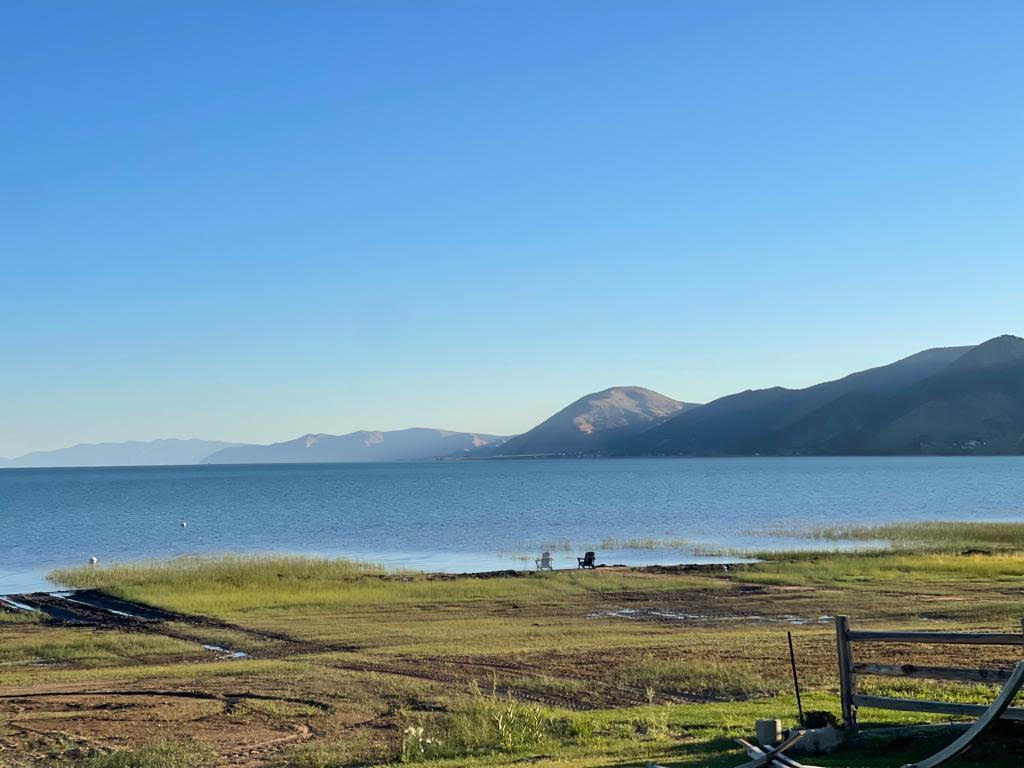
Bear Lake Limestone: Pale Blue Bear Lake from the Shore, Courtesy & Copyright Mary Heers, Photographer
Pale Blue Bear Lake from the Shore
Courtesy & Copyright Mary Heers, Photographer

Blue Sky Reflected on the Water of Bear Lake, Courtesy & Copyright Mary Heers, Photographer Blue Sky Reflected on the Water of Bear Lake
Courtesy & Copyright Mary Heers, Photographer

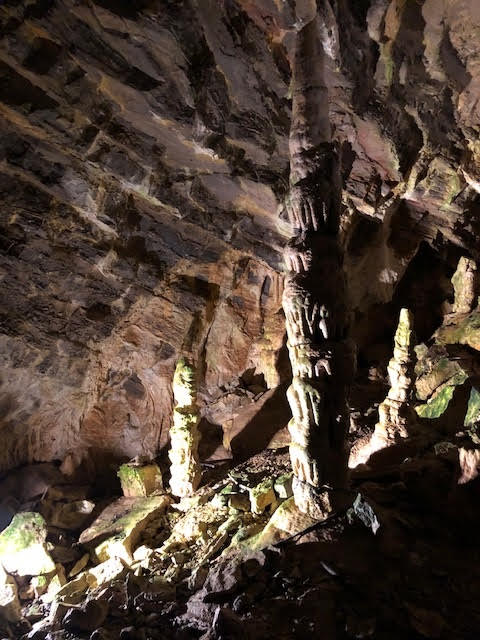
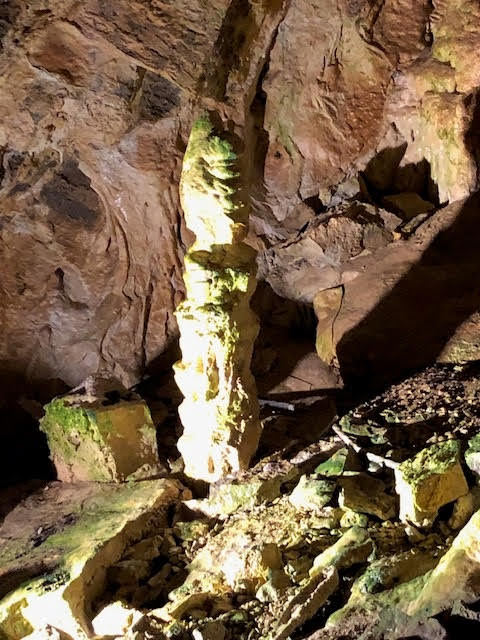
Stalagmites in Minnetonka Cave, St Charles Canyon, West of Bear Lake, Courtesy & Copyright Mary Heers, Photographer Stalagmites in Minnetonka Cave, St Charles Canyon, West of Bear Lake
Courtesy & Copyright Mary Heers, Photographer

Soda Straw Stalactites in Minnetonka Cave, St Charles Canyon, West of Bear Lake, Courtesy & Copyright Mary Heers, Photographer Soda Straw Stalactites in Minnetonka Cave, St Charles Canyon, West of Bear Lake
Courtesy & Copyright Mary Heers, Photographer

Small Ribbon  Stalactites in Minnetonka Cave, St Charles Canyon, West of Bear Lake, Courtesy & Copyright Mary Heers, Photographer Small Ribbon Stalactites in Minnetonka Cave, St Charles Canyon, West of Bear Lake
Courtesy & Copyright Mary Heers, Photographer

Stalagmite in Minnetonka Cave, St Charles Canyon, West of Bear Lake, Courtesy & Copyright Mary Heers, Photographer Stalagmite in Minnetonka Cave, St Charles Canyon, West of Bear Lake
Courtesy & Copyright Mary Heers, Photographer

If you stop at the overlook above Bear Lake on a sunny summer day, you may be as surprised as I was to find out that the gray limestone rocks in Logan Canyon are responsible for the brilliant blue color of the lake. Among the wealth of information displayed at the overlook is the fact that as rainwater and melting snow seeps down through the limestone, it picks up tiny bits of calcium. This calcium in the lake water acts as “millions of microscopic mirrors” that reflect the exact color of the blue sky.

Once I started thinking about water seeping through this limestone, I signed up to take a tour of the Minnetonka Caves located above St Charles towards the northern side of the lake. Millions of years ago, water began to seep into small fissures in the rock, widening into larger cracks and puddling into low spots. When the water table dropped, the water drained away, leaving large crevices and 9 open rooms behind.

The cave was discovered in 1906 by Edward Arnell, who was out hunting and shot a grouse that fell just over a nearby ledge. He scrambled down to retrieve the bird, and then he felt it: cold air. Pushing aside some rocks he found the hole in the hillside – just large enough for a man to crawl through.

He found a bear skeleton near the entrance, but no sign that humans had ever been inside the cave before.

In 1939 the WPA went to work enlarging the entrance. They chiseled 444 steps into the rock and paved a rough path between the rooms.

Today the cave is managed by the Montpelier Ranger Station, who lead tours into the cave in the summer months. When my turn came, I slipped on my hoodie, grabbed the ice cold railing, and started down the slippery steps with my group. A generator was keeping the path dimly lit while spotlighting some of the drip formations. I was expecting stalactites and stalagmites, but I was delighted to also see sheets of dripping water frozen in time and looking very much like drapes. Hollow tubes called “soda straws” hung from the ceiling.

About half a mile into the cave our guide stopped us and turned us around. The rest of the cave, he said, was reserved for the five species of bats that spend the winter here. The cave stays at a cool 40 degrees year round – a perfect temperature for hibernating bats who will lower their temperature to near freezing, slow their heartbeat from 200 to 10 beats a minute, and only take a breath every few minutes.

I guess I’ve always envied hibernating mammals like bats and bears who go to sleep fat, doze through the winter, and wake up thin in the spring.

Before we started back up the 444 steps, our guide had one more lesson for us. He turned off the lights to allow us to experience a few moments of utter darkness.

Just as the lights came back on, a drip of cold water fell from the cave ceiling and landed on me. I felt like I’d been kissed.

This is Mary Heers and I’m Wild About Utah.

Credits:

Photos:
Featured Audio: Courtesy & Copyright Patrick Kelly, Bird Sounds Courtesy & Copyright Kevin Colver and Water at end Courtesy FreeSound.org, Sclolex, contributor
Text: Mary Heers, https://cca.usu.edu/files/awards/art-and-mary-heers-citation.pdf
Additional Reading: Lyle Bingham, https://bridgerlandaudubon.org/

Additional Reading

Wild About Utah, Mary Heers’ Postings

Boling, Josh, Karst Topography, Wild About Utah, November 23, 2o2o, https://wildaboututah.org/karst-topography/

“It is a karst limestone cave, formed from ground water flowing through limestone and carving sink-holes and underground waterways.”
Minnetonka Cave, USDA Forest Service, US Department of the Interior, https://www.fs.usda.gov/recarea/ctnf/recarea/?recid=70736

Minnetonka Cave Brochure, USDA Forest Service, US Department of the Interior, 23.308.415.04/04, https://www.fs.usda.gov/Internet/FSE_DOCUMENTS/fsbdev3_015684.pdf

History of Minnetonka Cave, The Herald Journal, August 6, 2020, https://www.hjnews.com/bear_laker/history-of-minnetonka-cave/article_950c5030-d82d-11ea-9bf1-47556f110eed.html

Davis, Jim and Milligan, Mark, Why is Bear Lake so Blue? and other commonly asked questions, Public Information Series 96, Utah Geological Survey, Department of Natural Resources, 2011, https://ugspub.nr.utah.gov/publications/public_information/pi-96.pdf