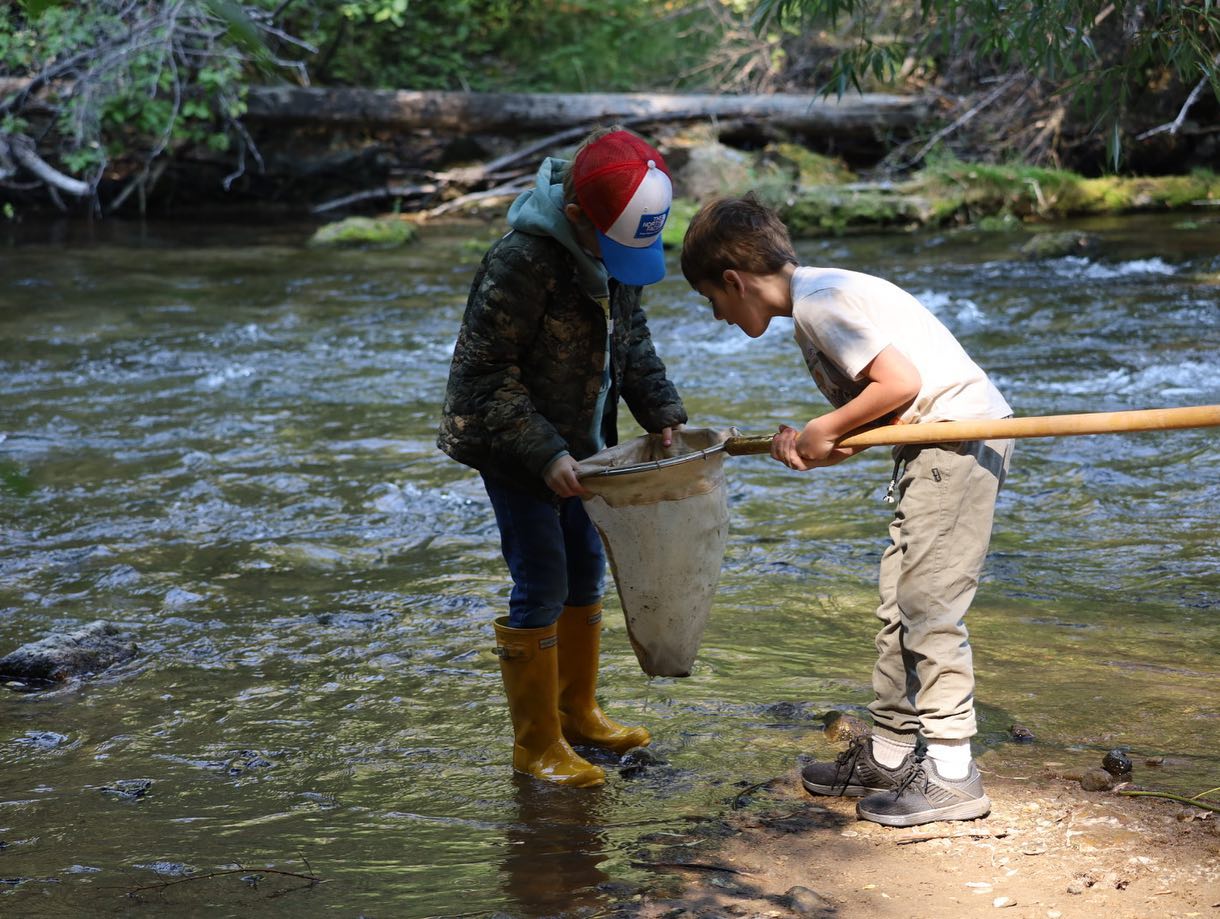
Hands on Stoneflies and Sculpin

Hands on Stoneflies and Sculpin: Exploring the Logan River Courtesy & Copyright Edith Bowen Laboratory School (EBLS) Experiential Learning Eric Newell Director & Photographer https://edithbowen.usu.edu/
Exploring the Logan River
Courtesy & Copyright Edith Bowen Laboratory School (EBLS)
Experiential Learning Eric Newell Director & Photographer
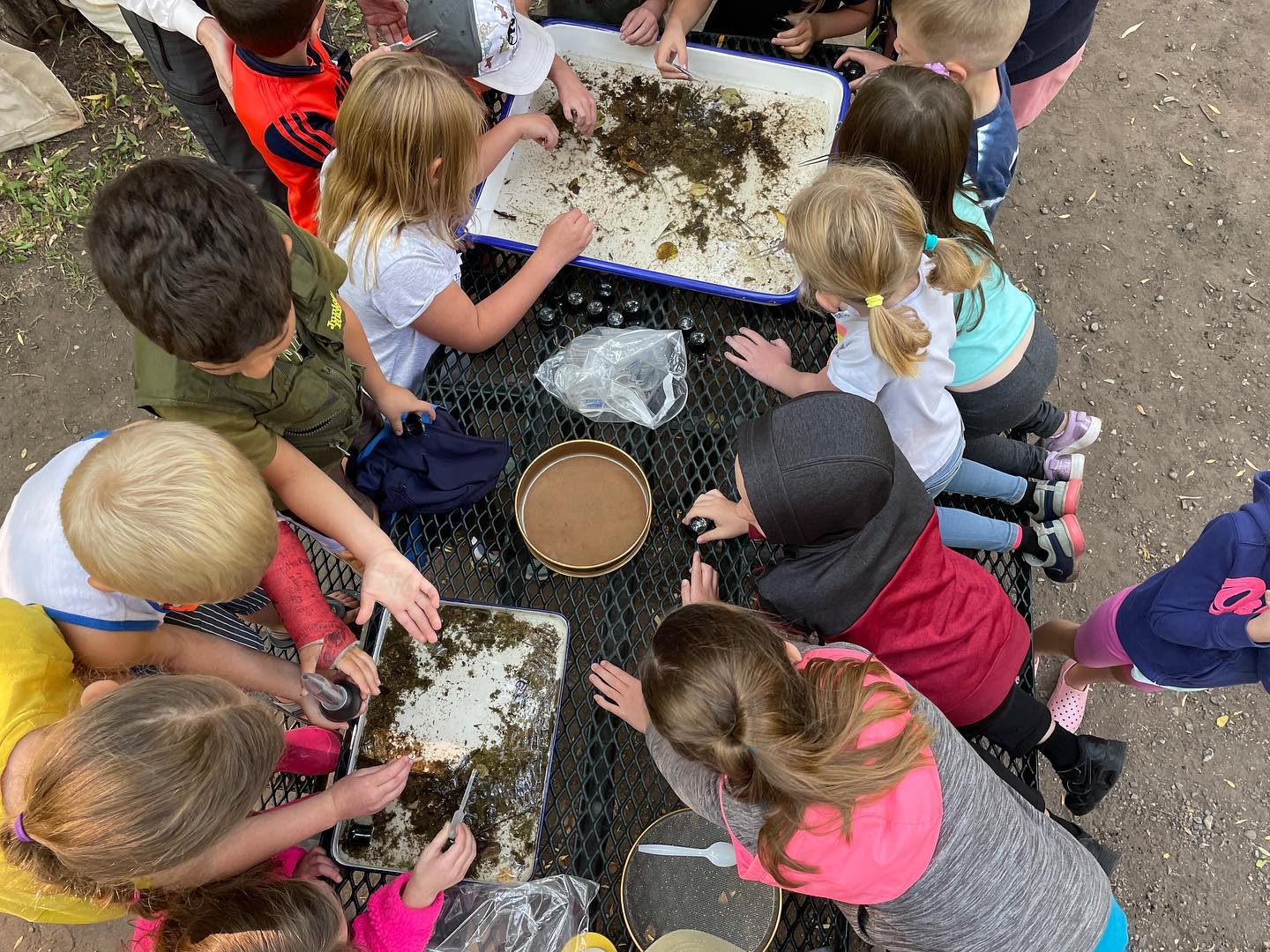
Benthic Macroinvertebrate Harvest Courtesy & Copyright Edith Bowen Laboratory School (EBLS) Experiential Learning Eric Newell Director & Photographer https://edithbowen.usu.edu/ Benthic Macroinvertebrate Harvest
Courtesy & Copyright Edith Bowen Laboratory School (EBLS)
Experiential Learning Eric Newell Director & Photographer

Merriam-Webster Benthic: of, relating to, or occurring at the bottom of a body of water
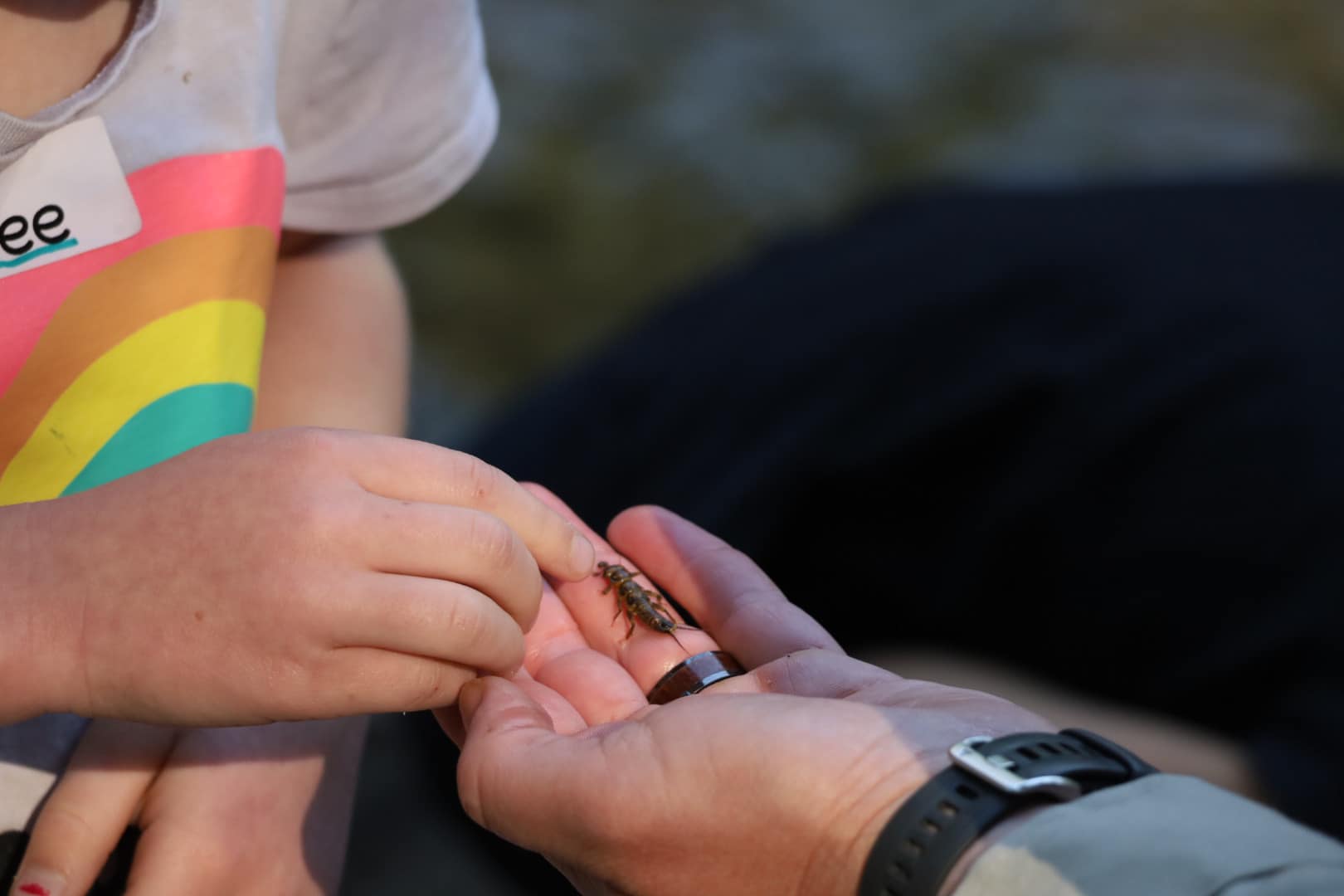
Student with a Stonefly Nymph Courtesy & Copyright Edith Bowen Laboratory School (EBLS) Experiential Learning Eric Newell Director & Photographer https://edithbowen.usu.edu/ Student with a Stonefly Nymph
Courtesy & Copyright Edith Bowen Laboratory School (EBLS)
Experiential Learning Eric Newell Director & Photographer
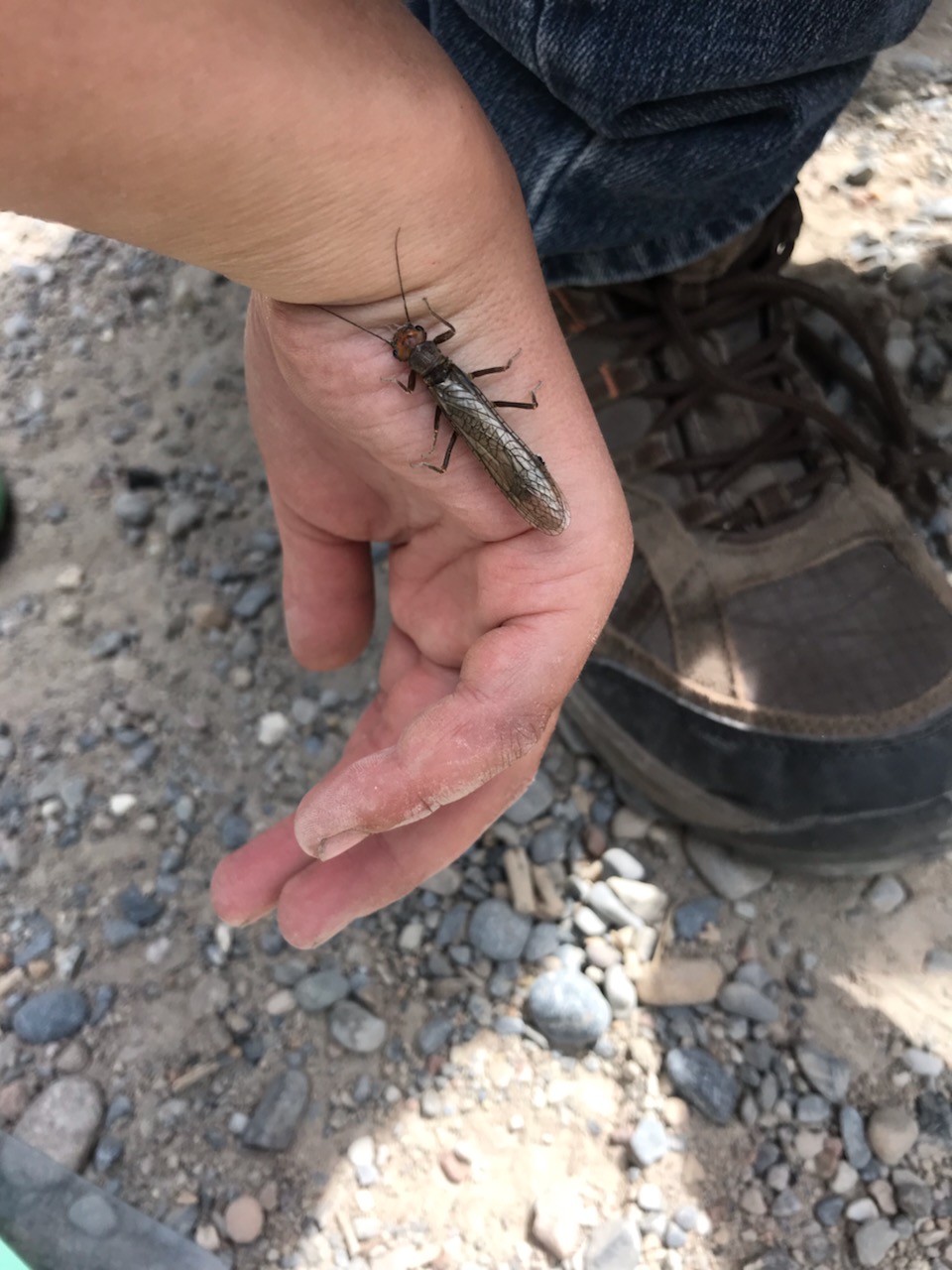
Stonefly Courtesy & Copyright Edith Bowen Laboratory School (EBLS) Experiential Learning Eric Newell Director & Photographer https://edithbowen.usu.edu/ Stonefly
Courtesy & Copyright Edith Bowen Laboratory School (EBLS)
Experiential Learning Eric Newell Director & Photographer
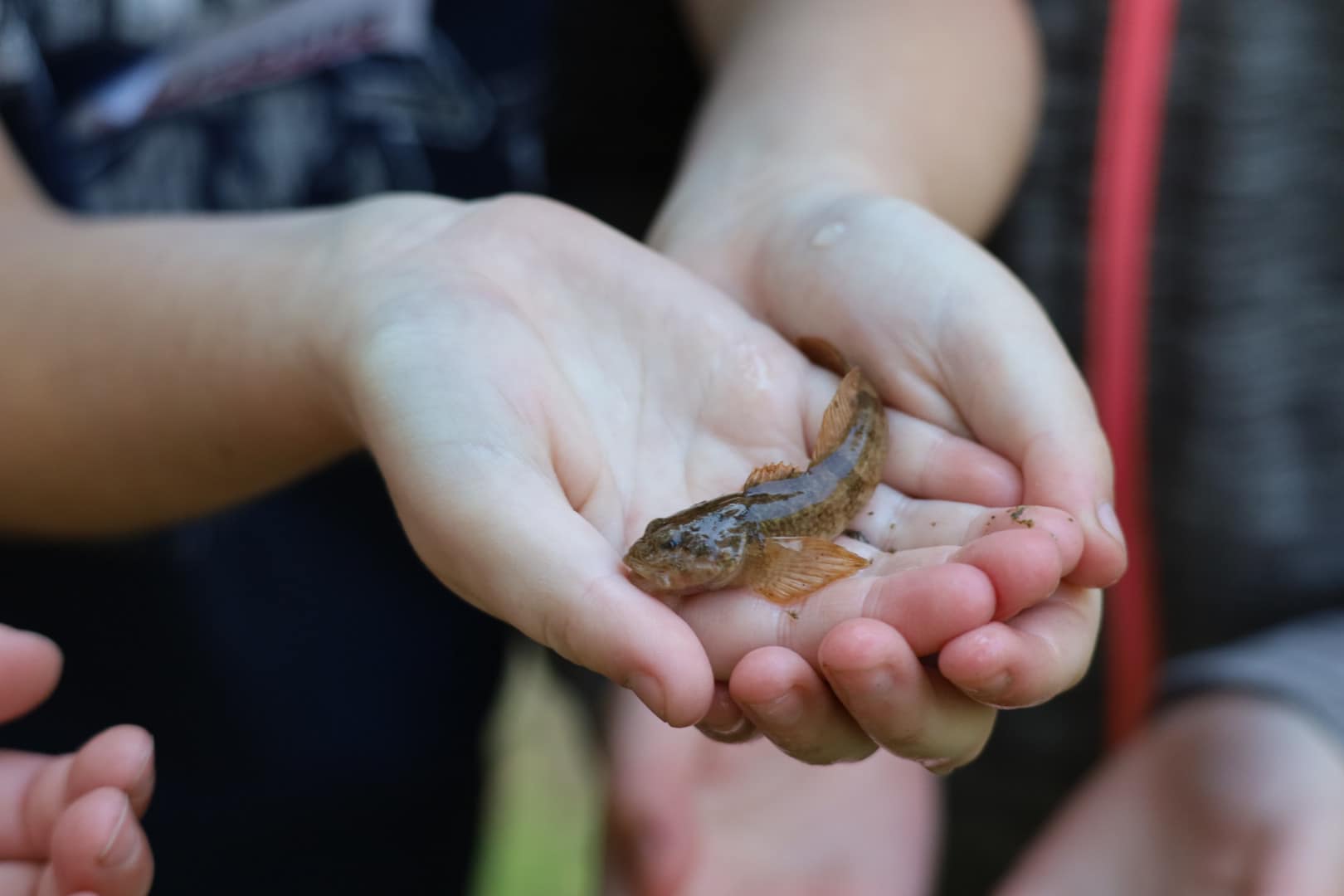
Sculpin Courtesy & Copyright Edith Bowen Laboratory School (EBLS) Experiential Learning Eric Newell Director & Photographer https://edithbowen.usu.edu/ Sculpin
Courtesy & Copyright Edith Bowen Laboratory School (EBLS)
Experiential Learning Eric Newell Director & Photographer

I remember my father on wintery Saturdays mounting his fly tying vice on the kitchen table, and then, from the cavern under the stairs, he’d emerge with his hooks, pheasant and peacock feathers, and other magical threads. I’d watch him spin intricate flies but never realized as a child that they were imitations of creatures I would meet and teach in the wild. When he took me to lakes and rivers to fish, we just used worms and pink marshmallows.

On an animal adaptation learning journey at Wood Camp along the Logan River this fall, our Edith Bowen Laboratory School first graders turned over river rocks, sweeping up all sorts of aquatic critters with nets and buckets to then probe playfully with tweezers and bare fingers. Trip Armstrong, Assistant Director of the National Aquatic Monitoring Center at Utah State University’s Department of Watershed Sciences, led our young investigators and several adult volunteers in identifying these benthic macroinvertebrates, especially the stonefly nymphs we found in every scoop.

These especially intrigued the children because they resemble something from outer space scurrying about on six legs. Stoneflies, both the nymphs and the adult insects, are large compared to mayfly and other critters you find in a river sample, so they stand out in a crowd. The adults have long wings, thus the Greek name Plecoptera meaning “braided wings,” but they are known to be poor fliers. The larvae have two tails or what biologists call cerci, while mayflies have three. Stoneflies have two hooks on their legs; mayflies have one. Stoneflies like oxygen-rich water flowing through their gills along their thorax and under their legs. We noticed some doing push-ups in the bin of river water, indicating it was time to return them to their habitat. Both mayfly and stonefly nymphs are pollution-sensitive, so finding them in such large numbers indicated that this part of the river was very healthy.

When a student approached from the river’s edge with a larger specimen cupped in her hands, I was stunned and a little spooked. “It’s a sculpin,” Armstrong said. These are bottom-dwelling fish that some say are basically big mouths with tails and have unflattering nicknames like “double uglies,” yet I learned later they are quite common. I’d just never met one. In fact, although biologists have determined that the Utah Lake sculpin has been extinct since the 1930s, the native Bear Lake sculpin and sculpin living in the Logan River are sources of food for the Bonneville Cutthroat and other trout.

I guess the lesson, as a wise first grader reminded me this week during our opinion writing session, is “Don’t yuck somebody’s yum.” Stoneflies and sculpin: flyfishers and bigger fish love them. I’m thankful for opportunities to teach in Utah’s wild places because every time I do, I learn something new.

I am Shannon Rhodes, and I’m wild about Utah.

Credits:

Images: Courtesy & Copyright Edith Bowen Laboratory School (EBLS)
Experiential Learning Eric Newell Director & Photographer https://edithbowen.usu.edu/
Audio: Courtesy & © J. Chase and K.W. Baldwin
Text: Shannon Rhodes, Edith Bowen Laboratory School, Utah State University https://edithbowen.usu.edu/https://edithbowen.usu.edu/
Additional Reading Links: Shannon Rhodes

Additional Reading

Beaudreau, Andrea. 2017. Why I Love Sculpins (and Why You Should Too). Coastal Fisheries Ecology Lab. https://annebeaudreau.com/2017/09/05/why-i-love-sculpins/

Bouchard, R.W. Jr. 2004. Guide to Aquatic Invertebrates of the Upper Midwest. 2004. https://dep.wv.gov/WWE/getinvolved/sos/Documents/Benthic/UMW/Plecoptera.pdf

Curtis, Jennifer Keats with Stroud Water Research Center. 2020. Arbordale Publishing. https://www.arbordalepublishing.com/bookpage.php?id=CreekCritters

Dickey, Amy. Water Quality and Macroinvertebrates. https://deq.utah.gov/communication/news/water-quality-macroinvertebrates

Larese-Casanova, Mark. 2013. Aquatic Insects, Harbingers of Health. Wild About Utah, https://wildaboututah.org/aquatic-insects-harbingers-of-health/

Leavitt, Shauna. 2017. Bear Lake Sculpin. Wild About Utah, https://wildaboututah.org/bear-lake-sculpin-cottus-extensus/

National Aquatic Monitoring Center. https://qcnr.usu.edu/research/namc/ (was https://namc-usu.org/)

Pennsylvania League of Angling Youth. 2006. PLAY. https://www.pa.gov/agencies/fishandboat/education/activities-education-portal/aquatic-macroinvertebrates.html (formerly: https://www.fishandboat.com/LearningCenter/PennsylvaniaLeagueofAnglingYouthPLAY/Documents/AquaticMacrosEnaElpaMayflyPondstream_Allpages.pdf)

Stroud Water Research Center. Macroinvertebrate Resources. https://stroudcenter.org/macros/

Utah Division of Wildlife Resources. Five Aquatic Species You May Not Know Live in Utah. Mottled Sculpin. https://wildlife.utah.gov/guidebooks/962-r657-29–government-records-access-management-act.html

Utah State University Extension. Bugs Don’t Bug Me. https://digitalcommons.usu.edu/extension_curall/1170/ (formerly: https://extension.usu.edu/waterquality/files-ou/Publications/AllBugs.pdf)

Zarbock, William. 1952. Life History of the Utah Sculpin. Transactions of the American Fisheries Society. https://www.tandfonline.com/doi/abs/10.1577/1548-8659%281951%2981%5B249%3ALHOTUS%5D2.0.CO%3B2

Intelligent Tree Squirrels

Intelligent Squirrels: Squirrel Courtesy Pixabay
Squirrel
Courtesy Pixabay
Primates of the northlands. I consider tree squirrels to be on par with many primates for intelligence and agility. Those who have bird feeders may agree with me as they vainly attempt to thwart squirrel’s from invading their feeders. We have red squirrels visiting our bird feeder regularly. I’ve outsmarted them for the moment, but they continue to work on the problem I’ve presented them and feel a failure coming my way!

I’ve watched red squirrels manipulate fir cones with their front paws with amazing dexterity. Like myself eating a cob of corn, it spun the cone rapidly while shredding the cone scales to access the seed. Their tiny toes grip the cone identically to my fingers gripping the cob of corn. I’m amazed how they can unerringly navigate their way from tree to tree through our forest. There are many examples of squirrel intelligence witnessed by animal behaviorists.

Arboreal squirrels often build dreys that look like bird nests. Dreys are made up of twigs , moss, feathers and grass. All the items surrounding the dreys provide support and insulation. Chimpanzees exhibit very similar behavior.

Squirrels make use of several vocalizations to communicate with each other, they also create scents to attract opposite sex or communicate. They can create signals with their tails as well, by twitching it to alert other squirrels on the presence of a potential danger.

Tree squirrels display fantastically acrobatic movements, phenomenal adaptability to urban environments, and possess very cute little faces to boot. The 7th International Colloquium on Arboreal Squirrels was held 2018 in Helsinki, Finland. Studies routinely come discover new, amazing behaviors, especially involving the squirrel’s signature behavior, that it buries caches of its food to access later. One experiment found that they’ll try multiple tactics to open a locked box. Another found that squirrels remember the location of their caches without using their keen noses to locate them. Another found that they’re able to quickly learn from their peers.

A 2010 study found that squirrels actually engage in deceptive, or paranoid, behavior. When squirrels are being watched, they’ll construct fake caches, pretending to bury a nut by digging a hole, patting it down with their front teeth, and scraping dirt or grass over the top of it while concealing the nut in a pocket near their armpit, and will make the real cache somewhere else. Even while watching, it can be difficult to tell when a squirrel is making a fake or a real cache. How smart is that?

A study was conducted at UC Berkley in which students were placed in a competitive game to act like squirrels. They hid caches of plastic eggs, and then 15 minutes later returned to find them. This is a very squirrel-like test: memory, deception, location, observation, paranoia. Most students couldn’t remember their own hiding places. Squirrels bury about 10,000 nuts per year, making many different caches, and may not uncover them for months. They may dig up a cache and bury it somewhere else, and do that up to five times. Squirrels, unlike UC Berkeley students, are engaged in this intellectually draining activity while also avoiding predators and braving the elements.

This is Jack Greene for Bridgerland Audubon. I’m Wild About Utah and its amazing squirrels!

Credits:

Picture: Courtesy Pixabay, Alexas Fotos, Photographer, https://pixabay.com/photos/squirrel-rodent-animal-cute-nature-5158715/
Audio: Courtesy UPR
Text: Jack Greene, Bridgerland Audubon, https://bridgerlandaudubon.org/
Additional Reading: Lyle W Bingham, Webmaster, and Jack Greene, Author, Bridgerland Audubon, https://bridgerlandaudubon.org/

Additional Reading:

Jack Greene’s Postings on Wild About Utah, https://wildaboututah.org/author/jack/

Utah Fox Squirrels, NHMU is studying Fox Squirrels, and we need your help!, Natural History Museum of Utah, https://nhmu.utah.edu/citizen-science/utah-fox-squirrels

Types of Squirrels in Utah! (3 species w/ pictures), Bird Watching HQ, https://birdwatchinghq.com/squirrels-in-utah/


Ripple Effects: Enhance Backyard Birdwatching When You Feed & Protect Birds

Ripple Effects: Enhance Backyard Birdwatching When You Feed & Protect Birds: Downy Woodpecker Male at Bird Feeder Courtesy US FWS, Leah Schrodt, Photographer
[Downy Woodpecker Male at] Bird Feeder
Courtesy US FWS, Leah Schrodt, Photographer

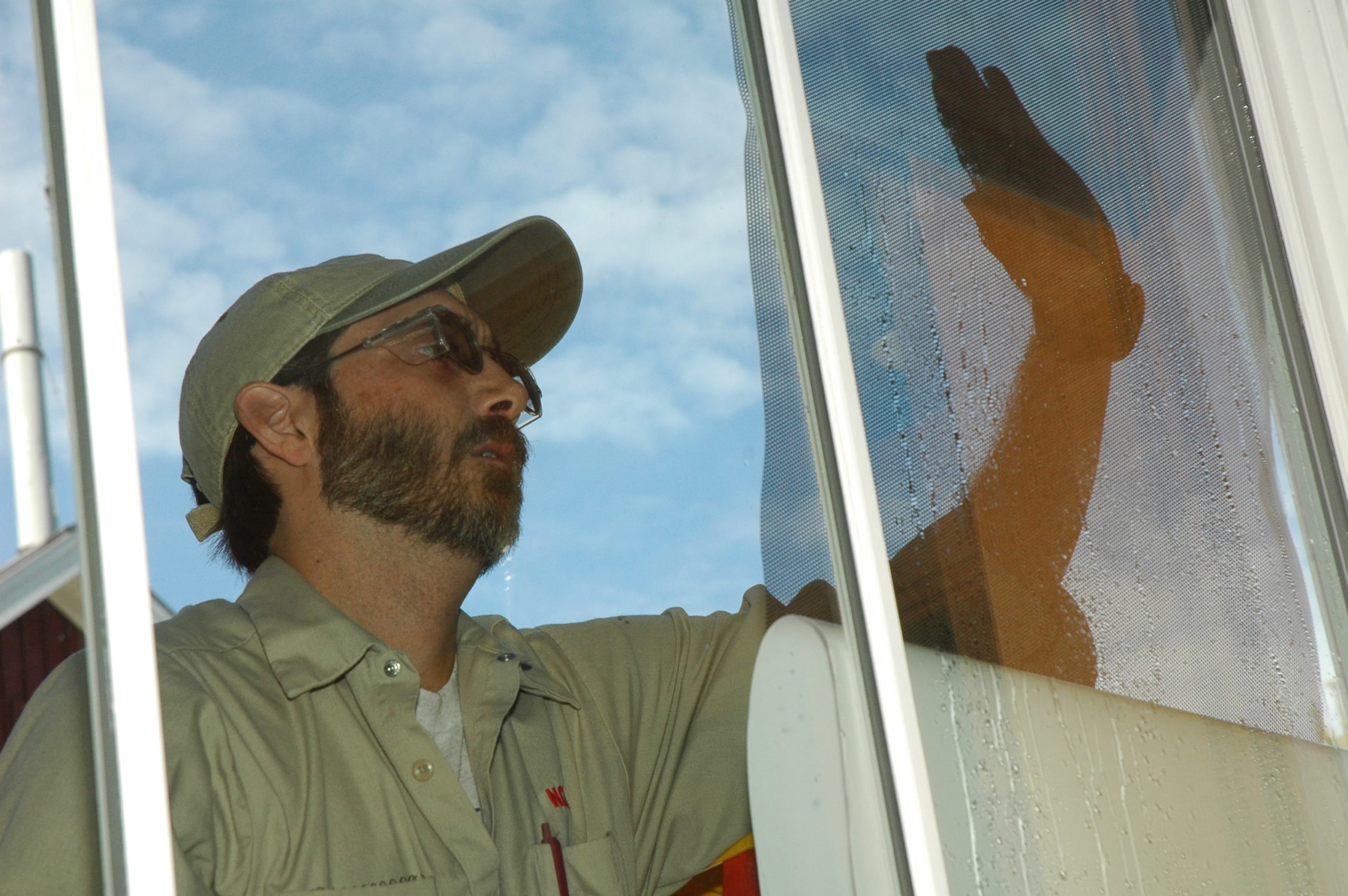
Applying Anti-Strike Film to Window Courtesy US FWS Brett Billings Photographer Applying Anti-Strike Film to Window
Courtesy US FWS
Brett Billings Photographer

Birdwatching is a fun hobby for all ages and it is a great way to connect with nature and increase self-efficacy, so let’s discuss the benefits and the importance of a safe environment for feeding our backyard birds. First, the benefits of supplemental feeding, and second, preventable deaths from cats and window collisions.

Supplemental food and water are important ways we can reduce stress for backyard birds, especially through the winter months. Sites with bird feeders attract more birds over time than those without feeders, and the birds are in overall greater health than birds at sites without feeders. A higher percentage of chicks hatch at sites with bird feeders, and the survival rates are significantly higher, but supplemental feeding must be done in a safe environment.

Free ranging domestic cats and window collisions are leading causes of bird deaths in North America. The American Bird Conservancy estimates that outdoor cats kill approximately 2.4 billion birds every year in the United States alone. Approximately one billion birds are dying from window collisions each year in North America – that represents about ten percent of our birds dying from crashing into windows (1), and combined, that’s over three billion fewer insect eaters, fewer pollinators, fewer seed spreaders, and fewer parents for the next generation.

Cats should be kept indoors, and windows should be treated, especially if they reflect trees and shrubs. If you have seen a ghostly bird imprint or heard the sickening thump of a bird hitting your windows, then those are windows in need of treatments such as screens, translucent UV tape, or even tempera paint designs, because even birds that manage to fly away have potentially life-threatening internal injuries. Feeders less than 3 feet away don’t allow birds to build up too much speed before they collide, so it’s good to put feeders and birdbaths 3 feet or closer to a window or greater than 30 feet away.

Feeders placed on or near windows have the added benefit of being easy to access and monitor. In addition to a window suet feeder, one of my favorite window feeders is actually a clear plastic suction-cup toothbrush cup holder from the dollar store – it’s easy to clean and there’s no need for binoculars!

In addition to enhancing a backyard bird watching hobby and improving bird health and survival, the ripple effects of feeding birds, keeping cats indoors, and preventing window collisions include pest control in our gardens where birds feast on slugs, snails, aphids and grasshoppers. I for one particularly appreciate Black-billed Magpies when they remove wasp nests from my house! The Bridgerland Audubon website has tools, coloring pages, checklists, and science-based information on window collision prevention. Solutions can be as simple as the careful placement of bird feeders and keeping cats indoors. Find us at bridgerlandaudubon.org, that’s Bridgerland Audubon – A-U-D-U-B-O-N dot org.

I’m Hilary Shughart, and I’m wild about Bridgerland Audubon, wild about Utah Public Radio, and Wild About Utah!Supplemental food and water are important ways we can reduce stress for backyard birds
Credits:
Images: Courtesy US Fish & Wildlife Service, Leah Schrodt and Brett Billings, Photographers
Featured Audio: Courtesy & Copyright © Kevin Colver, https://wildstore.wildsanctuary.com/collections/special-collections/kevin-colver
Text: Hilary Shughart, President, https://bridgerlandaudubon.org/
Additional Reading: Hilary Shughart and Lyle Bingham, https://bridgerlandaudubon.org/

Additional ReadingSupplemental food and water are important ways we can reduce stress for backyard birds
WildAboutUtah pieces by Hilary Shughart, https://wildaboututah.org/author/hilary-shughart/

Procure Bird Seed from local Audubon Chapters:
Great Salt Lake Audubon
2022 Seed Sale: https://greatsaltlakeaudubon.org/events/fall-2022-seed-sale-fundraiser
Bridgerland Audubon
Other Statewide Birding Groups

Hellstern, Ron, Build a Certified Wildlife Habitat at Home, Wild About Utah, July 17, 2017, https://wildaboututah.org/build-community-wildlife-habitats/

Hellstern, Ron, Attracting Birds and Butterflies to Your Yard, Wild About Utah, May 28, 2018, https://wildaboututah.org/attracting-birds-and-butterflies-to-your-yard/

Beorchia, Mykel, How To Create a Bird Friendly Yard, Wild About Utah, November 9, 2020, https://wildaboututah.org/how-to-create-a-bird-friendly-yard/

Shughart, Hilary, To Grow Your Own Bird Food, Native Plants Are Key!, Wild About Utah, April 12, 2021, https://wildaboututah.org/native-plants-are-key/

Kervin, Linda, Bird Feeding, https://wildaboututah.org/bird-feeding/

Kervin, Linda, Cane, Jim, Feed the Birds, Wild About Utah, December 1, 2011, https://wildaboututah.org/feed-the-birds/

Creating Landscapes for Wildlife… A Guide for Backyards in Utah, Written by Sue Nordstrom and Illustrated by Kathlyn Collins Department of Landscape Architecture and Environmental Planning, Utah State University with Margy Halpin, Utah Division of Wildlife Resources; Second Printing 2001,
Updated for the Utah Division of Wildlife Resources, by Frank Howe, DWR Avian coordinator; Ben Franklin, DWR–Utah Natural Heritage Program botanist; Randy Brudnicki, DWR publications editor; and landscape planning illustrations by Stephanie Duer.,
Published by:
State of Utah Natural Resources, Division of Wildlife Resources,
Utah State University Cooperative Extension Service and
Utah State University Department of Landscape Architecture and Environmental Planning;
1991 updated 2001 https://wildlife.utah.gov/pdf/landscapingforwildlife.pdf

Sizemore, Grant, Cats Indoors–Cats and Birds, American Bird Conservancy, https://abcbirds.org/program/cats-indoors/cats-and-birds/

Bird-Strike Prevention: How to Stop Birds From Hitting Windows, American Bird Conservancy, https://abcbirds.org/glass-collisions/stop-birds-hitting-windows/

Messmer, Terry, Cowell, Samuel, Dietrich, Dietrich, and Sullivan, Kimberly, Ask an Expert: Seven Tips to Keep Birds from Hitting Your Windows, Utah State University Extension, March 28, 2017, https://extension.usu.edu/news_sections/agriculture_and_natural_resources/bird-windows

Cowell, Samuel, Dietrich, Dietrich, Sullivan, Kimberly and Messmer, Terry, Reducing the Risk of Birds Colliding into Windows:
A Practical Guide for Homes and Businesses [NR/Wildlife/2017-01pr], Utah State University Extension, March 2017, https://digitalcommons.usu.edu/cgi/viewcontent.cgi?article=2682&context=extension_curall

Klem, Jr., Daniel, Solid Air: Invisible Killer: Saving Billions of Birds from Windows, Hancock House Publishers, October 5, 2021, https://www.amazon.com/Solid-Air-Invisible-Killer-Billions/dp/0888396465

For the Birds (Download Brochure PDF), US Fish & Wildlife Service, U.S. Department of the Interior, rev March 2001, https://digitalmedia.fws.gov/digital/api/collection/document/id/1107/download

Morse, Susan, To Feed or Not to Feed Wild Birds–Bird Feeders Can Be Sources of Joy — and Disease,, US Fish & Wildlife Service, U.S. Department of the Interior, https://www.fws.gov/story/feed-or-not-feed-wild-birds

Make Your Home a Safe, Healthy Home for Birds,, US Fish & Wildlife Service, U.S. Department of the Interior, Sep 13, 2021, https://www.fws.gov/story/2021-09/backyard-birds

Celley, Courtney, Helping wildlife while avoiding common pitfalls,, US Fish & Wildlife Service, U.S. Department of the Interior, https://www.fws.gov/story/helping-wildlife-while-avoiding-common-pitfalls

West Nile virus bird identification, , Utah Division of Wildlife Resources, October 20, 2017, https://wildlife.utah.gov/bird-identification.html

Dragon, Sydney, (Student Conservation Association intern), Conservation in Urban Areas: Backyard Bird Feeding, US Fish & Wildlife Service Bird Walks (Texas), U.S. Department of the Interior, Apr 27, 2021, https://youtu.be/2bkliew6aj8

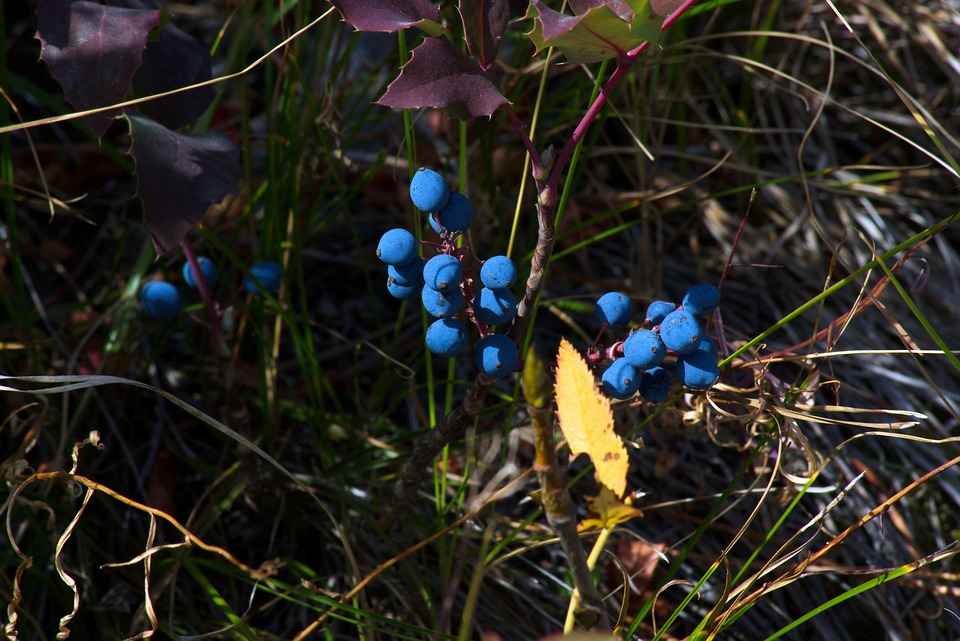
Berries

Berries: Oregon Grape  <i>Mahonia repens</i> Producing Blue Berries in the Grand Tetons Park Courtesy Pixabay, Mike Goad, Photographer
Oregon Grape
Mahonia repens
Producing Blue Berries in the Grand Tetons
Courtesy Pixabay, Mike Goad, Photographer,

Red Raspberry Rubus idaeus var. strigosus Courtesy NPS, Yellowstone's Photo Collection, JW Stockert Photographer, 1972 Red Raspberry
Rubus idaeus var. strigosus
Courtesy NPS, Yellowstone’s Photo Collection, JW Stockert Photographer, 1972

Thimbleberry Rubus parviflorus Courtesy NPS, Yellowstone's Photo Collection, JW Stockert, Photographer Thimbleberry
Rubus parviflorus
Courtesy NPS, Yellowstone’s Photo Collection, JW Stockert, Photographer

Utah-Serviceberry Rosaceae Amelanchier utahensis Courtesy National Park Service, Lee Ferguson, Photographer Utah-Serviceberry
Rosaceae Amelanchier utahensis
Courtesy National Park Service, Lee Ferguson, Photographer

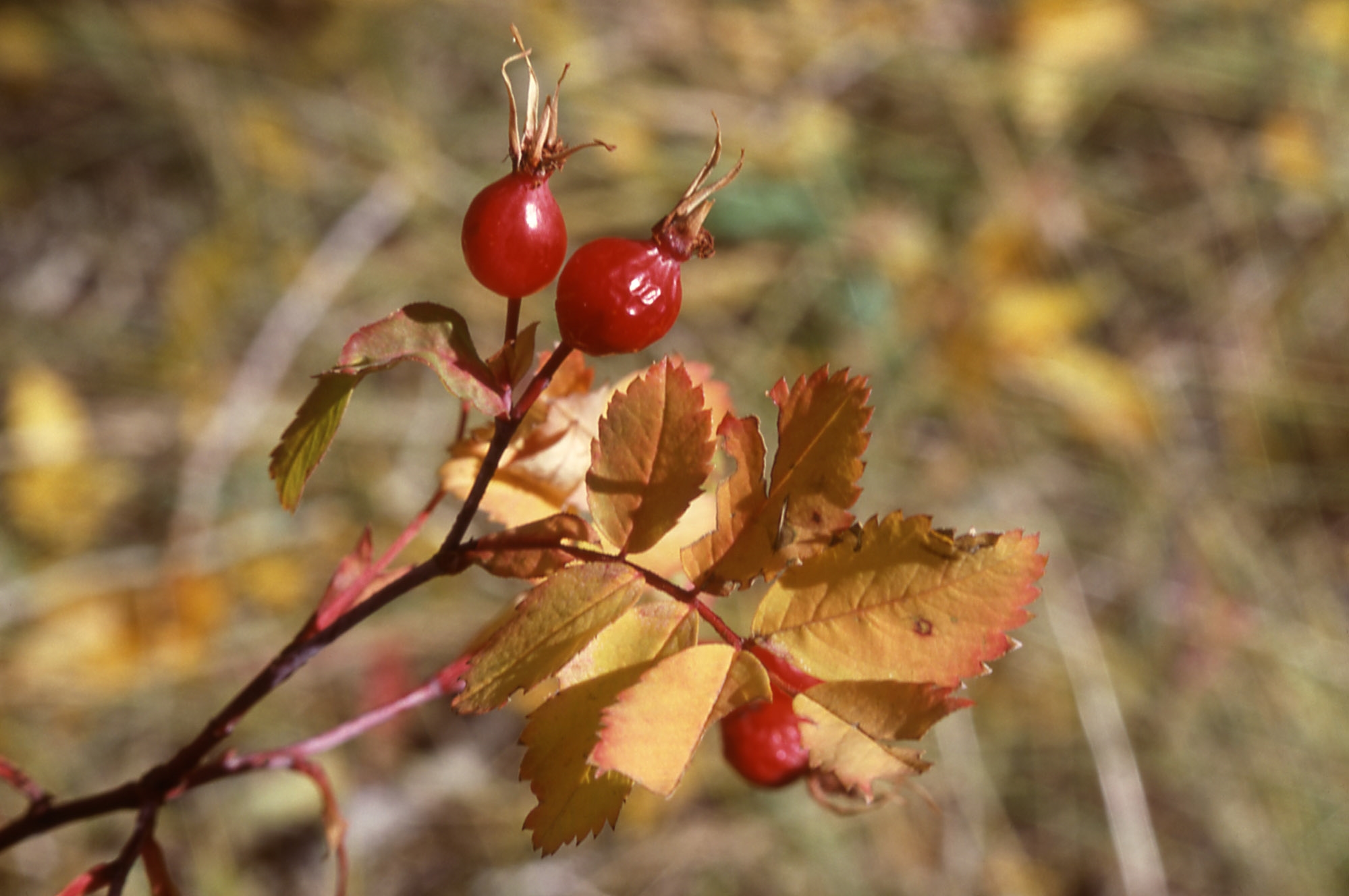
Rose Hips Wood's rose Rosa woodsii Courtesy NPS, Yellowstone's Photo Collection, J Schmidt, Photographer, 1977 Rose Hips
Wood’s rose Rosa woodsii
Courtesy NPS, Yellowstone’s Photo Collection, J Schmidt, Photographer, 1977

The berry season is upon us- huckleberries, raspberries, gooseberries, chokecherries (not a berry but close enough), elderberries, bearberries, while early berries have faded- golden current, serviceberries, thimble berries are now fruit leather.

Berry picking during my youth in the North woods of Wisconsin was a wonderful tradition that I, and our black bear neighbors, looked forward to with great anticipation. We often shared the same patch evident by fresh bear scat and tracks. Those rare occasions where brother and sister bear were with us are frozen in time. “Just keep picking and talking- they won’t bother us.” My grandmother’s refrain. I was enthralled, watching every move and sound they made, with an occasional “woof” from mother bear alerting the youngsters.

Now, so many years later, I take my students to the Tetons hoping for a glimpse of bruins harvesting berries, rose hips, and thorn apples along streams and roadsides. Black bears are efficient berry-eaters, consuming up to 30,000 berries a day in a good year. They gather berries quickly, using their sensitive, mobile lips swallowing them whole. The berries enter a two-part stomach, which grinds the pulp off the seeds which pass through unbroken and are able to germinate, making black bears important seed dispersers.

Our Bear River Range here in Northern Utah was once a stronghold for the bruin. Overharvesting by hunters and the government has left it wanting, but the berries remain. One berry favored by bears is the white snowberry. Don’t copy the bears on this one as it’s toxic, but a great medicinal. Another that I avoid is the buffalo berry, called soapberry in the northwest. It contains saponin, the active ingredient in most soaps. It’s much like biting into a bar of soap, applied in my younger years for mouth cleansing. And please avoid the voluptuous red and white fruit of the bane berry, and cute little mini tomatoes of deadly night shade. You will be all the better for it.

“Harvesting berries can be a powerful meditation, centering us in the power of “now,” and is one of the oldest human experiences. This simple action can be an opportunity to revel in the abundance of nature. Tangibly interacting with food that is so wired into its life source is otherworldly, and it reminds us of a time when humans were more directly connected to the origins of our food. It is a grounding experience that demands every cell in your body resonate with the source of our food, catalyzing our connections to the universe.” Valerie Segrest quote

I strongly recommend “Blueberries for Sal” for younger generations. A delightful 1948 children’s book by renowned author Robert McCloskey. I recently visited the Blueberry Hill in Main’s Acadian N.P., the location for this story, and picked a few myself. Unfortunately, the bears had been replaced swarms of tourists!

Jack Greene for Bridgerland Audubon Society, and yes, I’m wild about Utah’s bears and wild berries!

Credits:

Pictures:
Oregon Grape Producing Blue Berries in the Grand Tetons, Courtesy Pixabay, Mike Goad, Photographer, https://pixabay.com/photos/blue-wild-berries-in-the-tetons-blue-3842367/
Red raspberry (Rubus idaeus var. strigosus); JW Stockert; 1972, Courtesy NPS, Yellowstone’s Photo Collection, https://www.nps.gov/features/yell/slidefile/plants/rosefamily/Images/08720.jpg
Wood’s rose (Rosa woodsii) hips; J Schmidt; 1977, Courtesy NPS, Yellowstone’s Photo Collection, https://www.nps.gov/features/yell/slidefile/plants/rosefamily/Images/06964.jpg
Thimbleberry (Rubus parviflorus); JW Stockert; 1973, Courtesy NPS, Yellowstone’s Photo Collection, https://www.nps.gov/features/yell/slidefile/plants/rosefamily/Images/08718.jpg
Utah Serviceberry, Rosaceae_Amelanchier_utahensis, Courtesy US NPS, Lee Ferguson, Photographer, https://www.nps.gov/arch/learn/nature/images/Rosaceae_Amelanchier_utahensis.jpg
Audio: Courtesy & © Friend Weller, https://upr.org
Text: Jack Greene, Bridgerland Audubon, https://bridgerlandaudubon.org/
Additional Reading: Lyle W Bingham, Webmaster, and Jack Greene, Author, Bridgerland Audubon, https://bridgerlandaudubon.org/

Additional Reading:

Jack Greene’s Postings on Wild About Utah, https://wildaboututah.org/author/jack/

Valerie Segrest, Foods Still Matter: The Muckleshoot Food Sovereignty Project, National Museum of the American Indian, The Smithsonian Institution, 2018, https://americanindian.si.edu/nk360/pnw-history-culture/muckleshoot

Valerie Segrest, Food sovereignty, TEDxRainier, TEDxSeattle, https://tedxseattle.com/talks/food-sovereignty/

McCloskey, Robert(Author), Blueberries for Sal, Puffin Books, September 30, 1976 https://www.amazon.com/Blueberries-Sal-Robert-McCloskey/dp/014050169X

A Bear’s Menu, Student Activities, Educator Resources, Yellowstone National Park, https://www.nps.gov/teachers/classrooms/a-bears-menu.htm