Desert Animals-Extreme Survivors

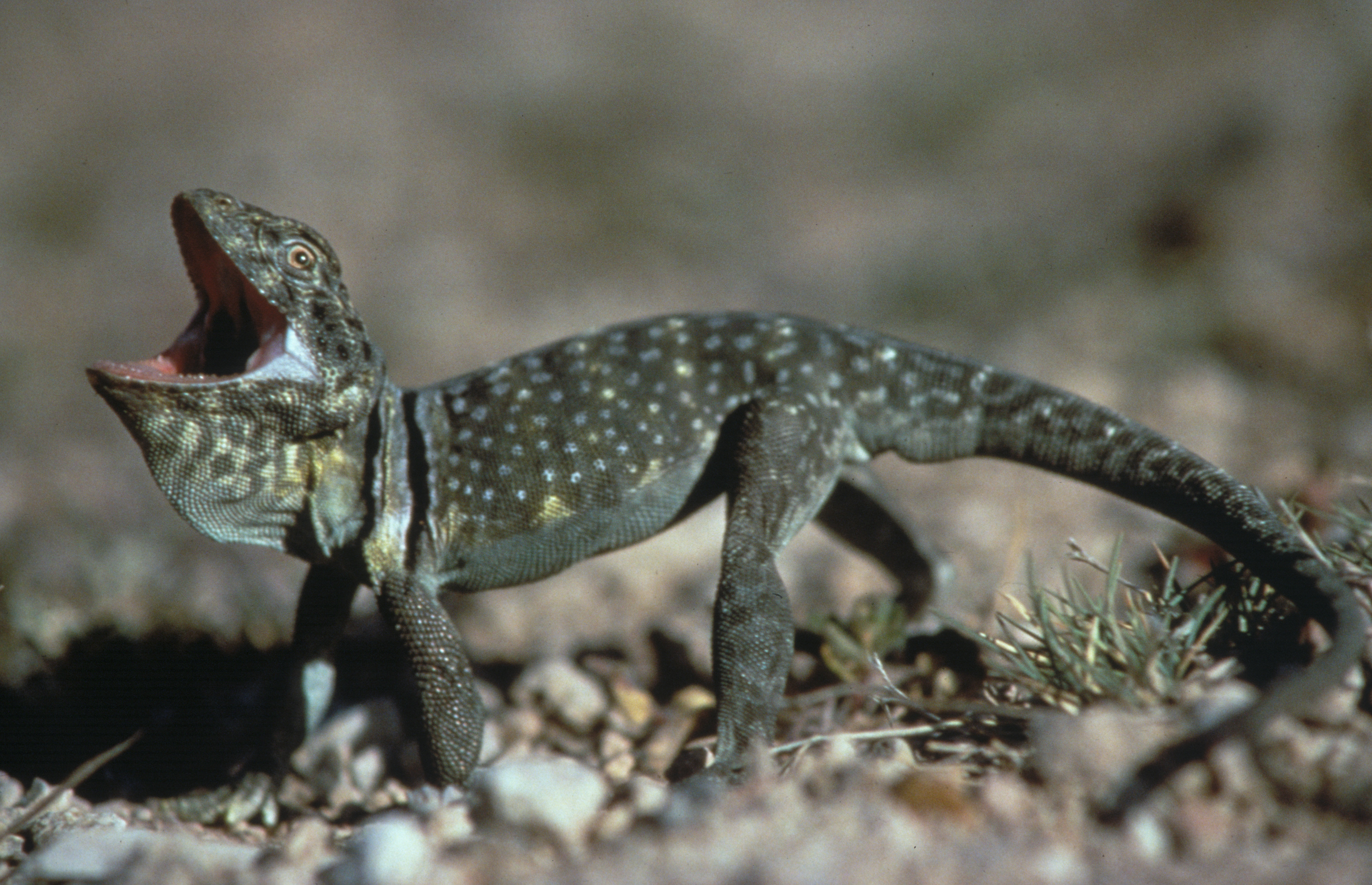
Desert Animals-Extreme Survivors: Collared lizard, Photo Courtesy US FWS, Lawrence Gamble, Photographe
Collared lizard
Photo Courtesy US FWS
Lawrence Gamble, Photographer

Kangaroo Rat
Photo Courtesy US FWS
George Harrison, Photographer
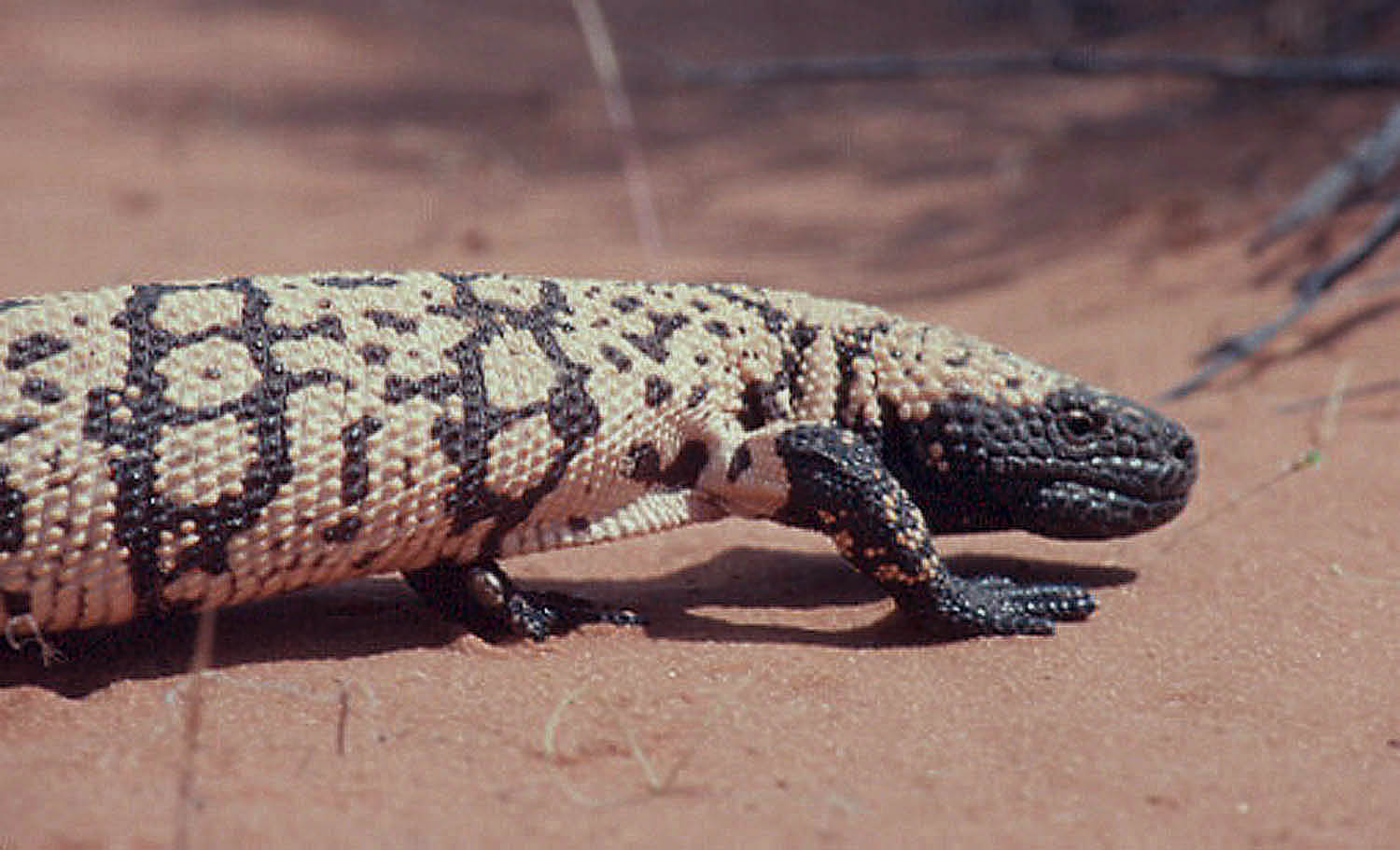
Gila Monster
Photo Courtesy & © Daniel D. Beck
Central Washington University
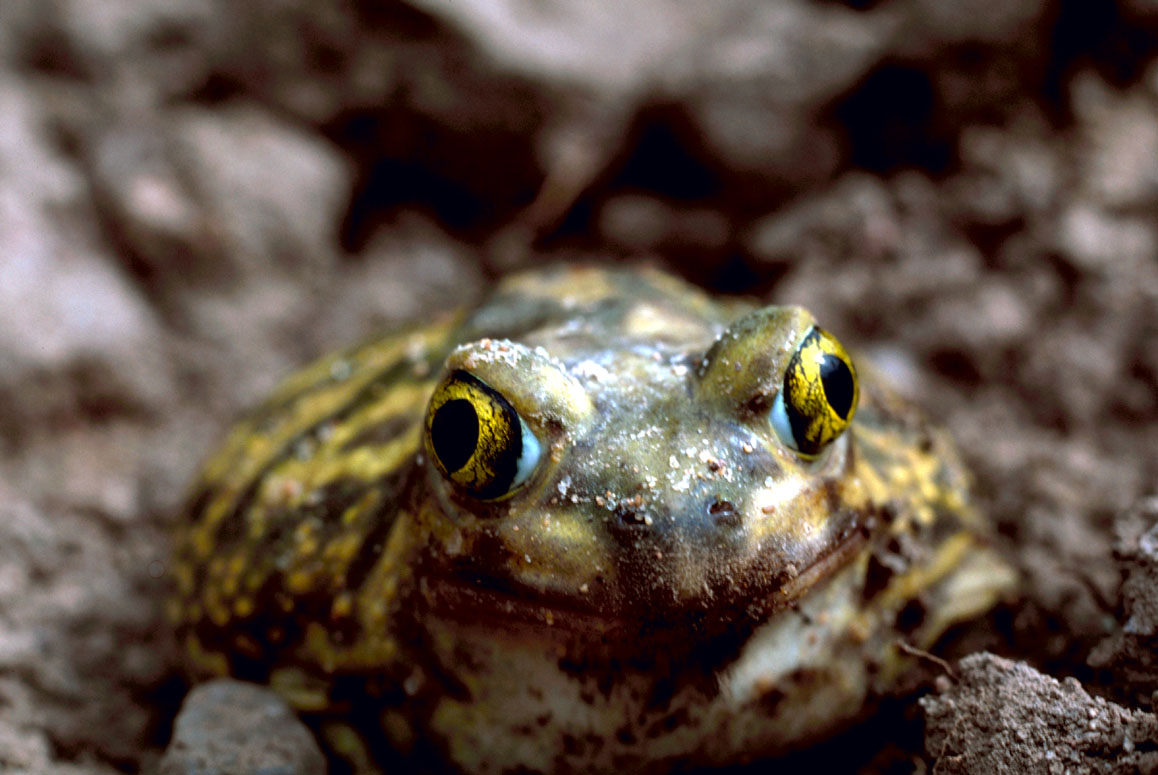
Couch’s Spadefoot Toad
Photo Courtesy US FWS
Gary M. Stolz, Photographer

Hi, this is Mark Larese-Casanova from the Utah Master Naturalist Program at Utah State University Extension. Desert Animals-Extreme Survivors

The three main deserts of Utah- the Great Basin to the west, the Colorado Plateau to the east, and the Mojave Desert in the southwest corner of the state- are each inhabited by animals that have unique adaptations for surviving the extreme heat, dryness, and sometimes cold temperatures of the desert.

Many animals survive in Utah’s deserts through behavioral adaptations. During the heat of the day, most animals can be found underground in burrows, or simply sitting in the shade of a shrub or tree. Reptiles, such as the desert tortoise and gila monster, spend almost all of their time in a burrow or under a rock. Many birds and mammals are most active near dawn and dusk when temperatures are coolest, yet there is enough light to see. Many bats, snakes, and rodents are nocturnal, and are only active at night!

Morphological adaptations, related to the shape or color of an animal’s body, are also important for living in the desert. The collared lizard has long legs and toes that keep its body away from the hot ground, reducing heat absorption. White-tailed antelope ground squirrels will use their bushy tails as a shade umbrella, and the long ears of the jackrabbit aid in dispersing body heat.

The kangaroo rat has perhaps the most amazing combination of adaptations for desert survival. Not only does it live in a burrow and is nocturnal, but it recaptures it’s own body moisture by storing food within its burrow. Dry seeds absorb moisture from the kangaroo rat’s breath, which condenses more readily in the cooler underground temperatures.

Physiological adaptations relate to a change in body function to aid survival in the desert. The kangaroo rat has such complex kidneys that it is able to retain as much water as possible. It also has specialized tissues in its nasal passages that help it retain much of the moisture that is normally lost through breathing. If the desert gets too hot, many animals will aestivate, which is similar to hibernating, but is usually in response to a lack of water rather than a lack of food. The spadefoot toad spends 10-11 months out of the year buried in the soil, only to emerge to breed and feed during summer rainstorms.

So, while at first glance, it may look like there isn’t much life in the desert, keep in mind that the vast array of adaptations help ensure the survival of a high diversity of plants and animals in such a harsh ecosystem.

For Wild About Utah, I’m Mark Larese-Casanova.

Credits:
Images: Courtesy US FWS images.fws.gov
            Courtesy & Copyright Daniel D. Beck, Central Washington University
Text:     Mark Larese-Casanova, Utah Master Naturalist Program at Utah State University Extension.

Additional Reading:

Utah’s Desert Dwellers: Living in a Land of Climate Extremes. Wildlife Review. Utah Division of Wildlife Resources
wildlife.utah.gov/wr/0706desert/0706desert.pdf

Deserts. James MacMahon. The Audubon Society Nature guides. 1985. https://www.amazon.com/Deserts-National-Audubon-Society-Nature/dp/0394731395

Natural History of the Colorado Plateau and Great Basin, Harper, St. Clair, Thorne, and Hess (Eds.), 1994. https://www.amazon.com/Natural-History-Colorado-Plateau-Great/dp/0870815113

The Biology of Deserts, David Ward, Oxford University Press, 2009. https://www.amazon.com/Biology-Deserts-Habitats/dp/0199211477

USA National Phenology Network

Courtesy USA National Phenology Network

The study of recurring plant and animal life cycle events is phenology. It is the calendar of nature. This includes when plants flower, when birds migrate and when crops mature. Phenology is relevant to interactions between organisms, seasonal timing and large-scale cycles of water and carbon. Phenology is important to us for many reasons. Farmers need to know when to plant and harvest crops and when to expect pests to emerge. Resource managers use it to monitor and predict drought and assess fire risk. Vacationers want to know when the best fall colors will be or when the wildflower blooms will peak. Timing varies but we can discern patterns.

The USA National Phenology Network monitors the influence of climate on the phenology of plants, animals and landscapes. They encourage people to observe phenological events such as flowering, migrations and egg laying. The Phenology Network provides a place to enter, store and share these observations, which are then compiled and analyzed nationwide. Participants range from individual observers in their own backyards to professional scientists monitoring long-term plots. My husband and I monitor leafing and flowering of lilacs, a key species in the program.

These observations support a wide range of decisions made routinely by citizens, managers, scientists and others. This includes decisions related to allergies, wildfires, pest control, and water management.

I urge you to participate. The National Phenology Network has many public, private and citizen partners. It is a great way to become involved in a nation-wide effort to better understand our environment. All this information and much more is available at the National Phenology website, to which there is a link from our Wild About Utah website.

This is Linda Kervin for Bridgerland Audubon Society.

Credits:

Text: Linda Kervin, Bridgerland Audubon Society
Additional Reading:

Linda Kervin’s pieces on Wild About Utah

Phenology Tools for Community Science
USA National Phenology Network, https://www.usanpn.org/
Nature’s Notebook Education Program, US National Phenology Network, https://www.usanpn.org/nn/education

North American Bird Phenology Program, USGS Patuxent Wildlife Research Center, https://www.pwrc.usgs.gov/bpp/BecomeAParticipant.cfm

eBird, https://www.ebird.org/

iNaturalist, https://www.inaturalist.org/

Blackbears

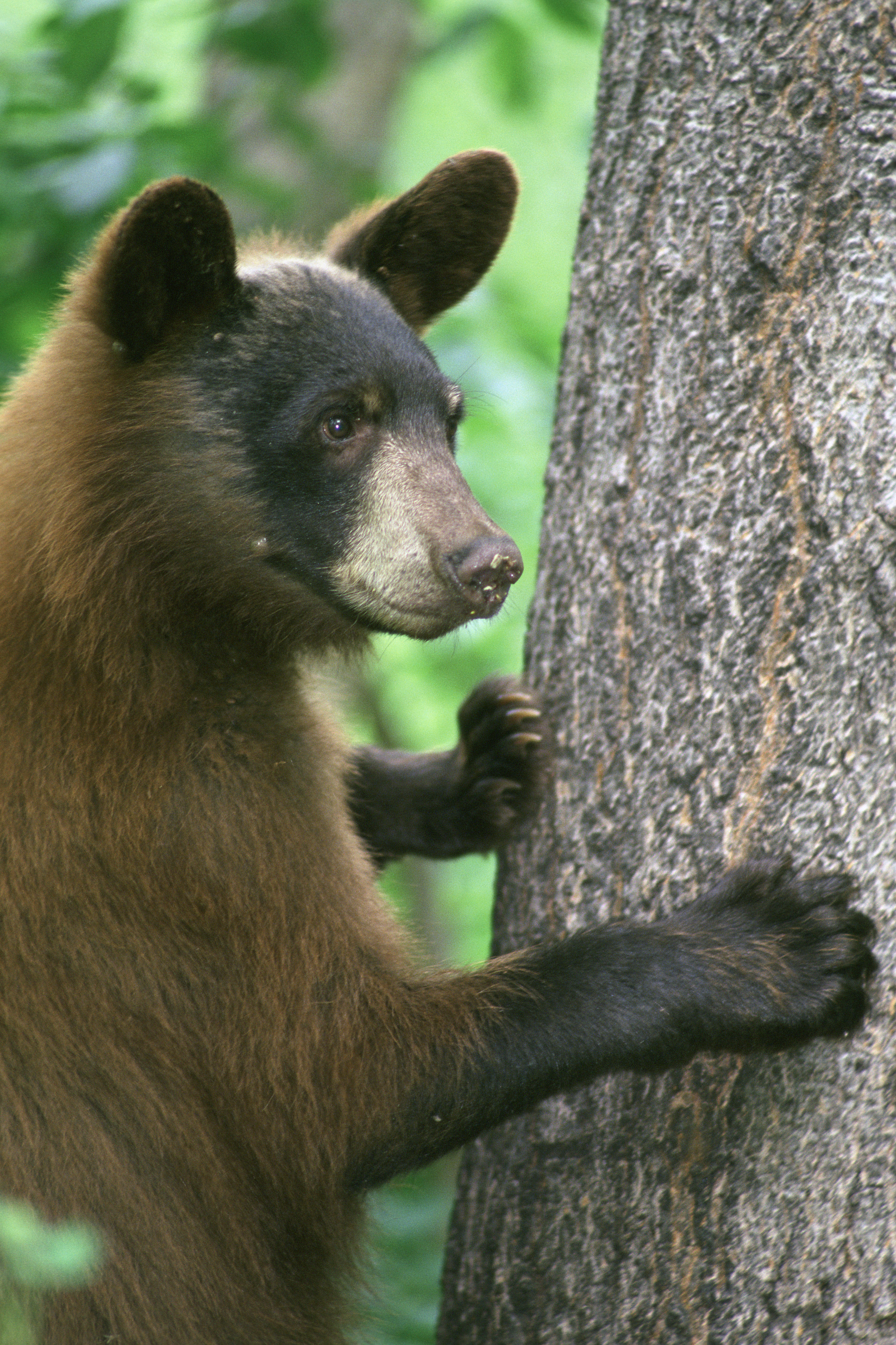
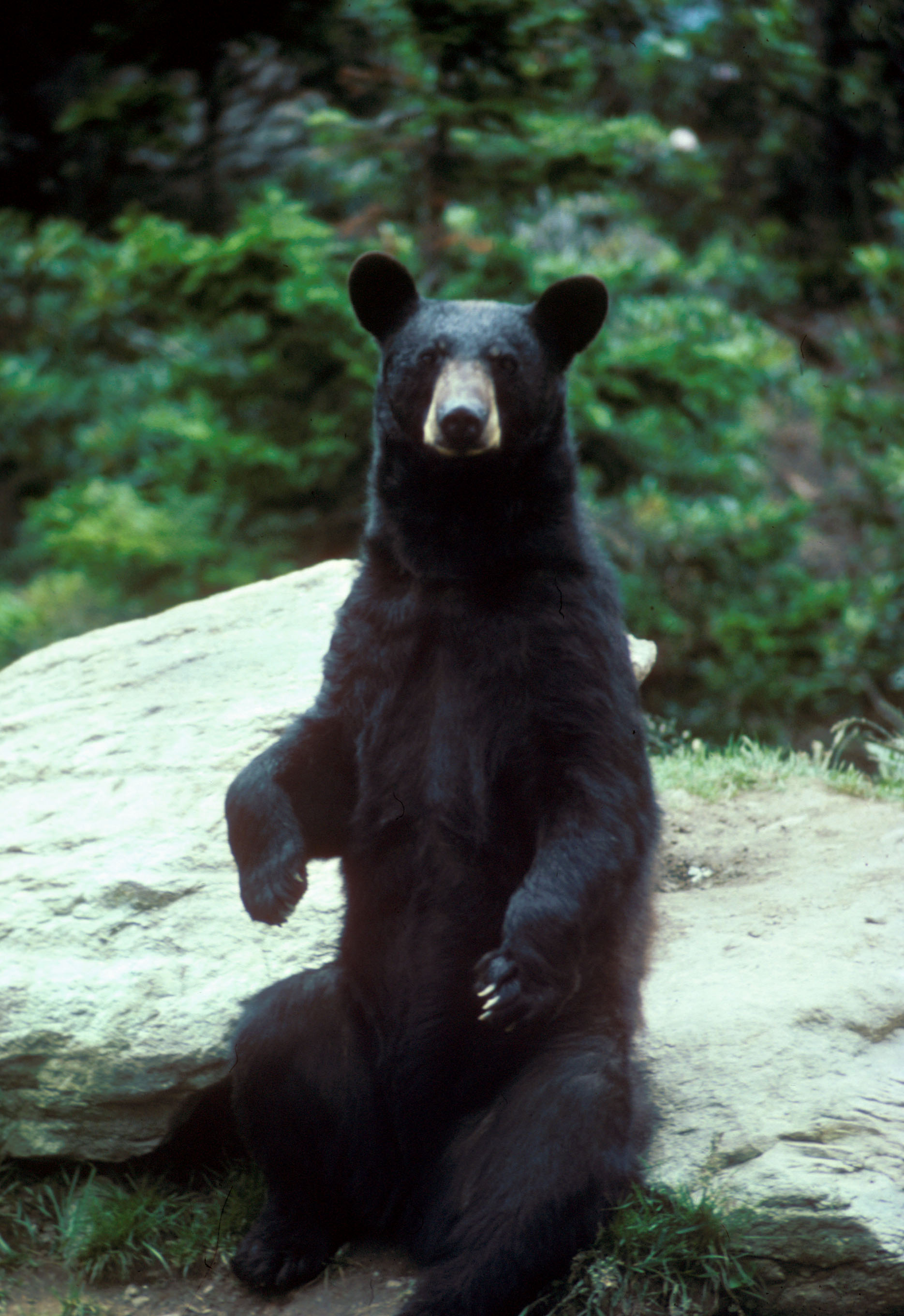
Black Bear Sitting
Photo Courtesy US FWS
Mike Bender, Photographer

Hi, this is Mark Larese-Casanova from the Utah Master Naturalist Program at Utah State University Extension.

I have to admit that it didn’t make much sense to me that yesterday was the start of summer. While sitting in the warm sun, feeling like winter forgot to give spring a turn in the seasonal cycle, I though of the American black bear, another mammal that also probably wondered when the warm weather would finally arrive.

Black bears are native to most of North America, even into northern Mexico. In Utah, black bears are common throughout many of the state’s forests. Contrary to its name, black bears tend to be medium to dark brown in the western US, although its color can range all the way from blonde or cinnamon to black.

As black bears emerge from their winter slumber, they are particularly hungry from several months of living mostly off of fat reserves. This is an even greater challenge for females because cubs are born in January or February and survive on the mother’s milk until spring. So, when spring arrives, they are more than happy to feed on a wide variety of foods, including fruits, nuts, grubs and other insects, small vertebrates, and carrion. Bears are most actively feeding around dawn or dusk, but may feed at other times of day if they become habituated to human food sources.

Young Male Blackbear Climbing Tree
Photo Courtesy US FWS
Steve Maslowski, Photographer

Black bears have been known to attack humans, although usually very infrequently. Attacks most often happen when a black bear is defending cubs or food, or as a result of becoming accustomed to obtaining food from people.

Will the black bears be as hungry for summer as we are? It might be best to not take any chances while out exploring the mountains this summer. When not eating, be sure to carry all food, garbage, and scented items, such as toothpaste and chapstick, in an airtight plastic bag or securely store them in a vehicle or bear-proof container. I’d even recommend carrying bear spray just to be safe. And, don’t forget to hold on tight to those pic-a-nic baskets!

For Wild About Utah, I’m Mark Larese-Casanova.

Credits:

Images: Courtesy US FWS: https://Images.fws.gov
Text:     Mark Larese-Casanova, Utah Master Naturalist Program at Utah State University Extension.
Additional Reading:

Burt, W. H. and R. P. Grossenheider. 1980. A field guide to the mammals. Houghton Mifflin Company, Boston. 289 pp.

Safety in Bear Country https://wildlife.utah.gov/dwr/learn-more/bear-safety.html

Utah Division of Wildlife Resources Utah Conservation Data Center https://dwrcdc.nr.utah.gov/rsgis2/Search/Display.asp?FlNm=ursuamer


Sage Grouse, Pronghorn Antelope and Fences

Sage Grouse, Pronghorn Antelope and Fences: Greater Sage Grouse, Courtesy US FWS, images.fws.gov, Stephen Ting, Photographer
Greater Sage Grouse
Courtesy US FWS
Stephen Ting, Photographer

As Robert Frost famously wrote in his poem, Mending Wall, “Good fences make good neighbors”.

Fences keep livestock from crops, children from traffic and delineate boundaries. In the intermountain West, fences are important to keep livestock where we want them and away from where we don’t. But wildlife of open sagebrush habitat did not evolve with fences. Sage Grouse and Pronghorn Antelope have had a particularly difficult time adapting.

Sage Grouse are stout, chicken-like birds found only in sagebrush, whose foliage features prominently in their diet. Sage Grouse were once abundant, but their numbers have plummeted due to habitat loss. Today they are candidates for listing as an endangered species. In flight, these large bodied birds like to skim over the sagebrush canopy and so doing, careen right into fences. One Utah study attributed 1/5 of Sage Grouse deaths to fence collisions.

[Kevin Colver recording: https://wildstore.wildsanctuary.com/collections/special-collections]

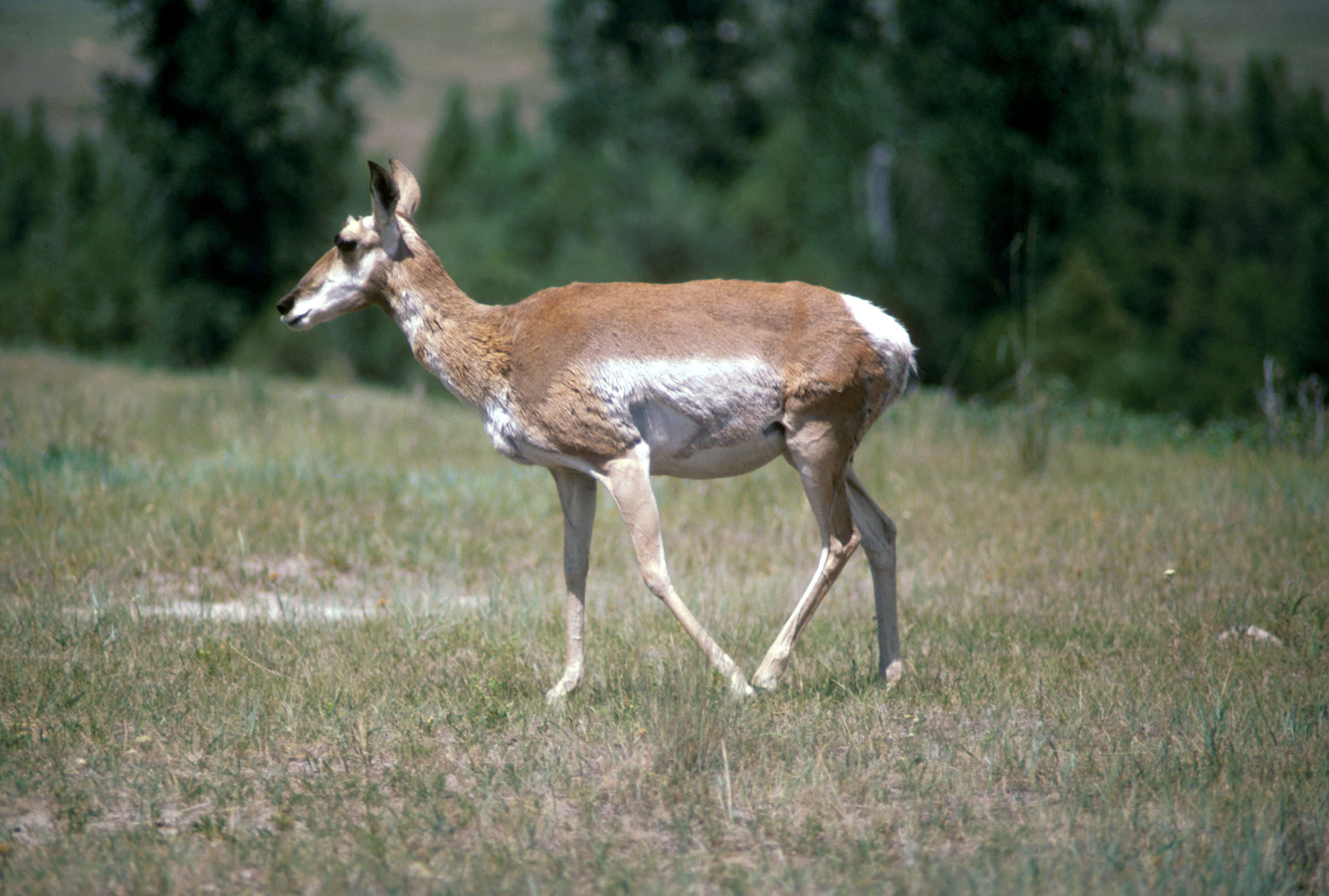
Pronghorn
Courtesy US FWS
James C. Leupold, Photographer

At dawn during the spring, male Sage Grouse congregate on ancestral dancing grounds to attract mates. The birds fly to these lek areas before sunrise so may not be able to see a fence before they collide. Other areas of special concern include the crest of low hills and the midst of wide open flats. Where grouse are common, flagging a fence or otherwise making it more visible can help considerably to reduce airborne fence collisions.

For Pronghorn Antelope, however, the top of the fence is not the issue. They are the swiftest game animal in North America. As with bison, market hunting in the 19th century decimated their populations. This trend has reversed, but here also, fences are a problem. Pronghorn are sprinters, not hurdlers and rarely jump a barrier over 3 feet tall. They choose to go under or through fencelines. A simple solution for barbed wire fences is to string smooth wire for the bottom strand at least 18 inches above the ground. This simple fence fix enables pronghorns to scoot below the fence unscathed as they migrate between winter and summer grounds

The perspective of Pronghorn Antelope and Sage Grouse could be summed up in the lyrics from a Cole Porter song: Don’t fence me in.

This is Linda Kervin for Bridgerland Audubon Society.


Credits:

Photos: Courtesy US FWS: Images.fws.gov
Audio: Kevin Colver, https://wildstore.wildsanctuary.com/collections/special-collections
Text: Linda Kervin, Bridgerland Audubon Society
Additional Reading:

Resources:

Lives of North American Birds. Kenn Kaufman. 1996, Houghton Mifflin Company., https://www.amazon.com/American-Peterson-Natural-History-Companions/dp/0395770173

Don’t Fence Me In: If sage-grouse had a song it would be “Don’t Fence Me In”, USDA Natural Resource Conservation Service, https://www.mt.nrcs.usda.gov/technical/ecs/biology/sagegrouse/dontfence.html

Safer Fencing Can Help Save Western Birds, Environmental Defense Fund, https://www.edf.org/article.cfm?contentID=9126