Juncos

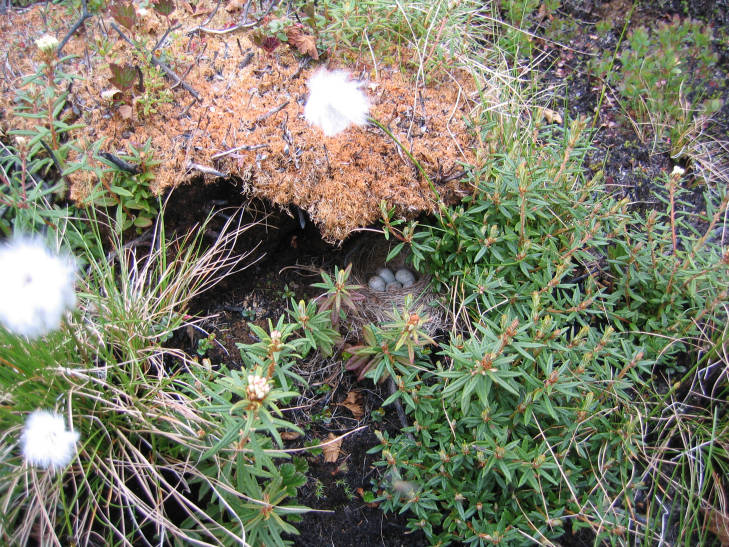
Juncos: Junco Nest Courtesy US FWS Carla Stanley, Photographer
Junco Nest
Courtesy US FWS
Carla Stanley, Photographer
I first became aware of dark eyed juncos while doing fieldwork for the USFS in Montana. My young children discovered an active nest on the ground near a mountain stream. This was before my birding days. It occurred to me this was a strange place for a small, sparrow sized bird to build a nest, giving predators the advantage. Yet they flourish, and are among the most common and prolific songbirds in north America.

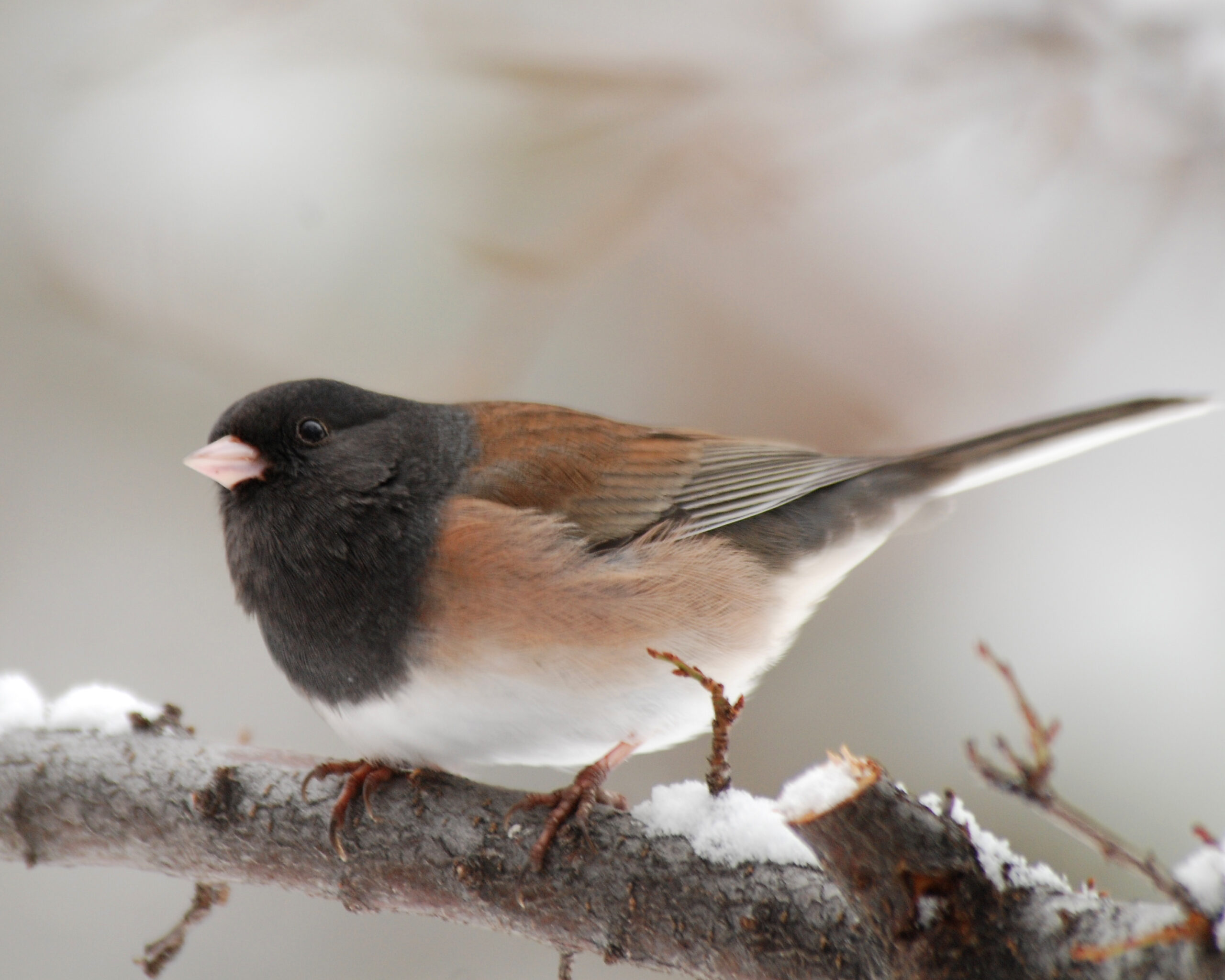
Juncos: Dark-eyed 'Oregon' Junco Male, Junco hyemalis montanus, Courtesy and copyright 2008 Ryan P. O'Donnell, Photographer
Dark-eyed ‘Oregon’ Junco Male, Junco hyemalis montanus, Courtesy and copyright 2008 Ryan P. O’Donnell, Photographer
Now, many years later, I enjoy them at my feeder as they migrate down from the high country to winter in my backyard. I’ve found them to be very chatty with constant vocalizations being exchanged. A friend spent her PhD work on their chatter and discovered 23 sound variations representing different messages. I’m guessing there are many more if one includes nonverbal means of communicating and possible notes beyond our range of hearing.

Another fascinating discovery was how different individual juncos were as I handled those captured in a mist net for banding purposes. Some were quite belligerent biting and struggling throughout the experience. Others were very docile. I imagined them to be smiling throughout the ordeal.

The Dark-eyed Junco can be found across the continent, from Alaska to Mexico, from California to New York. A recent estimate set the junco’s total population at approximately 630 million individuals, about double the U.S. human population.

Belonging to the sparrow family Passerellidae, Junco systematics are still confusing after decades of research, with various authors accepting between three and 12 species. There is a huge range of geographic variation in the Dark-eyed Junco. Among the 15 described races, six forms are easily recognizable in the field and five used to be considered separate species until the 1980s.

Primarily ground feeders, in winter they become highly social often foraging in flocks, evident as masses attack my feeder, and each other! Their breeding habitat is coniferous or mixed forest areas, ranging from subarctic taiga to high-altitude mountain forests in Mexico and Central America south to Panama. The Oregon Dark-eyed Junco, along with the Slate-colored, are the two most widely known subspecies.

The oldest recorded Dark-eyed Junco was at least 11 years, 4 months old when it was recaptured and rereleased during banding operations in West Virginia in 2001.

Juncos are described as “happy, bubbly, little birds that are a joy to watch”. All races and species share a pink bill as well as pink legs, a reminder that no matter how different two things look, they are not all that different on the inside. Please enjoy your juncos and happy holidays!

Jack Greene for Bridgerland Audubon Society, and I’m always wild about wild things in Utah!

Credits:

Nest Picture: Courtesy US FWS, Carla Stanley, Photographer
Junco Picture: Courtesy & © Ryan P O’Donnell, Photographer
Audio: Courtesy and Copyright Kevin Colver
Text: Jack Greene, Bridgerland Audubon Society
Additional Reading: Lyle W Bingham, Webmaster

Additional Reading:

Liberatore, Andrea, Dark-Eyed Juncos, Wild About Utah, January 12, 2012, https://wildaboututah.org/dark-eyed-juncos/

Greene, Jack, Seasonal Changes and Amazing Adaptations, Wild About Utah, Nov 9, 2015, https://wildaboututah.org/seasonal-changes-amazing-adaptations/

Atwell, J.W., O’Neal, D.M, and Ketterson, E.D. (2011) Animal Migration as a Moving Target for Conservation: Intra-species Variation and Responses to Environmental Change, as Illustrated in a Sometimes Migratory Songbird. Environmental Law. Vol. 41:289 p. 289-319, https://www.amazon.com/Animal-migration-moving-target-conservation/dp/B005C29H7I

Alderfer, Jonathan (editor) (2005) National Geographic Complete Book of Birds. National Geographic Press. Dark-eyed junco information available online at: https://animals.nationalgeographic.com/animals/birding/dark-eyed-junco/

Cornell Lab of Ornithology, All About Birds: Dark-eyed Junco. https://www.allaboutbirds.org/guide/Dark-eyed_Junco/id/ac

History of Name Changes for Juncos. Cornell Lab of Ornithology. https://www.birds.cornell.edu/pfw/News/junco_taxonomy.pdf
Dark-eyed Juncos

Click for a larger view of a Dark-eyed 'Oregon' Junco Male, Junco hyemalis montanus, Courtesy and copyright 2008 Ryan P. O'Donnell
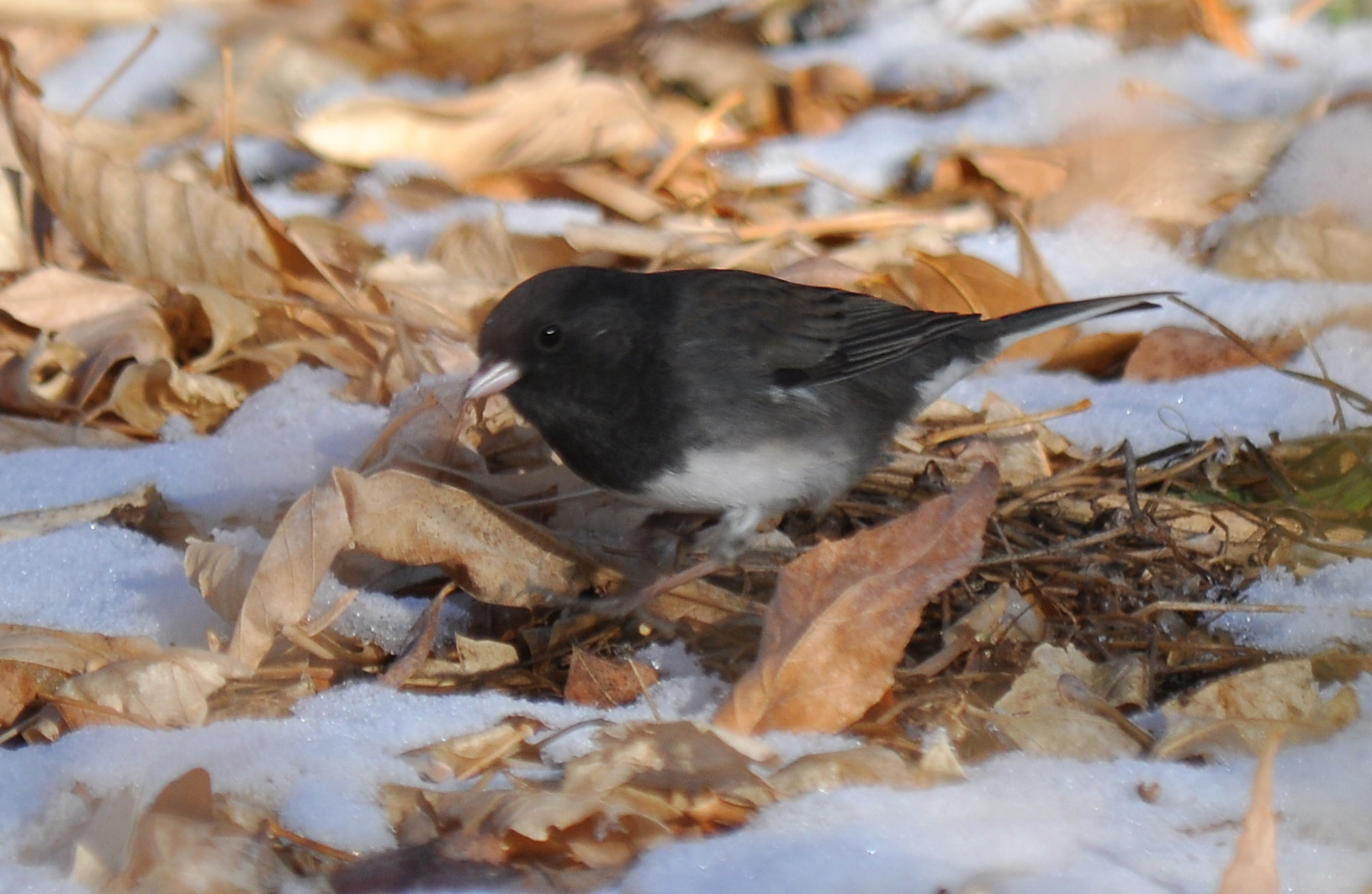
Dark-eyed Junco “Oregon” Male
Junco hyemalis montanus
Courtesy & © 2008 Ryan P. O’Donnell, Photographer 

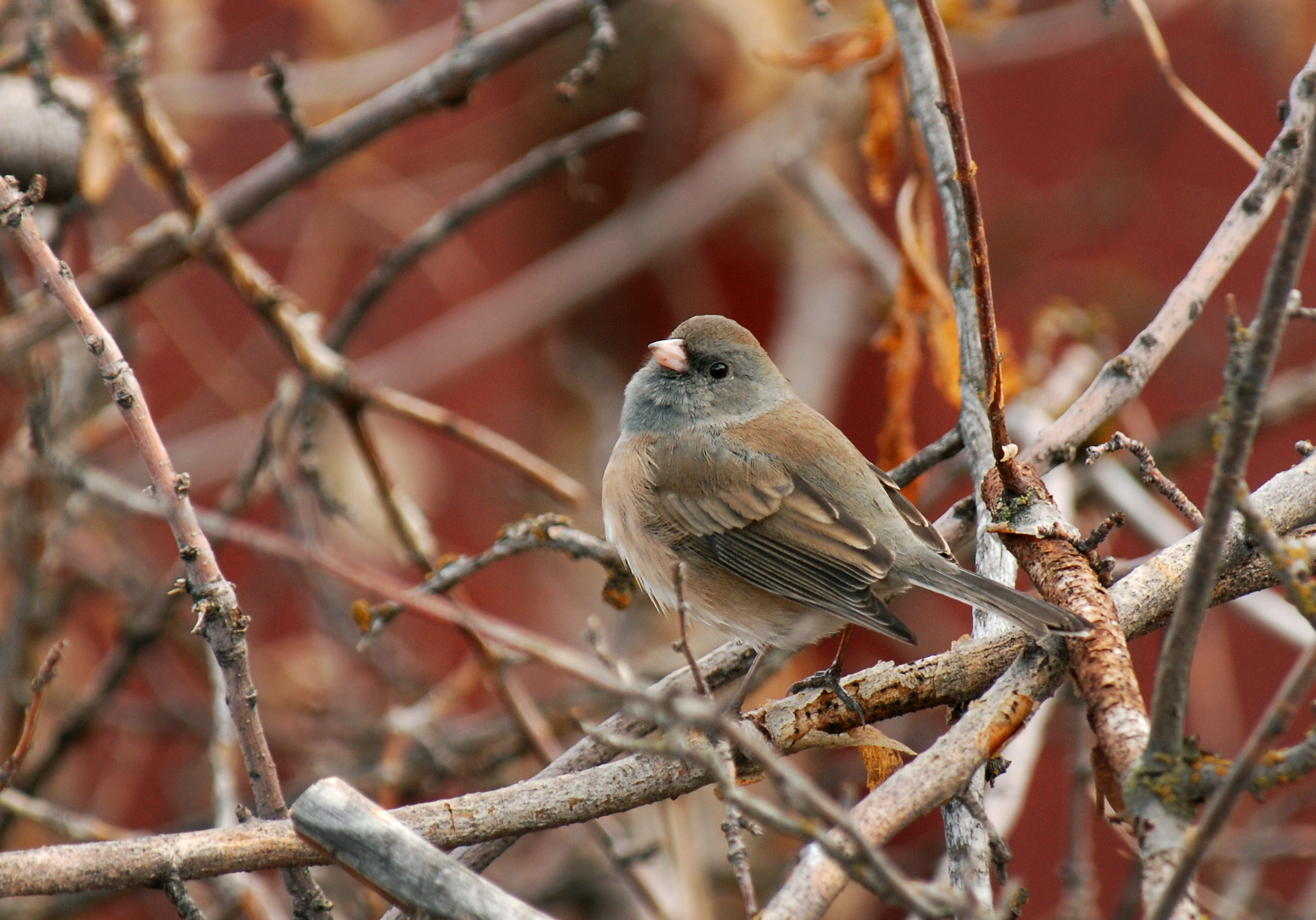
Click for a larger view of a Dark-eyed 'Oregon' Junco Female, Junco hyemalis montanus, Courtesy and copyright 2011 Ryan P. O'DonnellDark-eyed Junco “Oregon” Female
Junco hyemalis montanus
Courtesy & © 2011 Ryan P. O’Donnell, Photographer 

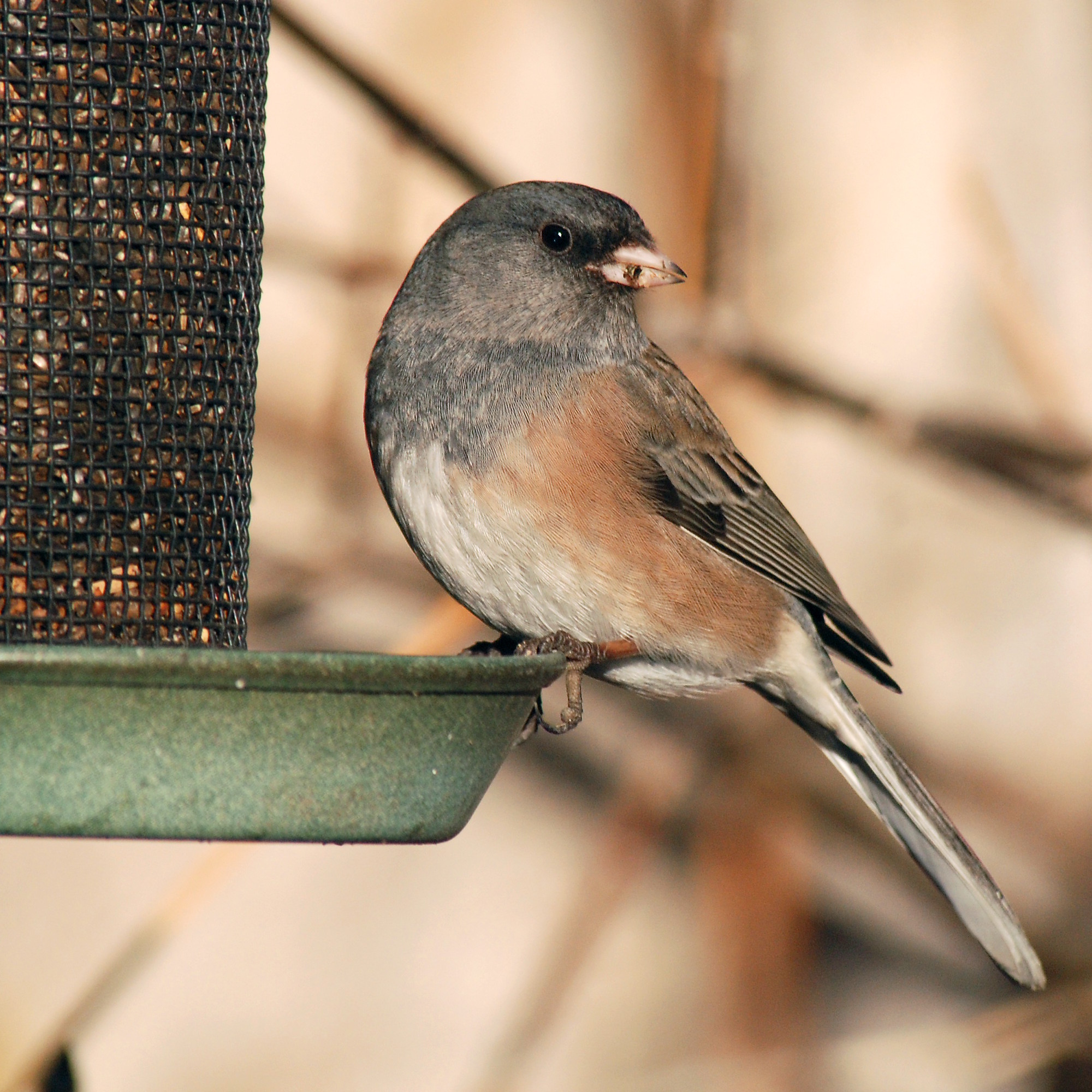
Click for a larger view of a Dark-eyed 'Pink Sided' Junco, Junco hyemalis mearnsi, Courtesy and copyright 2011 Ryan P. O'DonnellDark-eyed Junco “Pink Sided”
Junco hyemalis mearnsi
Courtesy & © 2011 Ryan P. O’Donnell, Photographer 

Click for a larger view of a Dark-eyed 'Cassiar' Junco, Junco hyemalis cismontanus, Courtesy and copyright 2011 Ryan P. O'DonnellDark-eyed Junco “Cassiar”
Junco hyemalis cismontanus
Courtesy & © 2011 Ryan P. O’Donnell, Photographer 

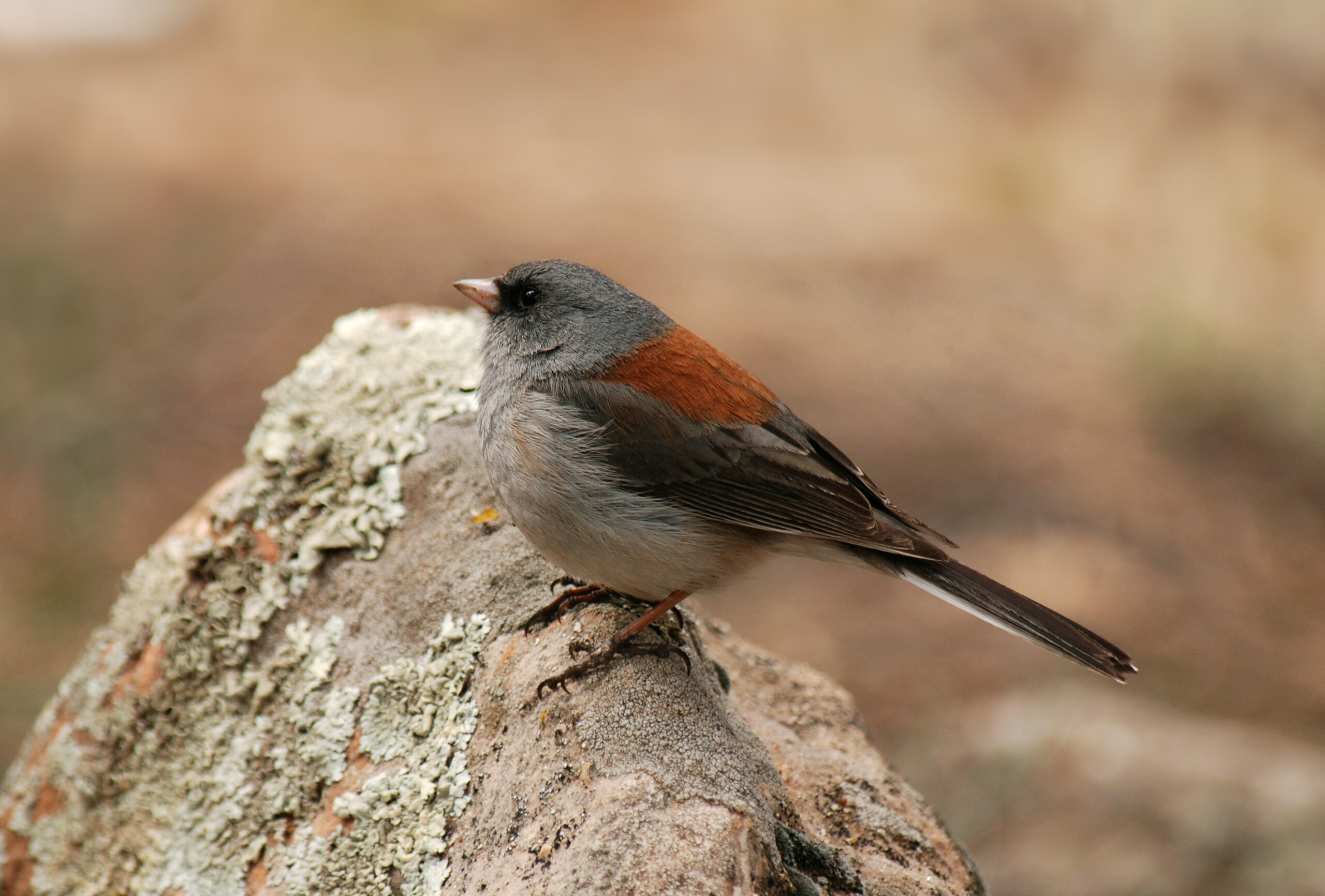
Click for a larger view of a Dark-eyed 'Gray-headed' Junco, Junco hyemalis caniceps, Courtesy and copyright 2011 Ryan P. O'DonnellDark-eyed Junco “Gray-headed”
Junco hyemalis caniceps
Courtesy & © 2011 Ryan P. O’Donnell, Photographer 

My backyard bird feeders are a busy place this time of year. I enjoy keeping track of who visits – especially as a relative newcomer to the Utah bird scene. Last winter, however, I was baffled by the identity of what turned out to be a fairly ordinary bird.

Dark-eyed juncos are a common sight throughout the United States, but as it turns out, they exhibit an incredible geographic variation in plumage colors. There is a ‘slate-colored race’ which I was used to seeing in the Midwest – uniformly gray above with a white underbody. During Utah winters, the ‘Oregon race’ is common, with its black hood, brown back and peachy sides. Another ‘gray-headed race’ sports varying shades of gray with a distinct reddish brown patch on its back.

Depending on who you ask, there are up to fifteen different races, also called sub-species, of dark-eyed junco – all quite visually distinct, but all considered to be the same species. It wasn’t always this way, however. In the late 1950’s what we now call dark-eyed juncos were recognized as four different species, and in the 1890’s there were six.

These changes beg the question, at what point does speciation occur? And the answer lies in the ability of these birds to interbreed. One scientific definition of a species is those organisms or populations of organisms that are “potentially capable of interbreeding.”

Unique plumage patterns have evolved in a number of geographic locations across the junco’s range, however all of the dark-eyed junco variants could potentially interbreed if they happened to meet. Indeed in places where these geographic territories overlap inter-breeding does take place resulting in blends of the usually-distinct color patterns.

Juncos aren’t the only bird species with recognized color variants. Any raptor enthusiast will be familiar with variations in plumage colors that many birds of prey exhibit, such as merlins and red-tailed hawks. What makes dark-eyed juncos unique is that they are being studied as a possible case of speciation in progress. It turns out that there is more than just a difference in color among dark-eyed juncos. Some sub-species also exhibit variation in song patterns, social behavior, body size, and migration patterns, any of which may eventually cause these groups to stop interbreeding and allow a new species to emerge.

To see pictures of dark-eyed junco subspecies, visit our website at www.wildaboututah.org. Thank you to Rocky Mountain Power Foundation for supporting the research and development of this Wild About Utah topic.

For the Stokes Nature Center and Wild About Utah, this is Andrea Liberatore.

Credits:

Photos: Courtesy & © Ryan P. O’Donnell
Theme: Courtesy & Copyright Don Anderson as performed by Leaping Lulu https://wildaboututah.org/about-us/#trout-n-berry-days
Voice & Text:    Andrea Liberatore, Stokes Nature Center, logannature.org
This episode was first published January 12, 2012.

Additional Reading:

The following references were accurate as of the date of publication or most recent update.

Atwell, J.W., O’Neal, D.M, and Ketterson, E.D. (2011) Animal Migration as a Moving Target for Conservation: Intra-species Variation and Responses to Environmental Change, as Illustrated in a Sometimes Migratory Songbird. Environmental Law. Vol. 41:289 p. 289-319, formerly at: https://www.amazon.com/Animal-migration-moving-target-conservation/dp/B005C29H7I
PubMed Central, National Library of Medicine, https://pmc.ncbi.nlm.nih.gov/articles/PMC5637735/

Alderfer, Jonathan (editor) (2005) National Geographic Complete Book of Birds. National Geographic Press. Dark-eyed junco information available online at: https://animals.nationalgeographic.com/animals/birding/dark-eyed-junco/

Cornell Lab of Ornithology, All About Birds: Dark-eyed Junco. https://www.allaboutbirds.org/guide/Dark-eyed_Junco/id/ac

History of Name Changes for Juncos. Cornell Lab of Ornithology. formerly at: https://www.birds.cornell.edu/pfw/News/junco_taxonomy.pdf
Updated by Cornell Lab of Ornithology to be at https://www.feederwatch.org/wp-content/uploads/2013/09/junco_taxonomy.pdf

Dark-eyed Juncos

Click for a larger view of a Dark-eyed 'Oregon' Junco Male, Junco hyemalis montanus, Courtesy and copyright 2008 Ryan P. O'Donnell
Dark-eyed Junco “Oregon” Male
Junco hyemalis montanus
Courtesy & © 2008 Ryan P. O’Donnell, Photographer 

Click for a larger view of a Dark-eyed 'Oregon' Junco Female, Junco hyemalis montanus, Courtesy and copyright 2011 Ryan P. O'DonnellDark-eyed Junco “Oregon” Female
Junco hyemalis montanus
Courtesy & © 2011 Ryan P. O’Donnell, Photographer 

Click for a larger view of a Dark-eyed 'Pink Sided' Junco, Junco hyemalis mearnsi, Courtesy and copyright 2011 Ryan P. O'DonnellDark-eyed Junco “Pink Sided”
Junco hyemalis mearnsi
Courtesy & © 2011 Ryan P. O’Donnell, Photographer 

Click for a larger view of a Dark-eyed 'Cassiar' Junco, Junco hyemalis cismontanus, Courtesy and copyright 2011 Ryan P. O'DonnellDark-eyed Junco “Cassiar”
Junco hyemalis cismontanus
Courtesy & © 2011 Ryan P. O’Donnell, Photographer 

Click for a larger view of a Dark-eyed 'Gray-headed' Junco, Junco hyemalis caniceps, Courtesy and copyright 2011 Ryan P. O'DonnellDark-eyed Junco “Gray-headed”
Junco hyemalis caniceps
Courtesy & © 2011 Ryan P. O’Donnell, Photographer 

My backyard bird feeders are a busy place this time of year. I enjoy keeping track of who visits – especially as a relative newcomer to the Utah bird scene. Last winter, however, I was baffled by the identity of what turned out to be a fairly ordinary bird.

Dark-eyed juncos are a common sight throughout the United States, but as it turns out, they exhibit an incredible geographic variation in plumage colors. There is a ‘slate-colored race’ which I was used to seeing in the Midwest – uniformly gray above with a white underbody. During Utah winters, the ‘Oregon race’ is common, with its black hood, brown back and peachy sides. Another ‘gray-headed race’ sports varying shades of gray with a distinct reddish brown patch on its back.

Depending on who you ask, there are up to fifteen different races, also called sub-species, of dark-eyed junco – all quite visually distinct, but all considered to be the same species. It wasn’t always this way, however. In the late 1950’s what we now call dark-eyed juncos were recognized as four different species, and in the 1890’s there were six.

These changes beg the question, at what point does speciation occur? And the answer lies in the ability of these birds to interbreed. One scientific definition of a species is those organisms or populations of organisms that are “potentially capable of interbreeding.”

Unique plumage patterns have evolved in a number of geographic locations across the junco’s range, however all of the dark-eyed junco variants could potentially interbreed if they happened to meet. Indeed in places where these geographic territories overlap inter-breeding does take place resulting in blends of the usually-distinct color patterns.

Juncos aren’t the only bird species with recognized color variants. Any raptor enthusiast will be familiar with variations in plumage colors that many birds of prey exhibit, such as merlins and red-tailed hawks. What makes dark-eyed juncos unique is that they are being studied as a possible case of speciation in progress. It turns out that there is more than just a difference in color among dark-eyed juncos. Some sub-species also exhibit variation in song patterns, social behavior, body size, and migration patterns, any of which may eventually cause these groups to stop interbreeding and allow a new species to emerge.

To see pictures of dark-eyed junco subspecies, visit our website at www.wildaboututah.org. Thank you to Rocky Mountain Power Foundation for supporting the research and development of this Wild About Utah topic.

For the Stokes Nature Center and Wild About Utah, this is Andrea Liberatore.

Credits:

Photos: Courtesy & © Ryan P. O’Donnell
Theme: Courtesy & Copyright Don Anderson as performed by Leaping Lulu https://wildaboututah.org/about-us/#trout-n-berry-days
Voice & Text:    Andrea Liberatore, Stokes Nature Center, logannature.org
This episode was first published January 12, 2012.

Additional Reading:

The following references were accurate as of the date of publication or most recent update.

Atwell, J.W., O’Neal, D.M, and Ketterson, E.D. (2011) Animal Migration as a Moving Target for Conservation: Intra-species Variation and Responses to Environmental Change, as Illustrated in a Sometimes Migratory Songbird. Environmental Law. Vol. 41:289 p. 289-319, formerly at: https://www.amazon.com/Animal-migration-moving-target-conservation/dp/B005C29H7I
PubMed Central, National Library of Medicine, https://pmc.ncbi.nlm.nih.gov/articles/PMC5637735/

Alderfer, Jonathan (editor) (2005) National Geographic Complete Book of Birds. National Geographic Press. Dark-eyed junco information available online at: https://animals.nationalgeographic.com/animals/birding/dark-eyed-junco/

Cornell Lab of Ornithology, All About Birds: Dark-eyed Junco. https://www.allaboutbirds.org/guide/Dark-eyed_Junco/id/ac

History of Name Changes for Juncos. Cornell Lab of Ornithology. formerly at: https://www.birds.cornell.edu/pfw/News/junco_taxonomy.pdf
Updated by Cornell Lab of Ornithology to be at https://www.feederwatch.org/wp-content/uploads/2013/09/junco_taxonomy.pdf

Dark-eyed Juncos

Click for a larger view of a Dark-eyed 'Oregon' Junco Male, Junco hyemalis montanus, Courtesy and copyright 2008 Ryan P. O'Donnell
Dark-eyed Junco “Oregon” Male
Junco hyemalis montanus
Courtesy & © 2008 Ryan P. O’Donnell, Photographer 

Click for a larger view of a Dark-eyed 'Oregon' Junco Female, Junco hyemalis montanus, Courtesy and copyright 2011 Ryan P. O'DonnellDark-eyed Junco “Oregon” Female
Junco hyemalis montanus
Courtesy & © 2011 Ryan P. O’Donnell, Photographer 

Click for a larger view of a Dark-eyed 'Pink Sided' Junco, Junco hyemalis mearnsi, Courtesy and copyright 2011 Ryan P. O'DonnellDark-eyed Junco “Pink Sided”
Junco hyemalis mearnsi
Courtesy & © 2011 Ryan P. O’Donnell, Photographer 

Click for a larger view of a Dark-eyed 'Cassiar' Junco, Junco hyemalis cismontanus, Courtesy and copyright 2011 Ryan P. O'DonnellDark-eyed Junco “Cassiar”
Junco hyemalis cismontanus
Courtesy & © 2011 Ryan P. O’Donnell, Photographer 

Click for a larger view of a Dark-eyed 'Gray-headed' Junco, Junco hyemalis caniceps, Courtesy and copyright 2011 Ryan P. O'DonnellDark-eyed Junco “Gray-headed”
Junco hyemalis caniceps
Courtesy & © 2011 Ryan P. O’Donnell, Photographer 

My backyard bird feeders are a busy place this time of year. I enjoy keeping track of who visits – especially as a relative newcomer to the Utah bird scene. Last winter, however, I was baffled by the identity of what turned out to be a fairly ordinary bird.

Dark-eyed juncos are a common sight throughout the United States, but as it turns out, they exhibit an incredible geographic variation in plumage colors. There is a ‘slate-colored race’ which I was used to seeing in the Midwest – uniformly gray above with a white underbody. During Utah winters, the ‘Oregon race’ is common, with its black hood, brown back and peachy sides. Another ‘gray-headed race’ sports varying shades of gray with a distinct reddish brown patch on its back.

Depending on who you ask, there are up to fifteen different races, also called sub-species, of dark-eyed junco – all quite visually distinct, but all considered to be the same species. It wasn’t always this way, however. In the late 1950’s what we now call dark-eyed juncos were recognized as four different species, and in the 1890’s there were six.

These changes beg the question, at what point does speciation occur? And the answer lies in the ability of these birds to interbreed. One scientific definition of a species is those organisms or populations of organisms that are “potentially capable of interbreeding.”

Unique plumage patterns have evolved in a number of geographic locations across the junco’s range, however all of the dark-eyed junco variants could potentially interbreed if they happened to meet. Indeed in places where these geographic territories overlap inter-breeding does take place resulting in blends of the usually-distinct color patterns.

Juncos aren’t the only bird species with recognized color variants. Any raptor enthusiast will be familiar with variations in plumage colors that many birds of prey exhibit, such as merlins and red-tailed hawks. What makes dark-eyed juncos unique is that they are being studied as a possible case of speciation in progress. It turns out that there is more than just a difference in color among dark-eyed juncos. Some sub-species also exhibit variation in song patterns, social behavior, body size, and migration patterns, any of which may eventually cause these groups to stop interbreeding and allow a new species to emerge.

To see pictures of dark-eyed junco subspecies, visit our website at www.wildaboututah.org. Thank you to Rocky Mountain Power Foundation for supporting the research and development of this Wild About Utah topic.

For the Stokes Nature Center and Wild About Utah, this is Andrea Liberatore.

Credits:

Photos: Courtesy & © Ryan P. O’Donnell
Theme: Courtesy & Copyright Don Anderson as performed by Leaping Lulu https://wildaboututah.org/about-us/#trout-n-berry-days
Voice & Text:    Andrea Liberatore, Stokes Nature Center, logannature.org
This episode was first published January 12, 2012.

Additional Reading:

The following references were accurate as of the date of publication or most recent update.

Atwell, J.W., O’Neal, D.M, and Ketterson, E.D. (2011) Animal Migration as a Moving Target for Conservation: Intra-species Variation and Responses to Environmental Change, as Illustrated in a Sometimes Migratory Songbird. Environmental Law. Vol. 41:289 p. 289-319, formerly at: https://www.amazon.com/Animal-migration-moving-target-conservation/dp/B005C29H7I
PubMed Central, National Library of Medicine, https://pmc.ncbi.nlm.nih.gov/articles/PMC5637735/

Alderfer, Jonathan (editor) (2005) National Geographic Complete Book of Birds. National Geographic Press. Dark-eyed junco information available online at: https://animals.nationalgeographic.com/animals/birding/dark-eyed-junco/

Cornell Lab of Ornithology, All About Birds: Dark-eyed Junco. https://www.allaboutbirds.org/guide/Dark-eyed_Junco/id/ac

History of Name Changes for Juncos. Cornell Lab of Ornithology. formerly at: https://www.birds.cornell.edu/pfw/News/junco_taxonomy.pdf
Updated by Cornell Lab of Ornithology to be at https://www.feederwatch.org/wp-content/uploads/2013/09/junco_taxonomy.pdf