Salty Connections

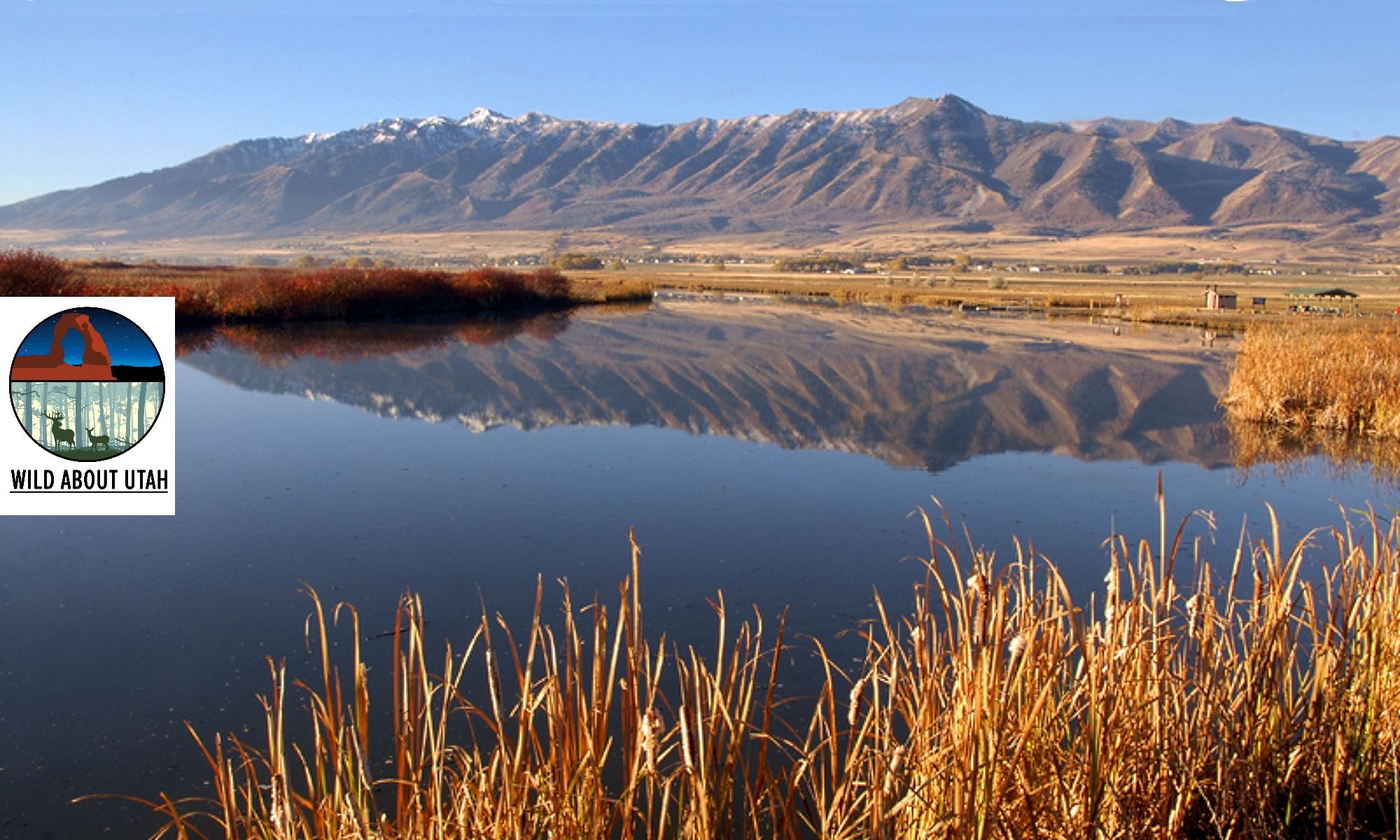
Salty Connections: Drying Beds Surrounding the Great Salt Lake, Fall 2016, Courtesy NASA Earth Resources Observation and Science (EROS) Center
Drying Beds Surrounding the Great Salt Lake
Fall 2016
Courtesy NASA Earth Resources Observation and Science (EROS) Center

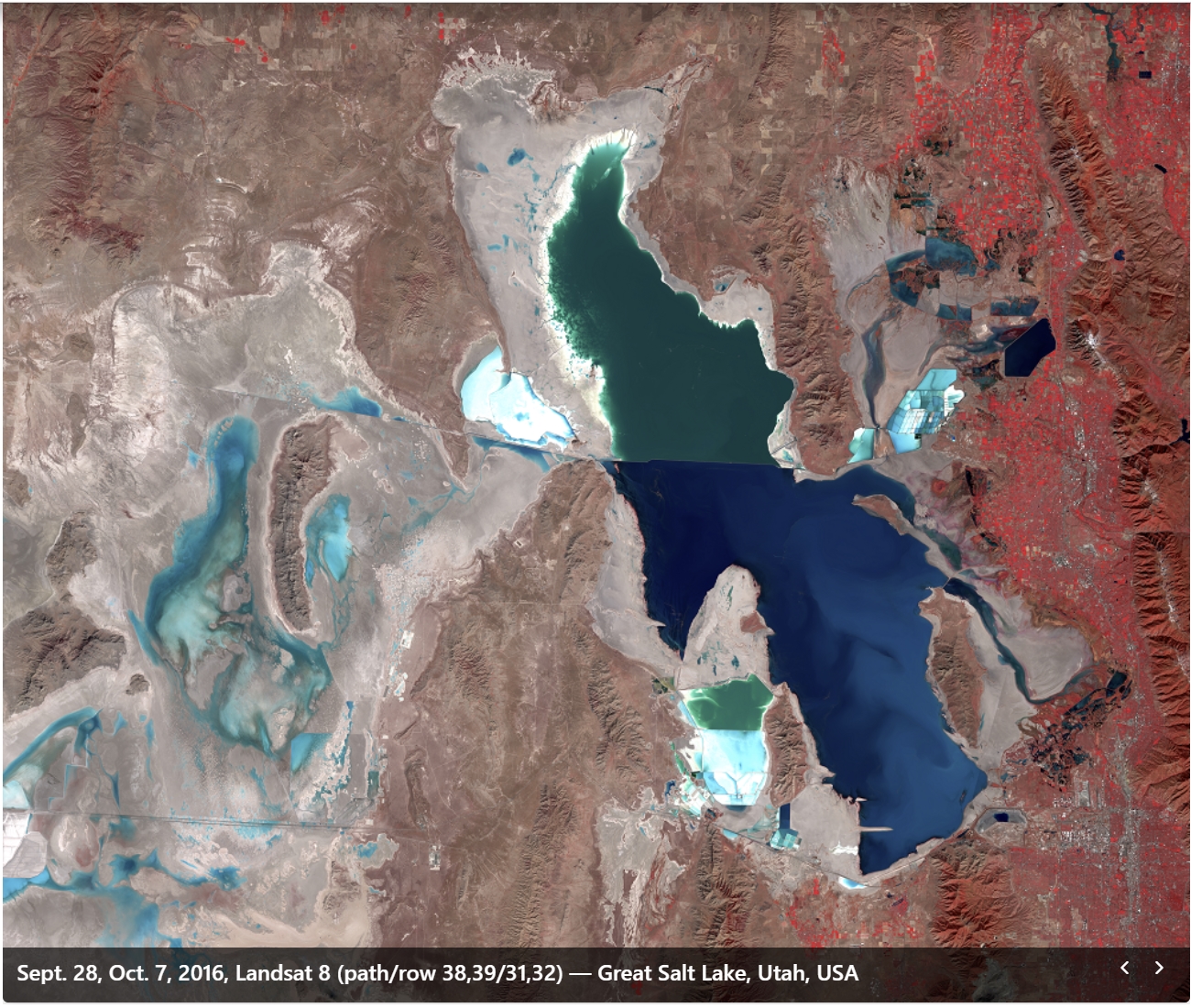
The Great Salt Lake Courtesy Pixabay https://pixabay.com/photos/utah-great-salt-lake-water-95570/ The Great Salt Lake
Courtesy Pixabay
https://pixabay.com/photos/utah-great-salt-lake-water-95570/

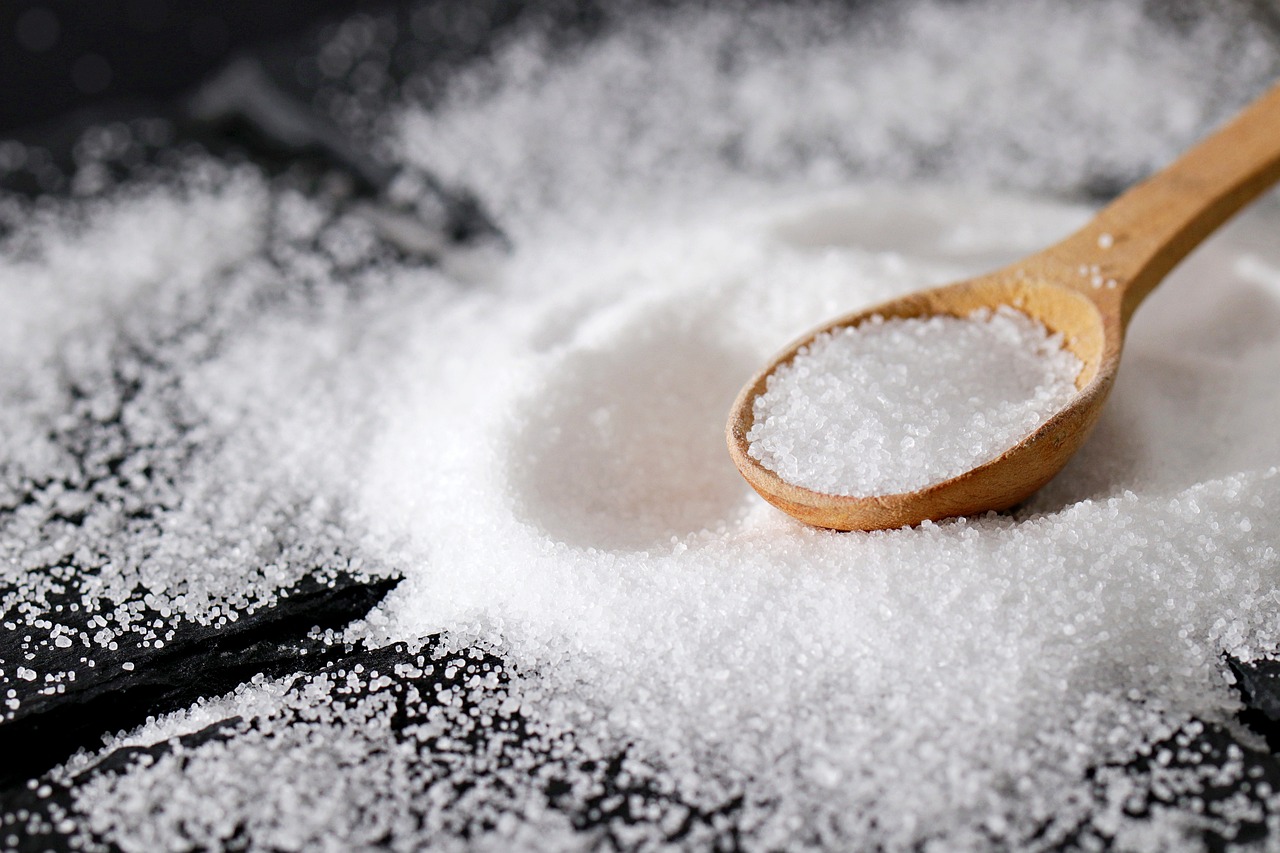
Salt with a Wooden Spoon, Courtesy Pixabay Salt with a Wooden Spoon, Courtesy Pixabay
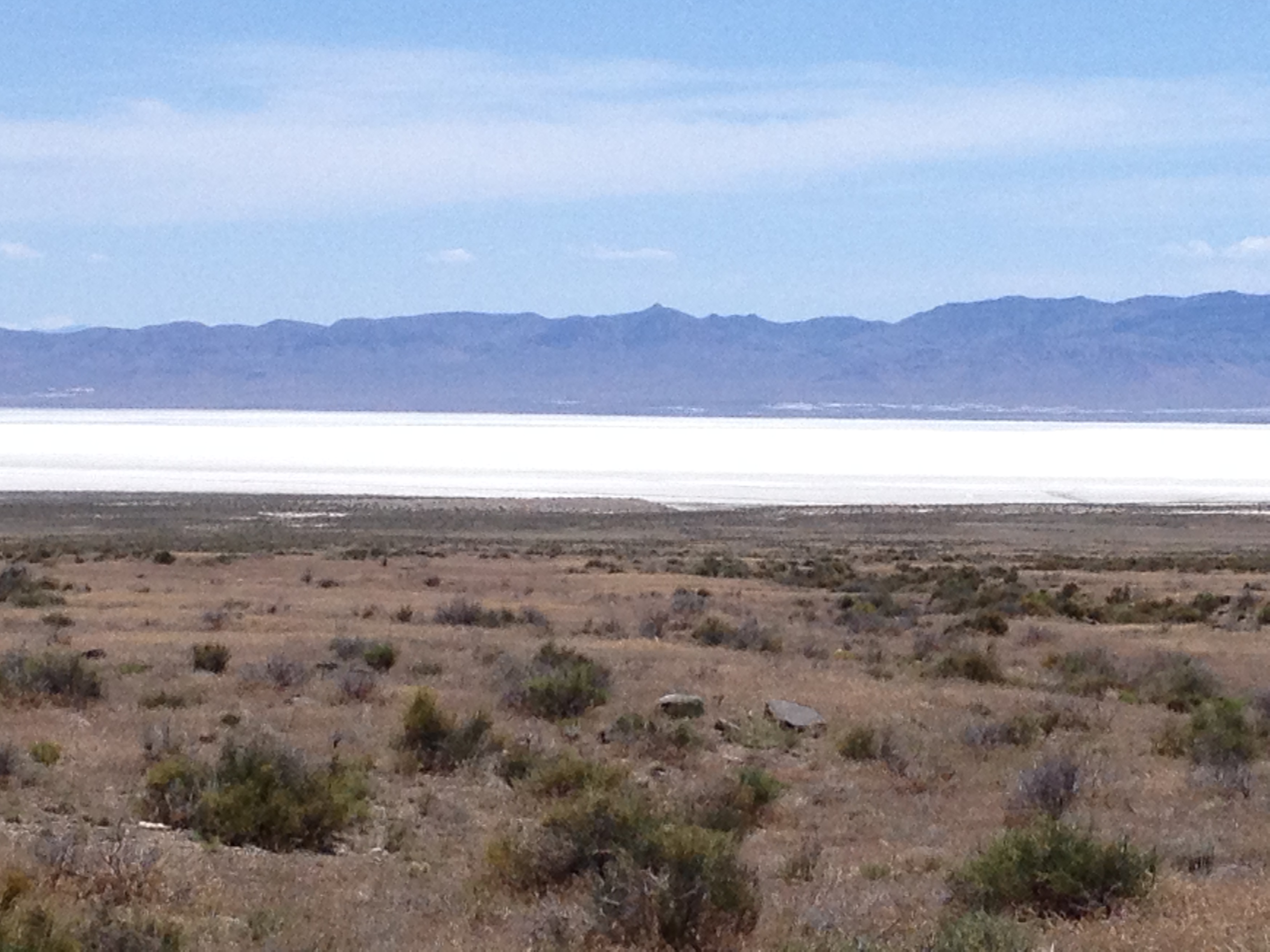
Sevier Lake, a Saline Lake in Central UtahSevier Lake
Courtesy & Copyright 2013
Holly Strand, Photographer
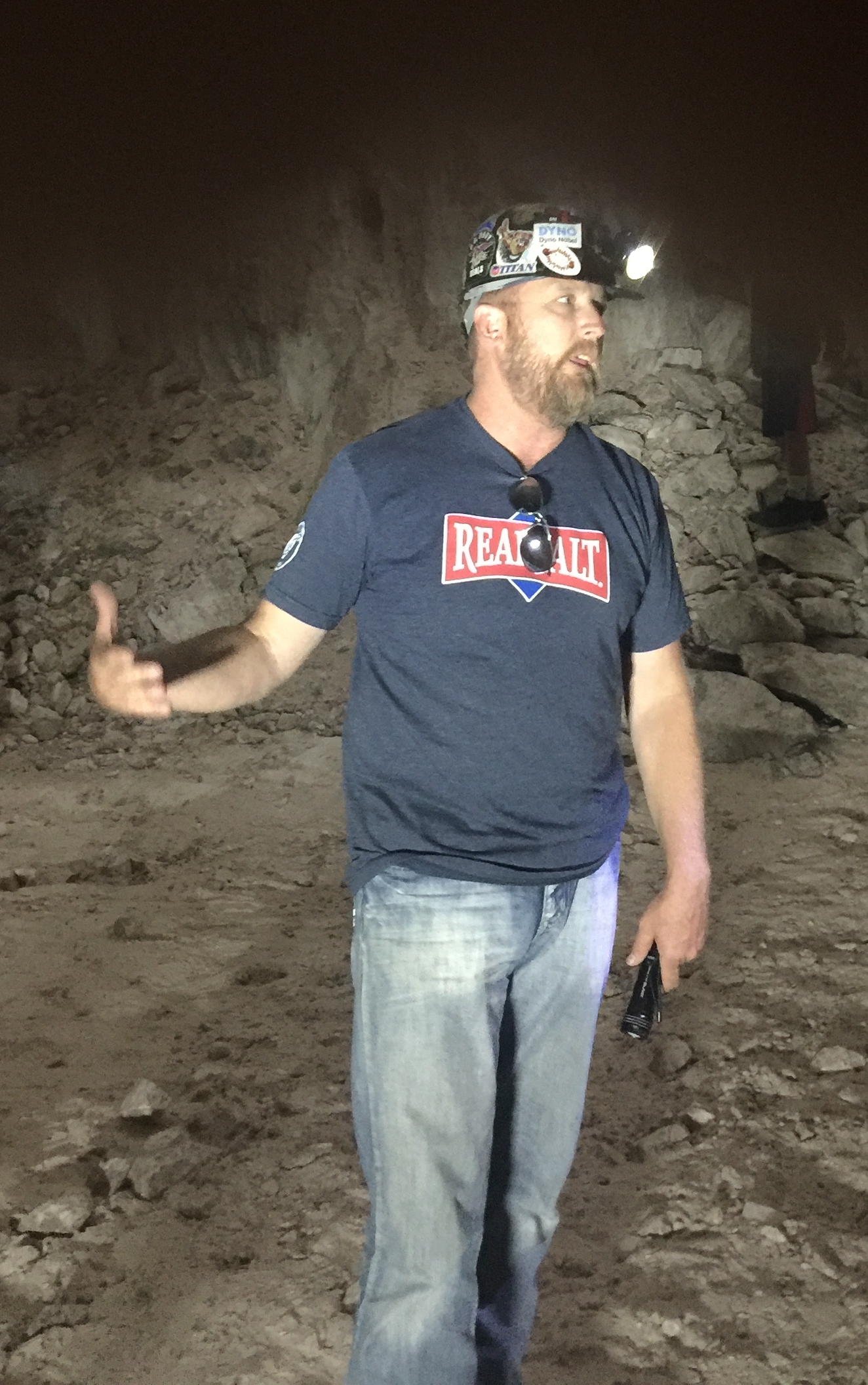
Kyle Bosshardt Explains the Origins of the Redmond Minerals Mine June 2018 Courtesy & © Lyle Bingham Kyle Bosshardt Explains the Origins of the Redmond Minerals Mine
June 2018
Courtesy & © Lyle Bingham
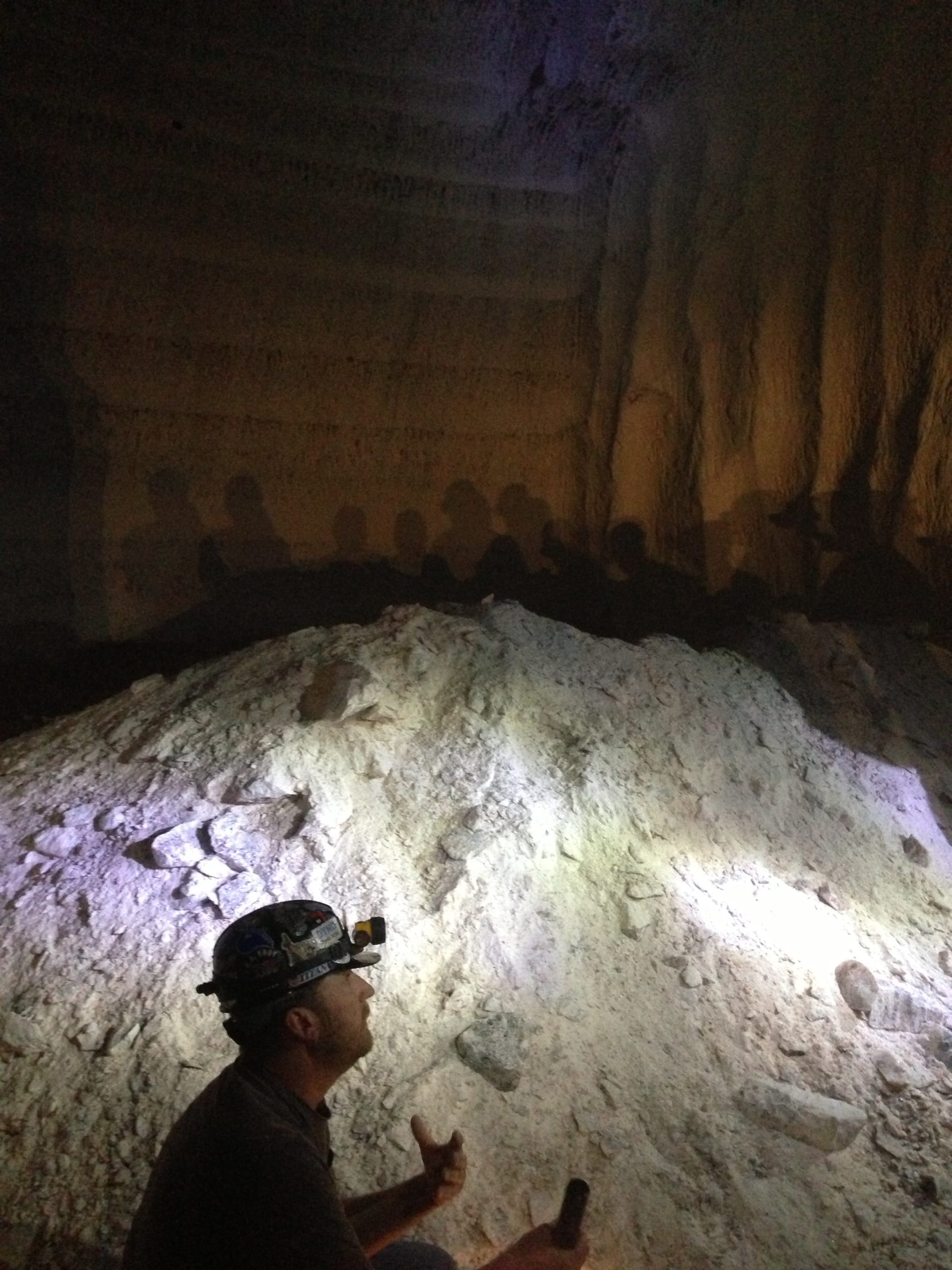
Kyle Bosshardt Explains Redmond Salt Mineral Composition to a Tour June 2013 Courtesy & © Lyle Bingham Kyle Bosshardt Explains Redmond Salt Mineral Composition to a Tour
June 2013
Courtesy & © Lyle Bingham

Here in Utah, early explorers and native peoples knew of saline deposits, springs and lakes long before the pioneers arrived in 1847. For example, more than 1300 years ago,
the Fremont traded salt, found near Redmond, Utah, to the cliff-dwelling Anasazi of Mesa Verde. Necessary for life, salt is found across the State of Utah, where it is harvested, mined, processed and traded worldwide for various applications.

In a geologic recycling story that crosses many epochs, different salt compounds are often mixed and then move in water or under pressure. Normal table salt, the mineral halite, is chemically described as sodium chloride. Often found together in different concentrations are the bitter salts of potassium and magnesium. All these salts leach from rocks and soil, then wash downstream to oceans and land-locked lakes, such as Sevier Lake and the Great Salt Lake. In many cases, an ancient inland sea or lake deposited a layer of salt followed by layers of clay, sediment or lava. Then geologic forces uplifted the layers to repeat the cycle and make the salt accessible.

Lehi Hintze, in Utah’s Spectacular Geology, wrote, “Rock salt has two characteristics that promote upward movement. First, it is soft and flows plastically like ice does in a glacier. Second, it is less dense than other rocks and tends to migrate upward through the denser surrounding rocks….”

When the pioneers moved to Utah, salt rendering became one of the first industries established for external trade. They boiled Great Salt Lake water over wood fires until only salt remained. However, this lake salt tasted bitter due to impurities in the water. Fortunately, it could be sold to mines in Montana where salt was used to refine silver. Today, salt from the Great Salt Lake continues to be harvested mostly for industrial purposes including metal extraction, water softening and road de-icing.

For early salt entrepreneurs, boiling proved expensive. In time, the sun was put to work and evaporation ponds were built on the shores of the lake. At first the ponds filled when the wind blew, sometimes resulting in wall collapses. These failures led to better walls and brine pumps to repeatedly fill the ponds. Anyone flying west from Salt Lake City has seen these multicolored drying beds. Harvested mountains of dried salt, seen at the Morton and Cargill sites when driving I-80 towards Nevada, are loaded on trucks and rail cars for nationwide distribution.

More recently developed, is the salt mine west of Redmond, Utah, near Salina. The Redmond salt deposit predates the Great Salt Lake, which came from the drying of Lake Bonneville. Redmond Minerals is mining the first 800 feet of a 5000-foot diapir, an extruded mound forced up from salt beds deposited by the Jurassic Sundance Sea. In digging more than 18 miles of tunnels, Redmond has identified several grades of salt. Their culinary salt is sold worldwide as Real Salt, but the majority of their production is for agriculture, animal health and de-icing.

Salt production in Utah is possible because of the geologic and historic past. Just as the Fremont gathered and traded salt anciently, modern methods of harvesting and mining allow companies to distribute products worldwide. As such, salt continues to contribute to Utah’s role as the Crossroads of the West.

This is Lyle Bingham and I’m Wild About Utah and its 15 years on Utah Public Radio.

Credits:
Photos: Great Salt Lake Photos Courtesy NASA Earth Resources Observation and Science (EROS) Center
Great Salt Lake and Salt with a Wooden Spoon, Photos Courtesy Pixabay
Redmond Photos Courtesy & Copyright Lyle Bingham, Photographer
Featured Audio: Courtesy & © Kevin Colver, https://wildstore.wildsanctuary.com/collections/special-collections
Text: Lyle Bingham, https://bridgerlandaudubon.org/
Additional Reading: Lyle Bingham, https://bridgerlandaudubon.org/

Additional Reading

Lyle Bingham’s Wild About Utah Postings

Strand, Holly, Utah is Worth its Salt, Wild About Utah, November 21, 2013, https://wildaboututah.org/utah-is-worth-its-salt/

The Great Salt Lake, Hassibe, W.R. & Keck, W.G., USGS, US Department of the Interior, https://pubs.usgs.gov/gip/70039229/report.pdf

Cabrero, Alex, Redmond salt mine supplies Utah’s roads and chef’s kitchens, KSL TV, December 18, 2022, https://www.ksl.com/article/50540322/redmond-salt-mine-supplies-utahs-roads-and-chefs-kitchens

The Mineral Industry of Utah, National Minerals Information Center, USGS, US Department of the Interior, https://www.usgs.gov/centers/national-minerals-information-center/mineral-industry-utah

Salt Providers in Utah:

Other Salt-related mineral extractors in Utah:

Above lists may not be complete. Please send recommendations to wildaboututah@gmail.com

The Great Salt Lake, Utah Division of Water Resources, Utah Department of Natural Resources, https://water.utah.gov/great-salt-lake/

Great Salt Lake Plans, Utah Division of Forestry, Fire & State Lands, Utah Department of Natural Resources, https://ffsl.utah.gov/state-lands/great-salt-lake/great-salt-lake-plans/

Clark, John L., History of Utah’s Salt Industry 1847-1970, August 1971, Thesis, BYU Dept of History, https://scholarsarchive.byu.edu/cgi/viewcontent.cgi?article=5602&context=etd

Coloring the Great Salt Lake, The Earth Observatory, EOS Project Science Office, NASA Goddard Space Flight Center, https://earthobservatory.nasa.gov/images/147355/coloring-the-great-salt-lake

Hintze, Lehi F, Utah’s Spectacular Geology and How It Came to Be, Department of Geology, Brigham Young University, 2005, https://archive.org/details/utahsspectacular0000hint/mode/2up

Follow-up:
Winslow, Ben, Compass Minerals to abandon lithium extraction on Great Salt Lake, Great Salt Lake Collaborative, Fox13, Scripps Media, Inc, https://www.fox13now.com/news/great-salt-lake-collaborative/compass-minerals-to-abandon-lithium-extraction-on-great-salt-lake
Vignettes of a Utah Summer

Vignettes of a Utah SummerSun Backlit White Dandelion Courtesy Pixabay, Adina Voicu, Contributor https://pixabay.com/photos/dandelion-sun-backlighting-1557110/
Courtesy Pixabay, Adina Voicu, Contributor
Disclaimer
What you’re about to hear
Is the opinion of someone who really does care
I oscillate between an optimist
And a pessimist who doesn’t want his dreams to come true
Maybe you’re like me
But hopefully you’re like you

Now I may and often do complain, critique, and crack
But it’s because I want us all to do better
Leaders, followers, neighbors, you, and me
Better nice
Better good

However, with these benevolent intentions
I do freely admit to have a hidden top-secret cryptic agenda:
My hope that we don’t stop at better
But instead be our best
Best nicer
Best gooder

Impossible? No.
Improbable? We’ll see.

I have hope.

Adaptive Palate
The tomatoes ripen quicker
The peach leaves scorch deeper
The neighbor’s grass drinks more
And seeing all this it’s hard not to as well

Hot
Hot
Hot hot
Too hot
To hot

Ambition
Change isn’t a four-letter word
It’s at least five
Six even depending on how you spell it
Three if you know geometry
Unless you’re thinking about cash

July
I can’t hear through the firecrackers
The crickets,
the owls,
My thoughts,
the baby’s breathing

The dogs hide from the booms
The screaming town children joust with screaming Roman candles
Squires ready to blindly defend their k/nights

Baby
My wife and I, but mostly my wife
Honestly exclusively my wife
Had our first child in June
A daughter
Born this spring
Living through this summer
Her first

She’s seen the hottest days since records began
And not just her records
All of them
The hottest weeks
The hottest June
The hottest July
But she doesn’t complain about it necessarily

I do though
My wife does
The dogs do
Our friends do
Not all of our neighbors do
But a lot of them
OK maybe not a lot of them
But at least the ones we talk to
Some of those ones do
The rest are ready for the end
And engorge their lawns in the sun accordingly

While baby sleeps
While baby dreams
While baby has tummy time
While baby gets strong
While baby eats and eats and poops and eats
While baby grows
While baby slowly learns about the world she lives in

Cache Valley Desert
Personally, I can’t wait
Until Cache Valley is a desert
I want those early mornings just outside my door
Those cool desert mornings
When the snakes are in their dens
And the birds are working their plains
I’m ready for crepuscular adventures
Siestas
For the end of the era of turf
And for the beginning of the age of roadrunners
Meep meep!

Humble
Evaporation
Five whole feet
But where are all the pelicans

Four whole feet
But why is there still dust

Three whole feet
But shouldn’t it be more

Two whole feet
But where did it all go

One whole feet
But ten more are needed

But ten whole feet
Isn’t that impossible

It is with that attitude
So let’s change it
Change us
And work

I’m Patrick Kelly and I’m Wild About Utah

 
Credits:

Images: Courtesy Pixabay, Adina Voicu, Contributor https://pixabay.com/photos/dandelion-sun-backlighting-1557110/
Audio: Courtesy & © J. Chase, K.W. Baldwin and Anderson, Howe, Wakeman
Text:    Patrick Kelly, Stokes Nature Center, https://www.logannature.org

Additional Reading

Wild About Utah, Posts by Patrick Kelly

Stokes Nature Center, https://www.logannature.org/

A Mendon Bear Story

A Mendon Bear Story: Grizzly Bear, Courtesy Pixabay, Angela AMBQuinn, Contributor
Grizzly Bear
Courtesy Pixabay
Angela AMBQuinn, Contributor
Ladies and gentlemen, boys and girls, the puppet show is about to begin!

It was Pioneer Day in Mendon, and the puppeteer’s loud cry brought the little kids running to the puppet theater on the town square. They settled down on the grass in a hushed silence as the narrator began:

This is a true story. It took place in early pioneer days in Mendon about 130 years ago.

And now introducing: the bravest man in Mendon, Tom Graham. He was so brave he would grab a rattlesnake by the neck and spit tobacco juice right down its throat.

A hidden water pistol shot a stream of water out into the audience, which caused some oohs and ahhs in the front row.

The Tom Graham puppet took a bow and disappeared

And now introducing: the biggest and baddest bear in Cache Valley at the time, The Big Slough Grizzly!

The puppeteers booed loudly. If there was any doubt that the bear puppet was the villain in the story, these doubts soon disappeared.

A small wooly lamb popped up and the bear pounced on it. Baaaaa went the lamb as it sank out of sight. The same thing happened to a calf and a small pink pig.

It was time for the hero, Tom Graham to take action.

Tom and another puppet popped up. Let’s go find that bad bear, Tom said.

They bobbed across the stage in single file, looking at the ground. Then they saw a bear paw print and they jerked back.

It’s 8 inches wide! And 12 inches long!! Not counting the claw!!!

We need to go get help, they said as they ran off the stage

In the meantime, Tom went down to the watery sloughs below Mendon to get some firewood. Bad luck. He ran right into the Big Slough Grizzly. The bear took a mighty swing at Tom and knocked his head right off his shoulders!

Now the Tom puppet was made out of a leg of panty hose. So Tom’s long neck stretched out a good two feet as his head flew out over the audience before snapping back and disappearing.

This caused quite a sensation in the audience. In fact, I used to judge the success of each show by how high the kids came off their seats.

But the story wasn’t over. After Tom lost his head, every man in Mendon picked up his rifle and headed for the slough. They found the bear’s den. Two very brave men stepped into the entrance and got a couple shots off. The bear did not come out.

Another man pushed his old flea bitten mare up to the entrance. This brought the bear out. The men opened fire.

It got really noisy as two young boys in the puppet theatre shot off their cap pistols like mad. The Big Slough Grizzly keeled over and sank out of sight. That was the end of the story.

This is Mary Heers, puppeteer (now retired), bringing you this Pioneer Day true bear story for Wild About Utah.

Credits:

Photos: Courtesy Pixabay, Angela-AMBQUINN, Photographer, https://pixabay.com/photos/bear-grizzly-bear-grizzly-7860673/
Featured Audio: Wagner Hoedown, Courtesy & © Sons of the Pioneers, https://sonsofthepioneers.org/
Text: Mary Heers, https://cca.usu.edu/files/awards/art-and-mary-heers-citation.pdf
Additional Reading: Lyle Bingham, https://bridgerlandaudubon.org/

Additional Reading

Wild About Utah, Mary Heers’ Postings

Grizzly Bear, FWS Focus, US Fish & Wildlife Service, US Department of the Interior, https://www.fws.gov/species/grizzly-bear-ursus-arctos-horribilis

Mendon City, UT, Facebook, https://www.facebook.com/mendoncity
Website: mendoncity.org

Mendon City Pioneer Day Celebration, Facebook, https://www.facebook.com/profile.php?id=100066990000950
 
In the Shade of the Mountains, Histories of Mendon and Petersboro, Exemplar Press, Watkins Printing, Logan, Dec 2011, https://library.mendoncity.org/
Call Number 979.212 MENDON

Tigers

Tigers: Western Tiger Swallowtail Butterfly
Courtesy US FWS, Thomas Maurer, Photographer
Western Tiger Swallowtail Butterfly
Courtesy US FWS, Thomas Maurer, Photographer

Tiger Swallowtail, Papilio rutulus Lucas, Courtesy & Copyright Shalayne Smith-Needham, Photographer Tiger Swallowtail, Papilio rutulus Lucas,
Courtesy & Copyright Shalayne Smith-Needham, Photographer

Western Swallowtail Butterfly Seeking Salt From Soil, 6/24/2017 Courtesy & Copyright Hilary Shughart, Photographer Western Swallowtail Butterfly Seeking Salt From Soil, 6/24/2017
Courtesy & Copyright Hilary Shughart, Photographer

The year of the tiger. Our mountains, canyons, and valleys are replete with tigers-there’s no escaping them, tiger swallowtail butterflies! Even my grandkids captured one, which entertained them for days. It had a damaged wing and preferred crawling to flying. It’s angelic beauty transfixed the onlookers. Although injured, it hung on for a week- about the average life span of an adult butterfly.

The normal range of the western tiger swallowtail covers much of western North America, from British Columbia to North Dakota in the north to Baja California and New Mexico south. Individuals occasionally turn up in eastern North America, though it is generally replaced by the similar eastern tiger swallowtail.

Western tigers emerge from winter chrysalids between February and May, the date depending on the temperature. They are seen earlier in the more southerly and coastal parts of their range. These are high energy butterflies, rarely seen at rest.

The females lay up to a hundred eggs on a wide variety of host plants including willows, aspens, ashes, poplars, alders, and cottonwood. The eggs are deep green, shiny, and spherical. They are laid singly, on the undersides of leaves. The caterpillars emerge about four days later.

The caterpillars molt five times, eventually reaching a length up to 2 inches before pupating to adults. In summer, the butterfly can emerge as quickly as 15 days after the caterpillar’s pupated, but when the caterpillar pupates in the fall, the butterfly does not emerge until the spring. For camouflage, the young caterpillars, strangely resemble bird poop as they hatch. Once they begin to molt, they turn bright green in color, with large, yellow eyespot marks studded with black and blue pupils. These fake eyes may frighten predators, along with retractable, iridescent, horn-like structures on their head.

To harvest nectar, a butterfly unfurls its proboscis, a tube that functions like a straw and is coiled below the head when not in use. It inserts the proboscis into the flower and sucks up nectar by rhythmically contracting the muscles in its head. Sugars in the nectar provide energy for flight, defense, reproduction, and other daily activities.
Tigers also obtain nutrients and replenish fluids through “puddling,” where they congregate in large groups on mud or wet sand around puddles, streambanks, or on piles of fresh manure. I’ve observed puddling many times, always a levitating experience! Here they take up salts, proteins, and minerals. Salt is scarce in the butterfly diet, but is essential for reproduction and flight.

Puddling is primarily a male behavior, and during mating, a male butterfly transfers salt to the female in a sperm package, which she incorporates into her eggs. Researchers have found that sodium increases reproductive success in some butterfly species. During puddling, groups of males are conspicuous to females seeking mates. Males also patrol at treetop level looking for mates, swooping down to intercept females.

Thus, if you see a tiger, don’t be alarmed, just relax and enjoy their exquisite beauty and fascinating behaviors.

This is Jack Greene for Bridgerland Audubon Society, and I’m wild about Utah, and its puddling tigers!!

Credits:
Image: Courtesy US FWS, Thomas Maurer, Photographer, https://www.fws.gov/media/western-tiger-swallowtail
Audio: Courtesy & © Kevin Colver, https://wildstore.wildsanctuary.com/collections/special-collections
Text: Jack Greene, Bridgerland Audubon, https://bridgerlandaudubon.org/
Additional Reading: Lyle W Bingham, Webmaster, Bridgerland Audubon, https://bridgerlandaudubon.org/

Additional Reading:

Jack Greene’s Postings on Wild About Utah, https://wildaboututah.org/author/jack/

Agyagos, Janie, Attracting Butterflies, USDA Forest Service, https://www.fs.usda.gov/Internet/FSE_DOCUMENTS/fseprd899349.pdf

Backyards for Butterflies, Division of Wildlife, Ohio Department of Natural Resources, State of Ohio, Publication 5089, January 2020, https://ohiodnr.gov/static/documents/wildlife/backyard-wildlife/Backyards%20for%20Butterflies%20pub089.pdf

Carroll, James, 2006, Eastern Tiger Swallowtails gathered at mineral trace along Blackwater River tributary in Western Florida, BugGuide.net, https://bugguide.net/node/view/79626

Canadian Tiger Swallowtail – Papilio canadensis, [Click to second picture to view puddling], Montana Field Guide. Montana Natural Heritage Program, https://fieldguide.mt.gov/speciesDetail.aspx?elcode=IILEP94250