
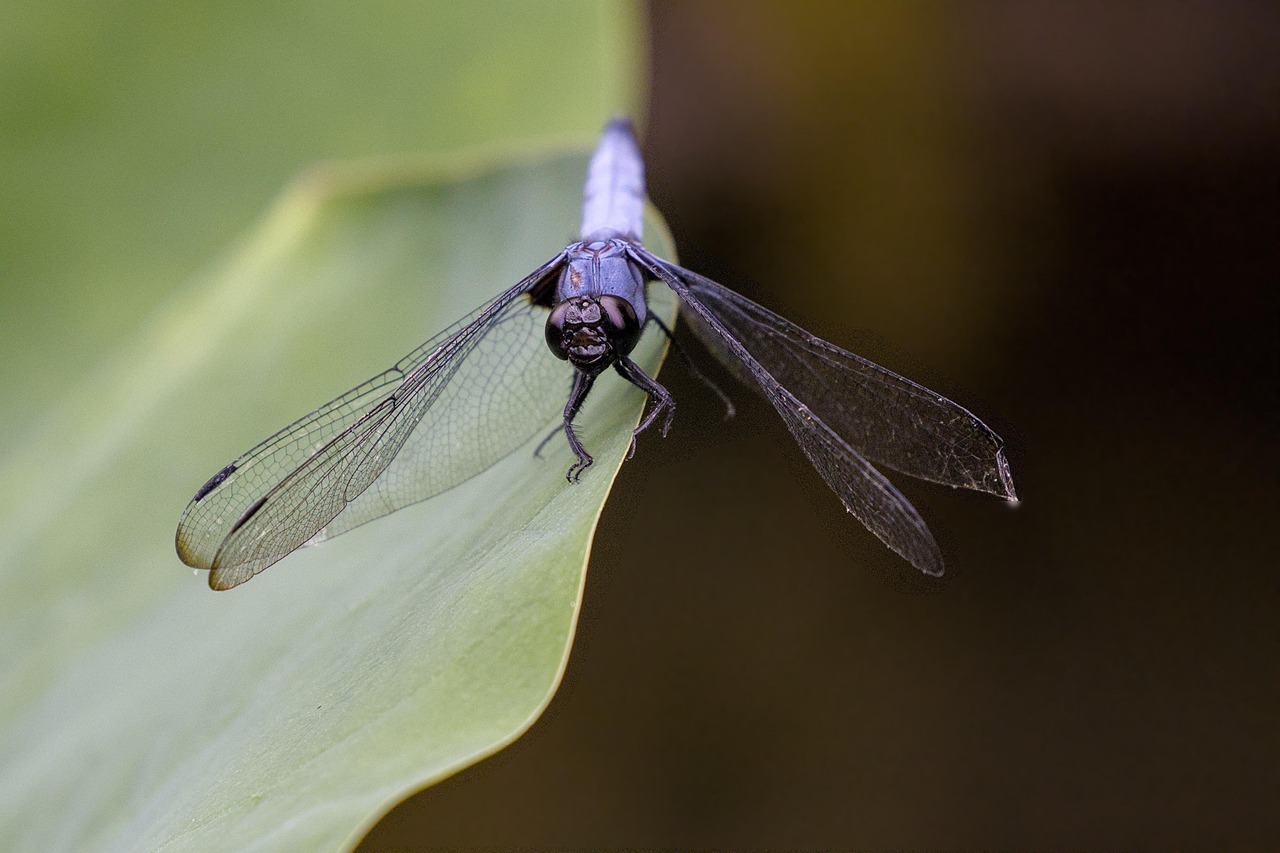
Courtesy Pixabay, DerWeg, Contributor
I turned off the TV and took a trip to Bug World.
When I walked in the door of the exhibit, I found myself face to face with an Orchid Mantis. This insect has the unique ability to blend into a patch of orchid flowers, so when another insect comes looking for nectar, the mantis snags it out of the air at dazzling speed. I watched this drama play out on the museum’s video screen. It looked very fast.
Just how fast? The exhibit invited everyone to find the answer using the nearby light board. I stepped up to the board and hit the start button. A light came on in one of the 12 dots on the board. When I tapped the lighted dot, it would go out and another dot would light up. I had 30 seconds to see how many dots I could put out. I got 12. That put me in the range of Slug. That stung. I took a deep breath and hit the start button again. This time I got 25, moving me up to Butterfly speed. So, I took off my jacket and handed my purse to my husband. I gave it all I had. I hit 33, almost getting me up to Spider speed. The mantis can do 50. They are the undisputed champions of attack speed.
I moved on to Japanese Bees. Bees are the champions of wing speed. They can hum along at 200 beats per second. The unique Japanese bees have figured out a way of use this wing speed to protect their hive. When a dangerous wasp enters their hive, they swarm around it, beating their wings fast enough to whip up the temperature to117 degrees centigrade. That’s enough to kill the wasp.
Once again, the museum invited people to test how hard it was to raise the temperature by sliding their hands over 6 lighted dots. Two small kids were already rubbing 4 of the dots and getting nowhere. I stepped up and started working on the last two dots. The temperature went up a little. “Harder!” cried the onlookers. All three of us were rubbing the lights like crazy. I started to sweat. Suddenly a light flashed. We’d hit 117 and killed the wasp. I now know just how hard the bees need to work to defend their hive.
Next up was the Dragonfly. The dragonfly can only flap its wings at 60 beats per second. But each wing operates independently, giving it the ability to fly with pinpoint accuracy. Combine this with its bulging eyes that can see in all directions, and you have the insect predator champion of deadly accuracy. The lion, pointed out the exhibit poster, will bring down its prey 20 times out of 100. The Dragonfly hits its moving target midair 95 out of 100 times.
Every time I turned around I learned something interesting. But this Bugworld traveling exhibit was also interactive and fun.
It’s going to be in Salt Lake at the Natural History Museum until September.
I heartily recommend it.
This is Mary Heers and I’m Wild About Utah
Credits:
Photos: Courtesy Pixabay, DerWeg, Contributor, https://pixabay.com/photos/dragon-fly-insect-leaf-lotus-8105990/
Featured Audio: Courtesy & Copyright © Anderson, Howe, and Wakeman Utah Public Radio upr.org
Text: Mary Heers, https://cca.usu.edu/files/awards/art-and-mary-heers-citation.pdf
Additional Reading: Lyle Bingham, https://bridgerlandaudubon.org/
Additional Reading
Wild About Utah, Mary Heers’ Wild About Utah Postings
Natural History Museum of Utah, University of Utah, http://nhmu.utah.edu
301 Wakara Way, Salt Lake City, UT 84108
Bug World Exhibit at the Natural History Museum of Utah through September 7, 2026, https://nhmu.utah.edu/exhibitions/bug-world