Fireweed

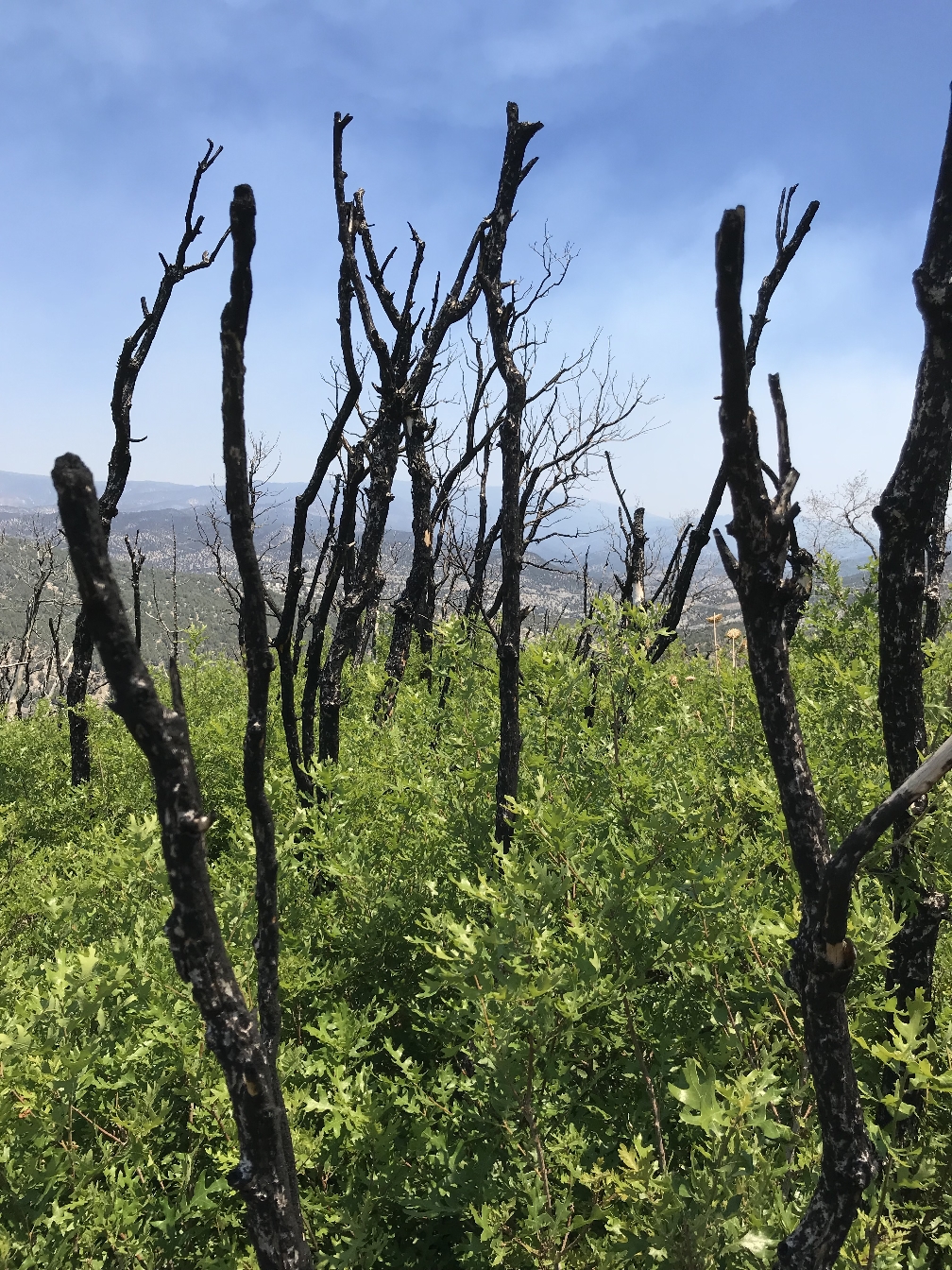
Fireweed: Gambel Oak Recovering from Wildfire (Quercus gambelii) Courtesy & © Shannon Rhodes, Photographer
Gambel Oak Recovering from Wildfire
Quercus gambelii
Courtesy & © Shannon Rhodes, Photographer
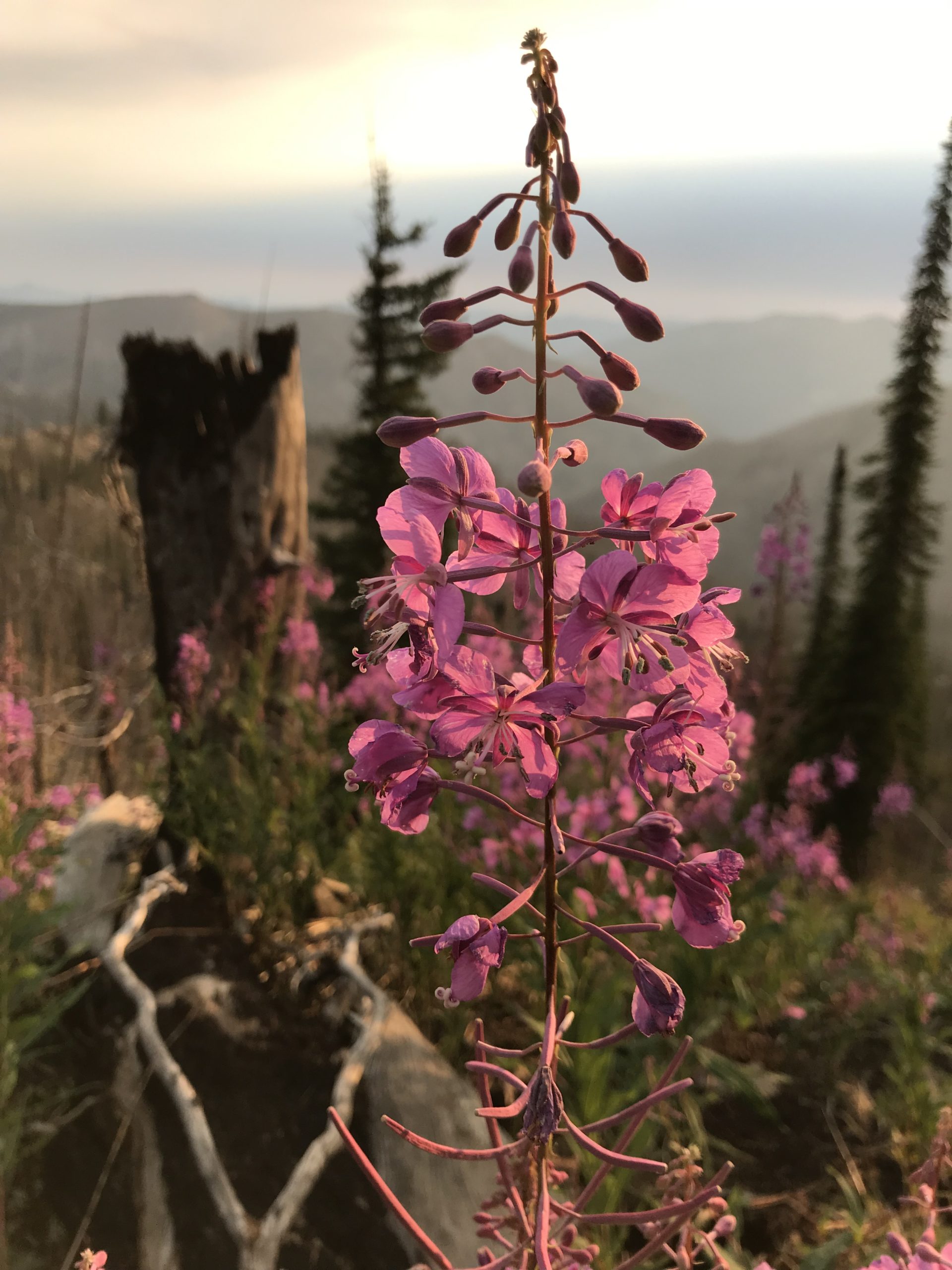
Fireweed Epilobium angustifolium Courtesy & © Shannon Rhodes, Photographer Fireweed
Epilobium angustifolium
Courtesy & © Shannon Rhodes, Photographer

Today snow blankets Utah’s forest floors, yet just a few months ago wildfire management teams were battling blazes across the state. With over 1,000 wildfires burning an estimated 63,000 acres in Utah in 2021, it was not difficult to find one. As I observed plumes of the Bennion Creek fire from a safe, comfortably cool spot atop Manti-LaSal’s Skyline Drive last June, Disney’s Bambi wildfire came to mind. Wildlife no doubt scurried while humans raced against windy conditions, hoping to contain as others evacuated, all bracing for inevitable short-term as well as long-term impacts. Smokey the Bear campaigns have called for prevention and suppression since the 1940s, and reports showed that human-caused wildfires were fewer in 2021 than previous years, yet nature itself is still sometimes to blame.

Yesterday as I visited with a close friend grieving her daughter’s recent and abrupt passing, we reflected on a summertime adventure we shared through an alpine burn scar, blackened, silent, and desolate. We wandered again through our memory of acres and acres of torched forest. Regally standing amid the charred stumps and nothing else, though, were thousands of beautifully bright pink-purple flower colonies. William Shakespeare’s poetic
“Here enclos’d, in cinders lie.
Death is now the Phoenix’ nest,”
describes this hardy plant named fireweed, not for any fiery red-orange blossoms but for being a colonizer of recently-scorched landscapes. Long before grasses, Gambel oak, and Lodgepole cone sprouts start to emerge out of the ashes, flashy fireweed will grow to sometimes nine feet tall. The flowers bloom from bottom up, and when the top flower bud blooms, winter might be just six weeks away. Also called willowherb, fireweed seed heads are long pods filled with silky feather tufts that unfold to carry tens of thousands of seeds on the wind, signaling the end of the season. As time passes, other plants will take over as successive vegetation cycles do, but once you’ve seen majestic fireweed thrive in an annihilated forest, you never forget it. Wildlife loves fireweed just as much as I do. Deer, elk, moose, and even grizzly bear along with all sorts of pollinators are attracted to her deliciously vibrant color.

January is a quiet reprieve from summer blazes, a time when renewal and rebirth is our focus. Right now forest phoenix fireweed seeds are just awaiting the thaw, eager to bring solitary but stately vitality to otherwise dismal gloom. Out of something devastating comes a little bit of lovely. After World War II bombings, fireweed bloomed in the heart of London for the first time in decades. I imagine my friend’s Crystal and fireweed would agree: Why be a princess among others when you can be the queen?

I’m Shannon Rhodes, and I am Wild About Utah.

Credits:

Images: Courtesy & Copyright © Shannon Rhodes, Photographer
Audio: Courtesy & © Friend Weller, https://upr.org/
Text:     Shannon Rhodes, Edith Bowen Laboratory School, Utah State University https://edithbowen.usu.edu/
Additional Reading Links: Courtesy Shannon Rhodes

Additional Reading:

Ballard, Heidi L., Emily Evans, Victoria E. Sturtevant, and Pamela Jakes (2012). The Evolution of Smokey Bear: Environmental Education About Wildfire for Youth, The Journal of Environmental Education, 43:4, 227-240, DOI: 10.1080/00958964.2011.644352, https://www.tandfonline.com/doi/full/10.1080/00958964.2011.644352?casa_token=4uSEKZ1Po3QAAAAA%3Al5k-XuM1LI80cCIZD3Ywg4E_3shIs8S-h-iVQ7uumEhvN-mGmaogdve04Y9tEeUqlxA2Li0Y3PVv
https://sci-hub.se/https://doi.org/10.1080/00958964.2011.644352

Boling, Josh. Fire. Wild About Utah, August 13, 2018, https://wildaboututah.org/fire/

Capdeville, Sarah. Fireweed: A Colorful Reminder of Change. (2015). https://www.mtpr.org/arts-culture/2015-06-05/fireweed-a-colorful-reminder-of-change

Collard, Sneed B. Fire Birds: Valuing Natural Wildfires and Burned Forests. (2015). Bucking Horse Books. https://www.amazon.com/Fire-Birds-Valuing-Natural-Wildfires/dp/0984446079

Green, Jack. Holy Smokes! (2021). https://wildaboututah.org/holy-smokes/

Mullen, Luba. How Trees Survive and Thrive After a Fire. (2017). https://www.nationalforests.org/our-forests/your-national-forests-magazine/how-trees-survive-and-thrive-after-a-fire

Olsen, Shawn and Debbie Amundsen. Gambel Oak in the Landscape. (2021). USU Extension. https://digitalcommons.usu.edu/cgi/viewcontent.cgi?article=1905&context=extension_curall

Peery, Lexi. Utah Saw a Decrease in Human-caused Wildfires. November 2, 2021. https://www.kuer.org/health-science-environment/2021-11-02/utah-saw-a-decrease-in-human-caused-wildfires-this-year-but-officials-say-fire-season-isnt-going-away

Shakespeare, William. The Phoenix and the Turtle. (1601). https://www.poetryfoundation.org/poems/45085/the-phoenix-and-the-turtle-56d2246f86c06

U.S. Department of Agriculture. Fireweed. (2016). https://www.nrcs.usda.gov/Internet/FSE_PLANTMATERIALS/publications/wapmspg12854.pdf

Vizgirdas, Edna. U.S. Forest Service Plant of the Week: Fireweed. https://www.fs.fed.us/wildflowers/plant-of-the-week/chamerion_angustifolium.shtml

Wells, Kathryn and Timothy J. Haney. D is for Disaster. (2017). https://journals.sagepub.com/doi/full/10.1177/1536504217714262 Volume: 16 issue: 2, page(s): 62-64. (2017).

Wild About Utah Posts by Shannon Rhodes https://wildaboututah.org/author/shannon-rhodes/


Beaver Tail Strike

Beaver Tail Strike: Beaver swimming Courtesy NPS,  J Schmidt, Photographer
Beaver swimming
Courtesy NPS,
J Schmidt, Photographer
When I first saw a beaver in Cache Valley I thought I’d seen an alligator. I was sitting in the front of a canoe when a large head shot past the bow followed by a black tail that flew into the air and came down on the water with a resounding slap

“What was that?” I asked
“I don’t know,” my friend answered
“I think it was an alligator,” I said
By then then creature had disappeared and we paddled on.

I found out later that tail slapping is a common beaver behavior. Its a warning shot before the beaver dives for cover.

Intrigued, I set out to learn more. It came as a surprise to me to find out that when a beaver builds a dam, it is actually building a home. Inside a sturdy wall of sticks, rocks and mud, the beavers build a living space above the water line. It’s dry – and its safe because it can only be entered by swimming through underwater tunnels. Not a problem for a beaver who can swim underwater for as long as 15 minutes.

When the surface of the pond freezes over, the females will give birth. Its an extended family life – an adult pair, the yearlings, and the new kits. When winter is long, and with so many mouths to feed, the beavers have perfected their food storage. Hauling their favorite food, aspen , back to the lodge, they jam it into the muddy bottom of the pond. There is stays, fresh and crisp like any refrigerated food, until its needed.

When fur trappers arrived in Northern Utah in the 1800’s, European hat makers had discovered that felted beaver wool made the very best hats. Bear Lake became a hot spot. The historical marker just north of Garden City tells us,

“Donald MacKenzie, Jim Bridger, and a host of famous beaver hunters operated here. Two major summer frolics and trade fairs brought plenty of excitement to Bear Lake in 1827 and 1828.”

Trappers were harvesting up to 500 lbs a year. But by 1840, the beavers had become almost extinct. European fashion in hats moved on to silk – a good thing for the hat makers as well because the mercury used in the felting of beaver wool caused all kinds of neurological disorders. Its no joke the Hatter in Alice in Wonderland is mad.

Back in northern Utah, the beaver population slowly rebuilt, but the human population also grew and conflicts arose. Recently a farmer in Benson became irate when beavers began to redirect the flow of water through his irrigation canals

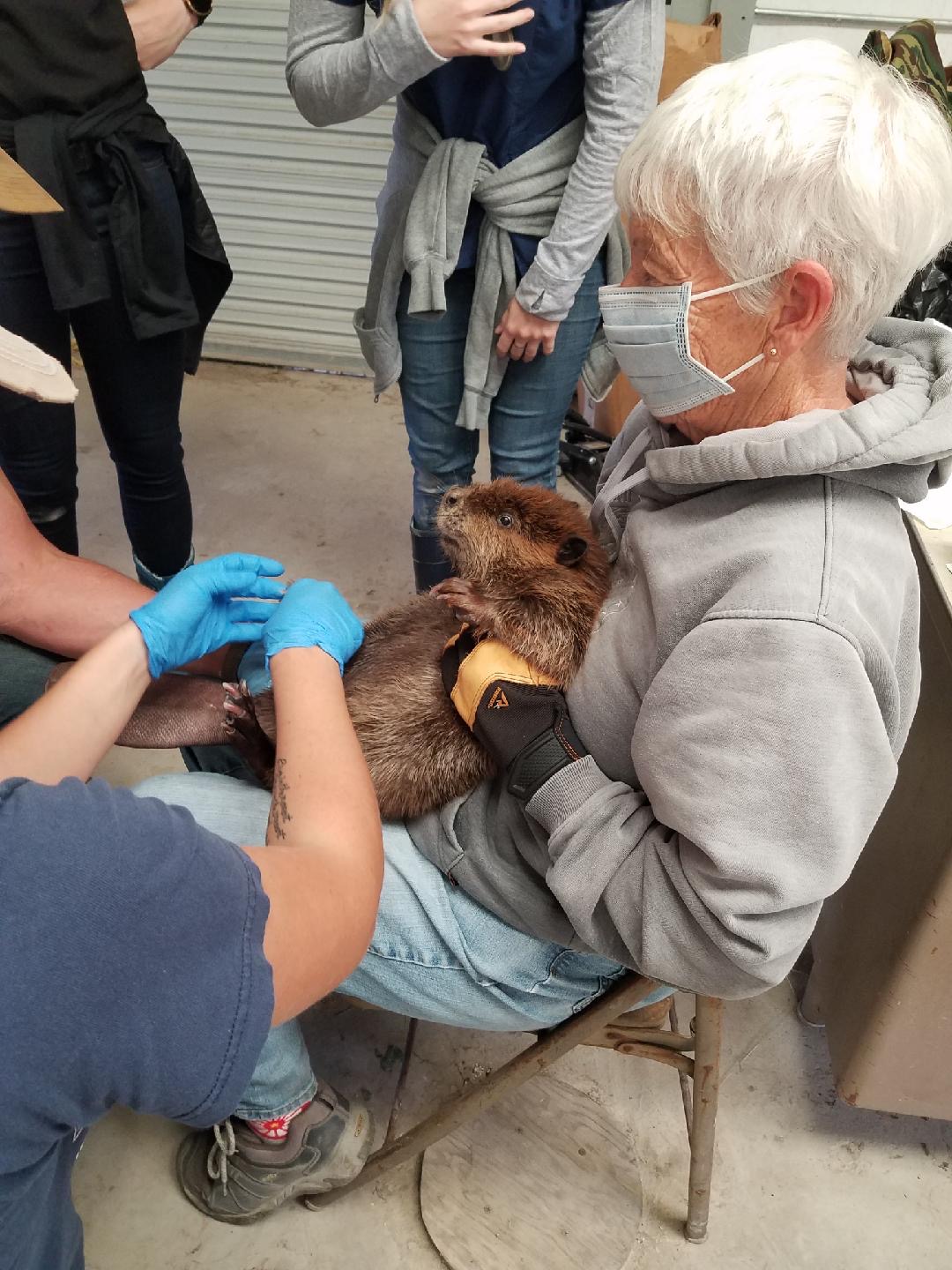
Beaver Health Exam Courtesy & © Mary Heers, Becky Yeager, Photographer
Beaver Health Exam
Courtesy & © Mary Heers, Becky Yeager, Photographer
It’s the job of the Utah Division of Wildlife Resources to live trap and relocate these beavers. I was lucky to be allowed into the loop at this point.

When I picked up one of the smaller beavers, I could feel its heart going a mile a minute under my fingers. But it settled down as I sat in a chair holding it against my chest while it got a quick physical checkup.

Holding the beaver close, I had a good look at the nibble fingers on its front feet, the webbing on its back feet that can paddle along at 6mph, and the marvelous flat tail, a good rudder for swimming, a prop for standing on land, and perfect for slapping the water’s surface.

Take my word for it, once you’ve seen this slap up close, you won’t forget it.

I’m Mary Heers and I’m Wild About Utah.

Credits:
Photos: Courtesy US NPS, Yellowstone Collection, J. Schmidt, Photographer
Photos: Courtesy & Copyright © Mary Heers
Featured Audio: Courtesy Friend Weller, Utah Public Radio
Text & Voice: Mary Heers
Additional Reading: Lyle Bingham, Webmaster

Additional Reading

Leavitt, Shauna, Beaver in Utah’s Desert Rivers, Wild About Utah, July 6, 2020, https://wildaboututah.org/beaver-in-utahs-desert-rivers/

Leavitt, Shauna, Proposed Beaver Holding Facility in Millville, Utah, Wild About Utah, September 3, 2018, https://wildaboututah.org/proposed-beaver-holding-facility-in-millville-utah/

Goodwin, Jim, Riparian Zones and a Critter Quiz, Wild About Utah, January 22, 2015, June 15, 2015, https://wildaboututah.org/riparian-zones-and-a-critter-quiz/

Strand, Holly, Beavers: The Original Army Corps of Engineers, Wild About Utah, April 29, 20-10, August 16, 2012, https://wildaboututah.org/beavers-the-original-army-corps-of-engineers/

Kervin, Linda, Huddling for Warmth, Wild About Utah, February 3, 2011, https://wildaboututah.org/huddling-for-warmth/

Beaver Monitoring App, Utah Water Watch, Extension, Utah State University, https://extension.usu.edu/utahwaterwatch/citizenscience/beavermonitoringapp/

Pollock, M.M., G.M. Lewallen, K. Woodruff, C.E. Jordan and J.M. Castro (Editors) 2018. The Beaver Restoration Guidebook: Working with Beaver to Restore Streams, Wetlands, and Floodplains. Version 2.01. United States Fish and Wildlife Service, Portland, Oregon. 189 pp. Online at: https://www.fws.gov/oregonfwo/ToolsForLandowners/RiverScience/Beaver.asp
also https://restoration.usu.edu/pdf/2018BRGv.2.01.pdf

Macfarlane W.W., Wheaton J.M., and M.L. Jensen. 2014. The Utah Beaver Restoration Assessment Tool: A Decision Support and Planning Tool. Ecogeomorphology and Topographic Analysis Lab, Utah State University, Prepared for Utah Division of Wildlife Resources, Logan, Utah, 135 pp. Available at: https://etalweb.joewheaton.org.s3-us-west-2.amazonaws.com/Downloads/BRAT/UTAH_BRAT_FinalReport.pdf

Wheaton JM. 2013. Scoping Study and Recommendations for an Adaptive Beaver Management Plan. Prepared for Park City
Municipal Corporation. Logan, Utah, 30 pp. https://etalweb.joewheaton.org.s3-us-west-2.amazonaws.com/Reports/Beaver_Management_Plan_Recc_Park_City_%20Report_FINAL.pdf

Beaver Reintroduction Looks Positive for Stream Restoration
in Northern Utah, Utah Forest News, USU Forestry Extension, Utah State University, Volume 18, Number 3, 2014, https://forestry.usu.edu/files/utah-forest-newsletter/utah-forest-newsletter-2014-3.pdf

Muffoletto, Mary-Ann, Dam Good! Beavers May Restore Imperiled Streams, Fish Populations, Today, Utah State University, July 07, 2016, https://www.usu.edu/today/story/dam-good-beavers-may-restore-imperiled-streams-fish-populations

Restoring Degraded Waters, One Pest at a Time, Utah State Magazine, Utah State University, December 7, 2021, https://utahstatemagazine.usu.edu/environment/restoring-degraded-waters-one-nuisance-at-a-time/

Goldfarb, Ben, Eager: The Surprising, Secret Life of Beavers and Why They Matter, Chelsea Green Publishing, March 8, 2019, https://www.amazon.com/Eager-Surprising-Secret-Beavers-Matter/dp/1603589082/ref=asc_df_1603589082/

It’s Christmas Bird Count Time! Hallelujah!

It’s Christmas Bird Count Time! Hallelujah! Male House Finch, Carpodacus mexicanus, Courtesy US FWS, Gary Kramer, Photographer
Male House Finch
Carpodacus mexicanus
Courtesy US FWS, Gary Kramer, Photographer

Cassin's Finch, Carpodacus cassinii Courtesy US FWS, Dave Menke, Photographer Cassin’s Finch
Carpodacus cassinii
Courtesy US FWS, Dave Menke, Photographer

Pine Siskin, Carduelis pinus Courtesy US FWS, Dave Menke, Photographer Pine Siskin
Carduelis pinus
Courtesy US FWS, Dave Menke, Photographer

The Audubon Christmas Bird Count is the nation’s longest-running community science project and it fuels international research throughout the year. Seasoned birders and beginners alike spend a day counting our local populations of bird species. Those just starting to notice birds can be valuable spotters in the mobile sectors, and can easily learn to observe the subtle differences between similar species we’re likely to notice when looking out the window from home for a few minutes.

The Bridgerland Audubon Society launched the Cache Christmas Bird Count watch circle in 1955, contributing to a tradition launched in 1900 by ornithologist Frank M.
Chapman who out of concern for dwindling bird populations managed to change the culture from annual Christmas bird shooting contests into bird counting contests. Bridgerland Audubon always schedules on the first Saturday on or following December 14th, and typically documents about 100 species of birds.

The Cache Valley watch circle is divided into eleven sectors and includes all homes within a 7.5 mile radius from the center of the circle which is located at Main Street & Hyde Park Lane (Hwy 91 & 3600 N). The same 15-mile diameter watch circle is surveyed each December – that’s about 177 square miles, and we can use all the help we can get, especially from folks watching from home. Don’t worry if you can’t identify all of the birds you see – you will just report the ones you do recognize. You can also get help by posting photos to the Bridgerland Audubon Facebook group.

The Home Sector provides a lot of extra data on about 32 species, the most common of which are available on a one page photo-illustrated checklist on the Bridgerland Audubon website where you will also find links to the free Merlin App which identifies birds by their songs. The Visitors Bureau has a nice selection of Utah Bird field guides which are great for beginners.

Bird identification is all about learning to notice the little differences in size, coloration patterns, shape of the beak, the crown of the head, and the end of the tail. For example a House Finch and a Cassin’s Finch may look the same at first glance, but the House Finch has streaks on the side of the body, a rounded tail tip, and the red over the eyes is more like a headband than a top hat. The Cassin’s Finch has a notched tail and lacks those streaks on the breast and and sides. The Pine Siskin looks like a tiny House Finch but it has a hint of yellow on its wings and the beak is small and pointed. Don’t forget that zero is a number! If you’re lucky you might even get creative inspiration as did one participant who didn’t see any birds but did write a poem which they asked be attributed to anonymous:

Christmas Count Lament:
I watched and watched all day,
not one bird did come my way.
Though snow gave way to sun,
still, not a single one.

No delicate song,
no fluttering wing;
no pecking or scratching
-no anything.

How less dimensional
the world would be,
if there were no bird song to hear
or fluttering to see.
– By Anonymous

Visit Audubon.org to find a Christmas Bird Count near you, and visit bridgerlandaudubon.org to join the local count on Saturday, December 18th, 2021. Preregistration is free but required. We will be observing COVID safety guidelines.

I’m Hilary Shughart with Bridgerland Audubon and I am Wild About Utah!

Credits:
Photo: House Finch (Carpodacus mexicanus), Courtesy US FWS, Kramer, Gary, Photographer, https://digitalmedia.fws.gov/digital/collection/natdiglib/id/14084/rec/3
Photo: Cassin’s Finch (Carpodacus cassinii), Courtesy US FWS, Menke, Dave, Photographer, https://digitalmedia.fws.gov/digital/collection/natdiglib/id/1710/rec/1
Photo: Pine Siskin (Carduelis pinus), Courtesy US FWS, Menke, Dave, Photographer, https://digitalmedia.fws.gov/digital/collection/natdiglib/id/7388/rec/1
Featured Audio: Courtesy & Copyright © Kevin Colver, https://wildstore.wildsanctuary.com/collections/special-collections/kevin-colver
Text & Voice: Hilary Shughart, President, https://bridgerlandaudubon.org/
Additional Reading: Hilary Shughart, https://bridgerlandaudubon.org/

Additional Reading

Bridgerland Audubon CBC Toolkit, https://bridgerlandaudubon.org/our-projects/cache-valley-christmas-bird-count/

National Audubon Data: Annual Summaries of the Christmas Bird Count, 1901-Present, https://www.audubon.org/content/american-birds-annual-summary-christmasbird-count

General Tips for Bird Identification:
Mayntz, Melissa, Jizz Definition – Bird Identification, Learn to Identify Birds by Jizz, Updated on 08/04/21 https://www.thespruce.com/jizz-definition-bird-identification-385284

Tips from eBird on How to count large flocks of birds: “Big numbers of Moving Birds. Their are two ways to count large flocks of moving birds: either by blocking off a group of individuals, counting them, and then extrapolating to the whole of the flock; or by counting birds per unit of time.” https://ebird.org/news/counting-101/

The annual plumage cycle of a male American Goldfinch – Sibley Guides https://www.sibleyguides.com/2012/05/the-annual-plumage-cycle-of-a-male-americangoldfinch/

L.A.F., Illustrator, Dark Eyed Junco, Supercoloring.com, Copyright 2008-2021, Junco Coloring Page https://www.supercoloring.com/coloring-pages/dark-eyed-junco?version=print

Utah-Centric Books & Field Guides:
Tekiela, Stan, Birds of Utah Field Guide, Adventure Publications, Apr 21, 2003, https://www.amazon.com/Birds-Utah-Field-Guide-Tekiela/dp/1591930197/

Fenimore, Bill, Backyard Birds of Utah: How to Identify and Attract the Top 25 Birds, Gibbs Smith, March 27, 2008, https://www.amazon.com/Backyard-Birds-Utah-IdentifyAttract/dp/1423603532/

Kavanagh, James, Utah Birds: A Folding Pocket Guide to Familiar Species (Wildlife and
Nature Identification) Pamphlet, Waterford Press, September 1, 2017, https://www.amazon.com/Utah-Birds-Folding-Familiar-Naturalist/dp/1583551328/

Antelope Island Bison

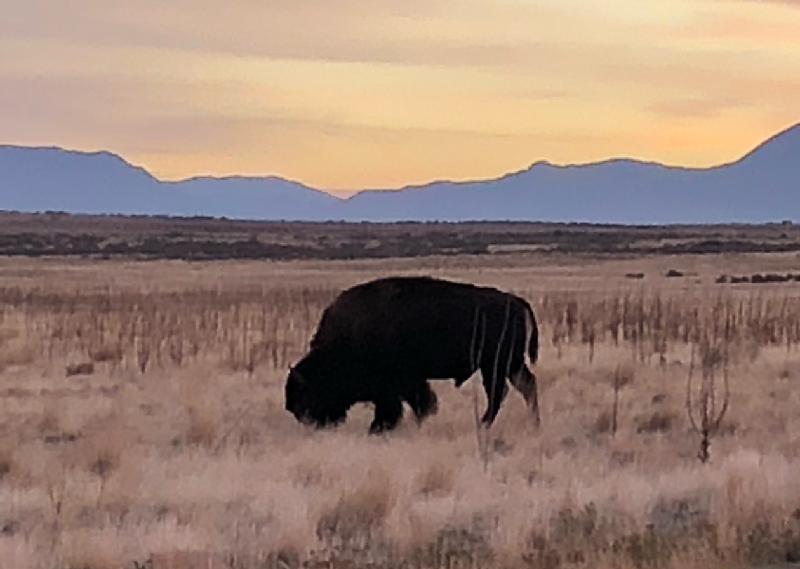
Bison Bull on Antelope Island Courtesy & © Mary Heers, Photographer
Bison Bull on Antelope Island
Courtesy & © Mary Heers, Photographer

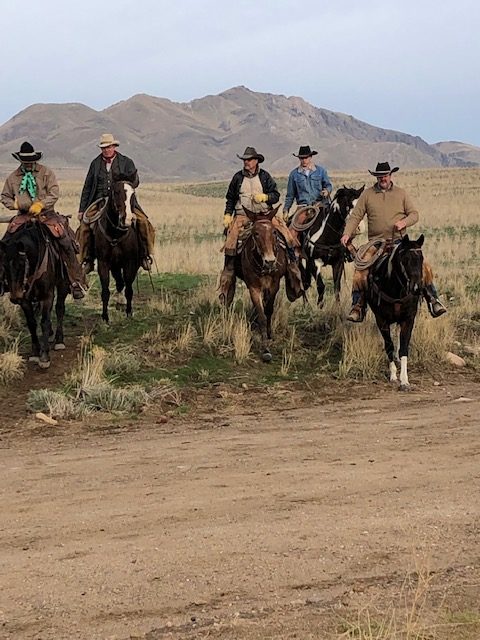
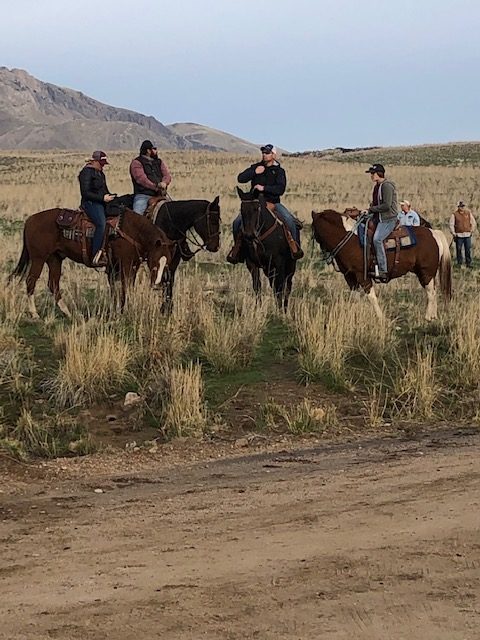
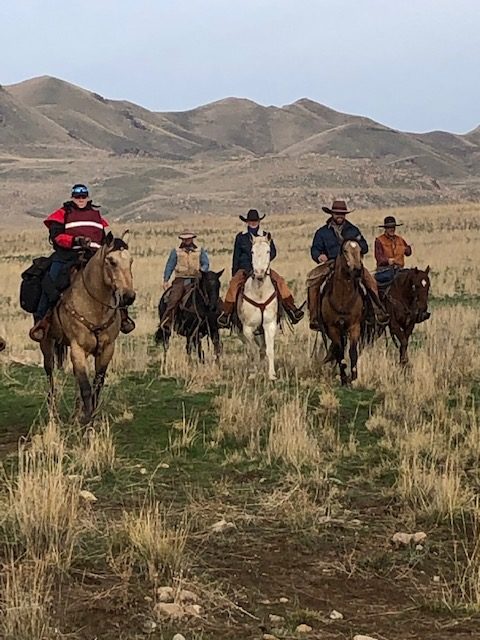
Cowboys Staging for the Antelope Island Bison Roundup Oct 30, 2021 Courtesy & © Mary Heers, PhotographerCowboys Staging for the Antelope Island Bison Roundup Oct 30, 2021 Courtesy & © Mary Heers, PhotographerCowboys Staging for the Antelope Island Bison Roundup Oct 30, 2021 Courtesy & © Mary Heers, Photographer Cowboys Staging for the Antelope Island Bison Roundup Oct 30, 2021
Courtesy & © Mary Heers, Photographer

Bison Pair Courtesy & © Mary Heers, Photographer Bison Pair
Courtesy & © Mary Heers, Photographer

The sun was just coming up when I drove onto Antelope Island State Park on Oct 30 Bison were grazing on both sides of the road, and I had to stop a few times and wait as they lumbered across the road. But by the time I reached the Garr Ranch on the southern end of the island, I felt I had driven onto the set of a Hollywood western. 250 volunteer cowboys were saddled up on their horses and were getting their final instructions. At 8 am they spread out in a long line and began their slow walk north. Ahead of them the bison began to move. This was the day of the annual bison round-up. By the end of the day, the more than 500 bison on the island were milling about in the sturdy corrals in the northern part of the island.

After giving the bison a day to catch their breath, the park managers started to move the bison through the corrals until, one by one, they stepped on the scales. The young calves born that spring weighed in at about 400 lbs and the old bulls topped the scales at over 2000. The next step was into the restraining chute. It was time to get vaccinated and have a quick medical checkup.

Over the clanging and banging of the solid metal pens, I could occasionally hear the vet cry, “Pregnant!” This seemed to be the magic password, as the front gates of the chute would fly open and the heifer would dash off into a pen that would return her back into the island. The others needed to wait.

This whole story began in 1873 when 12 privately owned bison were sold to the owners of Antelope Island. These twelve thrived in this harsh environment. They grew shaggy warm winter coats and plowed the deepest snow drifts, swinging their massive heads back and forth, down to the grass below. A bison will eat 40 pounds of grass a day. Antelope Island is only 15 miles long and 5 miles wide There is just enough grass to support a herd of 500. Since there are no wolves or natural predators on the island, the park managers will need to sell the excess numbers at an online auction.

In the 1500’s, an estimated 50 million bison roamed the Great Plains. The Native Americans revered them and harvested them mindfully. They found a use for every bison part – including the stomach, which proved a reliable water jug. But the western expansion of white settlers led to the deliberate slaughter of the bison. By the end of the 19th c, only 300 bison were left in the wild.

The chief taxidermist at the Smithsonian National Museum, William Hornaday, spend two summer in remote corners of Montana harvesting and old bull, a calf, and 4 young bison. He brought the hides back to Washington and built a display that he believed would be the only chance for future generations to see this vanishing species.

In Yellowstone National Park, 2 army men patrolling the park on cross country skis witnessed a poacher shoot a bison. The poacher had put down his rifle and was busy severing the trophy head. The two soldiers quietly skied up close enough to apprehend him with their revolver. Still the park’s bison herd dwindled to 23 -until 1902 when he army purchased 21 more from private owners.

The Yellowstone herd now numbers over 5,000.

Today, between parks, private herds, and tribal lands the bison now number half a million.

Bison have come roaring back from the very edge of extinction.

This is Mary Heers and I’m wild about Utah.

Credits:
Photos: Courtesy & Copyright © Mary Heers
Featured Audio: Courtesy & Copyright © Friend Weller, Utah Public Radio upr.org
Text: Mary Heers, https://cca.usu.edu/files/awards/art-and-mary-heers-citation.pdf
Additional Reading: Lyle Bingham, https://bridgerlandaudubon.org/

Additional Reading

Wild About Utah, Mary Heers’ Wild About Utah Postings

US FWS Bison Images: https://digitalmedia.fws.gov/digital/collection/natdiglib/search/searchterm/bison

Clifton, Jameson, Get Involved With Plans To Manage Yellowstone National Park’s Bison, Wild About Utah, June 1, 2015, https://wildaboututah.org/get-involved-with-plans-to-manage-yellowstone-national-parks-bison/

Boling, Josh, The Henry Mountains’ Bison Herd, Wild About Utah, January 14, 2019, https://wildaboututah.org/the-henry-mountains-bison-herd/

2021 Bison Roundup, Antelope Island State Park, Utah Department of Natural Resources, Oct 30, 2021, https://stateparks.utah.gov/parks/antelope-island/bison-roundup/

Cabrero, Alex, Annual bison roundup held at Antelope Island State Park, KSL TV, October 30, 2021, https://ksltv.com/475592/annual-bison-roundup-held-at-antelope-island-state-park/

Cox, Erin, Hundreds of volunteers gather to participate in annual bison roundup at Antelope island, Fox 13, Scripps Local Media, https://www.fox13now.com/news/local-news/hundreds-of-volunteers-gather-to-participate-in-annual-bison-roundup-at-antelope-island