
Join a BioBlitz this Year

BioBlitz Logo, Courtesy Audubon International
BioBlitz 2016 Logo
Courtesy Audubon International
auduboninternational.org/BioBlitz/ (updated 8/22/2024)
Note: Audubon International is a separate organization from National Audubon: Audubon.org and has a different mission.


National Parks BioBlitz Logo, Courtesy National Geographic SocietyNational Parks BioBlitz Logo
Courtesy National Geographic Society
https://education.nationalgeographic.org/resource/bioblitz/ (updated 8/22/2024)

See also:
https://www.nps.gov/subjects/biodiversity/national-parks-bioblitz.htm

“So what is a BioBlitz anyway”, by far the most common question we get from the public who visit our parks and other venues offering the event.
A BioBlitz is an event that focuses on finding and identifying as many species as possible in a specific area over a short period of time. Scientists, families, students, teachers, and other community members work together to get an overall count of the plants, animals, fungi, and other organisms that live in a place.

For the past decade the National Geographic Society and National Park Service have collaborated on a BioBlitz in a different park each year. This year in order to celebrate the NPS centennial, over 250 BioBlitzes are happening across the country and throughout the year. The resulting recordings can be impressive with hundreds of organisms showing up. It is great fun, a celebration of life in all of its myriad forms

My first experience occurred two years ago at the Golden Gate NRA where several thousand folks joined us. One of many highlights was standing on the Golden Gate bridge with a bunch of college students during a wind driven rain storm counting porpoises swimming through far below. Joining us was a lead mammologist who had been researching the return of these remarkable beings. The porpoises had been excluded from the bay by a massive cable net installed during WWII to prevent enemy submarines from entering the bay. Many new species of life were added to the Park list as is often the case.

Last year I joined the Hawaii Volcanoes NP for another grand experience including many native Polynesians adding a marvelous cultural component to the experience, then on to Yellowstone NP where my team investigated pika numbers near Mammoth Hot Springs. The park is especially concerned with the warming trend and reduction of snow pack on their long term survival.
I just returned from blitzing New Mexico’s Bandelier NM. As with Hawaii Volcano, they included a strong cultural presence by inviting in the Pueblo people to perform and exhibit their rich life ways. During the two-day event 17 inventory teams collected 877 observations and identified 363 species.

Back home we had our first event on the Logan River golf course a week ago sponsored by Audubon International and our local Bridgerland Audubon chapter. For our first run we did well. 57 bird species, 67 plants, 1 reptile, 1 amphibian, and a few fungi made the list. There are many more species that were overlooked given our short window of time and limited numbers of observers.
Perhaps you will find opportunity to join a Bioblitz, or create one of your own in your area. Gather up some folks, load the I Naturalist program on your smart phone or I pad and spend a few ours or few days reveling in what nature has to offer- many surprises to say the least!
This has been Jack Greene reading for WAU.
 
This is Jack Greene reading for Wild About Utah.

Credits:
Images: Courtesy Audubon International and National Geographic Society
Text:     Jack Greene, Bridgerland Audubon Society & USU Office of Sustainability

Additional Reading:

National Parks BioBlitz, National Park Service, https://www.nps.gov/subjects/biodiversity/national-parks-bioblitz.htm

Audubon International BioBlitz 2016, Audubon International, https://www.auduboninternational.org/BioBlitz2016

BioBlitz 2016, National Geographic Society, https://nationalgeographic.org/projects/bioblitz/
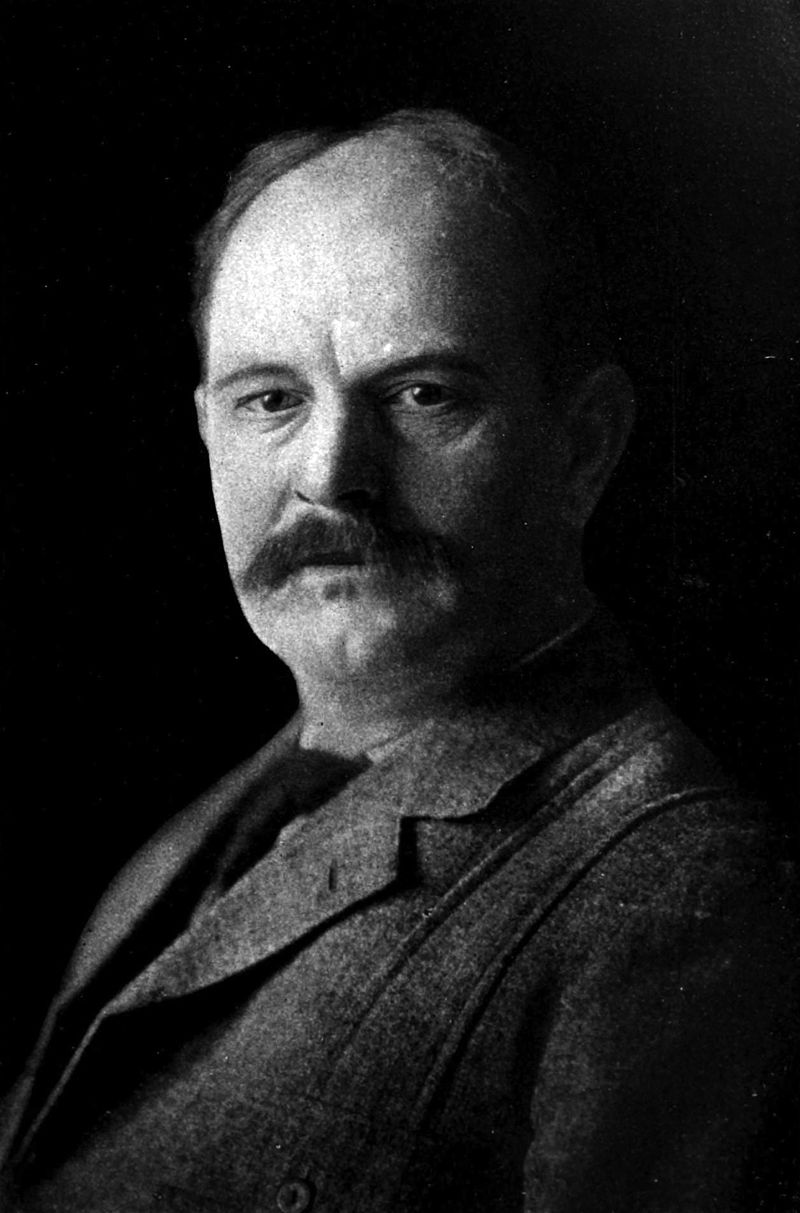
Christmas Bird Count (CBC) and Climate Change

Click for a larger view of Frank M. Chapman, organizer of the first christmas bird count, Courtesy Wikimedia, Image in the public domain
Frank M. Chapman
Courtesy Wikimedia
Image in the public domain
 

On December 19th, I will have joined several others for an exciting day of counting bird species and numbers in our lovely, snowy valley. Our numbers will be entered on a database that will be shared with the world. The Christmas Bird Count began on Christmas Day in the year 1900 when ornithologist Frank M. Chapman, an officer in the nascent Audubon Society, proposed a new holiday tradition—a “Christmas Bird Census” that would count birds during the holidays rather than slaughtering them, which had been the past ritual.

The data collected by observers over the past 115 years has allowed researchers to study the long-term health and status of bird populations across North America. When combined with other surveys such as the Breeding Bird Survey, it provides a picture of how the continent’s bird populations have changed in time and space. This long term perspective is vital for conservationists. It informs strategies to protect birds and their habitat, and helps identify environmental issues with implications for people as well.

Along with the fun it brings, this year’s count will have special significance for our local Audubon chapter which was awarded a National Audubon grant for “spreading the word” on our changing climate’s impact on birds. Through the grant writing and implementation I have a heightened awareness of how bird populations and their spacial distribution are changing at an accelerating rate.

Audubon’s 2014 Climate Change Report is a comprehensive, first-of-its kind study that predicts how climate change could affect the ranges of 588 North American birds. Of the bird species studied, more than half are likely to be in trouble. The models indicate that 314 species will lose more than 50 percent of their current climatic range by 2080.

The Environmental Protection Agency (EPA) has included Audubon’s climate change work from CBC data as one of 26 indicators of climate change in their 2012 report.

In 2007, CBC data were instrumental in the development of Audubon’s Common Birds in Decline Report, which revealed that some of America’s most beloved and familiar birds have taken a nosedive over the past forty years.

142 species of concern are found in Utah including our state bird, the California gull and our the bald eagle, our national bird. Averaging the most recent 10 years, our valley has seen 16 species increase and 11 species decline. Of course we would need a take a much broader sweep to know the true story of these species, but our data may play a significant part in the overall analysis.
And please keep those bird feeders full as we enter the coldest month of the year!

This is Jack Greene for Wild About Utah.

Credits:
Image: Courtesy Wikimedia and in the public domain
Text:     Jack Greene, Bridgerland Audubon Society


Additional Reading:

Ruffed Grouse and the Christmas Bird Count

Ruffed Grouse and the Christmas Bird Count
Ruffed Grouse
Bonasa umbellus
Courtesy Utah Division of Wildlife Resources

I set out this week to investigate why so many gifts in ‘The 12 Days of Christmas’ are birds. You know the song: there are swans a swimming, geese a laying, calling birds, French hens, turtle doves, and that partridge in the pear tree. Well, I never did find the answer. But what I did find was some interesting information about a native bird often incorrectly referred to as a partridge –a bird that is supremely well adapted to life in winter.

Ruffed grouse resemble partridges in that they are ground-dwelling game birds of similar size and stature. Their name comes from a collar of long feathers surrounding the necks of males who fluff them out when seeking mates in spring. The birds come in two color phases, differentiated mainly by their tail feathers, which can be either gray or chestnut brown. While not well understood, a grouse’s color phase seems to be linked to climate. Grouse with gray tails are more prevalent in areas defined by cold winters, while brown grouse are more common in warmer climates.

Now that snow is blanketing the landscape across much of their territory, the ruffed grouse is in its element. Harsh winters that adversely affect populations of other ground-dwelling game birds such as quail, pheasant, and turkeys, don’t seem to faze ruffed grouse. Their ability to survive is dictated by a number of special adaptations. The first is on their feet, where each winter nubby feathers called pectinations grow on the sides of the birds’ toes. Looking like strange combs, the bristles act as snowshoes, allowing the grouse to walk on top of even the softest snow. More special feathers grow on grouse legs like personal leg-warmers, and also near the bird’s beak, covering its nostrils. Scientists believe the feathered mustache enables grouse to breathe in warmer air than they otherwise would, thus keeping their internal temperature more stable.

Changes in weather bring about some changes in behavior as well. Warmer months find the birds resting in evergreens or thick brush. But in winter, when a foot or more snow covers the ground, grouse roost in the snow. The birds create small burrows which hide them from predators, offer protection from frigid winter winds, and keep them surprisingly snug and warm. Many a backcountry skier or snowshoer has been startled by a hidden grouse bursting noisily from its snowy lair.

The birds’ diet also changes seasonally from a summer sampling of green foliage, seeds, berries and insects, to the protein-rich dormant flower buds of trees such as aspen and birch. Grouse also won’t hesitate to eat the sweet flower buds of domestic trees like apples, and were at one time considered a pest in New England orchards. And so it’s actually not out of the question that within ruffed grouse territory, you might wake up one Christmas morning to find a ‘partridge’ in your pear tree.

Speaking of birds and the holiday season, it’s nearly time for the Audubon Society’s annual Christmas Bird Count. Over the next few weeks, tens of thousands of volunteers around the country will join in this 113-year-old tradition, collecting data on the types and numbers of birds living in their area. This data allows scientists to monitor and track populations over time and space. Participants can be seasoned birders, first timers, or anything in-between. In Logan, Ogden, Salt Lake, and Zion National Park, the count takes place Saturday, December 20th. Other locations around the state will host their events between now and January 5th. To find a count near you, visit birds.audubon.org and click on Christmas Bird Count. For the Stokes Nature Center and Wild About Utah, this is Andrea Liberatore.

For the Stokes Nature Center and Wild About Utah, this is Andrea Liberatore.

Credits:

Theme: Courtesy & Copyright Don Anderson Leaping Lulu
Images: Courtesy Utah Division of Natural Resources
Text & Voice: Andrea Liberatore, Stokes Nature Center

Additional Reading:

Furtman, Michael. (1999) Ruffed Grouse: Woodland Drummer. Stackpole Books, Mechanicsburg, PA.
https://www.amazon.com/Ruffed-Grouse-Woodland-Michael-Furtman/dp/0811731227

Rawley, E. V., W. J. Bailey, D. L. Mitchell, J. Roberson, and J. Leatham. 1996. Utah upland game. Publication number 63-12. Utah Division of Wildlife Resources, Modified text available online at: https://fieldguide.wildlife.utah.gov/?species=bonasa%20umbellus

New York State Department of Environmental Conservation (2012) Ruffed Grouse. Available online at: https://www.dec.ny.gov/animals/45436.html

National Audubon Society’s Christmas Bird Count:
https://birds.audubon.org/get-involved-christmas-bird-count-find-count-near-you

Utah Christmas Bird Counts:
https://utahbirds.org/cbc/cbc.html

Logan Christmas Bird Count:
Bridgerland Audubon Society Logan Christmas Bird Count 15 Dec 2012

Ruffed Grouse and the Christmas Bird Count

Ruffed Grouse and the Christmas Bird Count: Ruffed Grouse, Bonasa umbellus
Ruffed Grouse
Bonasa umbellus
Courtesy Utah Division of Wildlife Resources
I set out this week to investigate why so many gifts in ‘The 12 Days of Christmas’ are birds. You know the song: there are swans a swimming, geese a laying, calling birds, French hens, turtle doves, and that partridge in the pear tree. Well, I never did find the answer. But what I did find was some interesting information about a native bird often incorrectly referred to as a partridge –a bird that is supremely well adapted to life in winter. Ruffed Grouse and the Christmas Bird Count

Ruffed grouse resemble partridges in that they are ground-dwelling game birds of similar size and stature. Their name comes from a collar of long feathers surrounding the necks of males who fluff them out when seeking mates in spring. The birds come in two color phases, differentiated mainly by their tail feathers, which can be either gray or chestnut brown. While not well understood, a grouse’s color phase seems to be linked to climate. Grouse with gray tails are more prevalent in areas defined by cold winters, while brown grouse are more common in warmer climates.

Now that snow is blanketing the landscape across much of their territory, the ruffed grouse is in its element. Harsh winters that adversely affect populations of other ground-dwelling game birds such as quail, pheasant, and turkeys, don’t seem to faze ruffed grouse. Their ability to survive is dictated by a number of special adaptations. The first is on their feet, where each winter nubby feathers called pectinations grow on the sides of the birds’ toes. Looking like strange combs, the bristles act as snowshoes, allowing the grouse to walk on top of even the softest snow. More special feathers grow on grouse legs like personal leg-warmers, and also near the bird’s beak, covering its nostrils. Scientists believe the feathered mustache enables grouse to breathe in warmer air than they otherwise would, thus keeping their internal temperature more stable.

Changes in weather bring about some changes in behavior as well. Warmer months find the birds resting in evergreens or thick brush. But in winter, when a foot or more snow covers the ground, grouse roost in the snow. The birds create small burrows which hide them from predators, offer protection from frigid winter winds, and keep them surprisingly snug and warm. Many a backcountry skier or snowshoer has been startled by a hidden grouse bursting noisily from its snowy lair.

The birds’ diet also changes seasonally from a summer sampling of green foliage, seeds, berries and insects, to the protein-rich dormant flower buds of trees such as aspen and birch. Grouse also won’t hesitate to eat the sweet flower buds of domestic trees like apples, and were at one time considered a pest in New England orchards. And so it’s actually not out of the question that within ruffed grouse territory, you might wake up one Christmas morning to find a ‘partridge’ in your pear tree.

Speaking of birds and the holiday season, it’s nearly time for the Audubon Society’s annual Christmas Bird Count. Over the next few weeks, tens of thousands of volunteers around the country will join in this 113-year-old tradition, collecting data on the types and numbers of birds living in their area. This data allows scientists to monitor and track populations over time and space. Participants can be seasoned birders, first timers, or anything in-between. In Logan, Ogden, Salt Lake, and Zion National Park, the count takes place Saturday, December 15th. Other locations around the state will host their events between now and January 5th. To find a count near you, visit birds.audubon.org and click on Christmas Bird Count. For the Stokes Nature Center and Wild About Utah, this is Andrea Liberatore.

For the Stokes Nature Center and Wild About Utah, this is Andrea Liberatore.

Ruffed Grouse and the Christmas Bird Count-Credits:

Theme: Courtesy & Copyright Don Anderson Leaping Lulu
Images: Courtesy Utah Division of Natural Resources

Text & Voice:     Andrea Liberatore,
            Stokes Nature Center in Logan Canyon.

Ruffed Grouse and the Christmas Bird Count-Additional Reading:

Furtman, Michael. ( 1999) Ruffed Grouse: Woodland Drummer. Stackpole Books, Mechanicsburg, PA.
https://www.amazon.com/Ruffed-Grouse-Woodland-Michael-Furtman/dp/0811731227

Ruffled Grouse, Utah Division of Wildlife Resources, Utah Department of Natural Resources, https://fieldguide.wildlife.utah.gov/?species=bonasa%20umbellus [Link updated January 2024]

New York State Department of Environmental Conservation (2012) Ruffed Grouse. Available online at: https://www.dec.ny.gov/animals/45436.html

National Audubon Society’s Christmas Bird Count:
https://birds.audubon.org/get-involved-christmas-bird-count-find-count-near-you

Utah Christmas Bird Counts:
https://utahbirds.org/cbc/cbc.html

Logan Christmas Bird Count:
Bridgerland Audubon Society Logan Christmas Bird Count 15 Dec 2012